


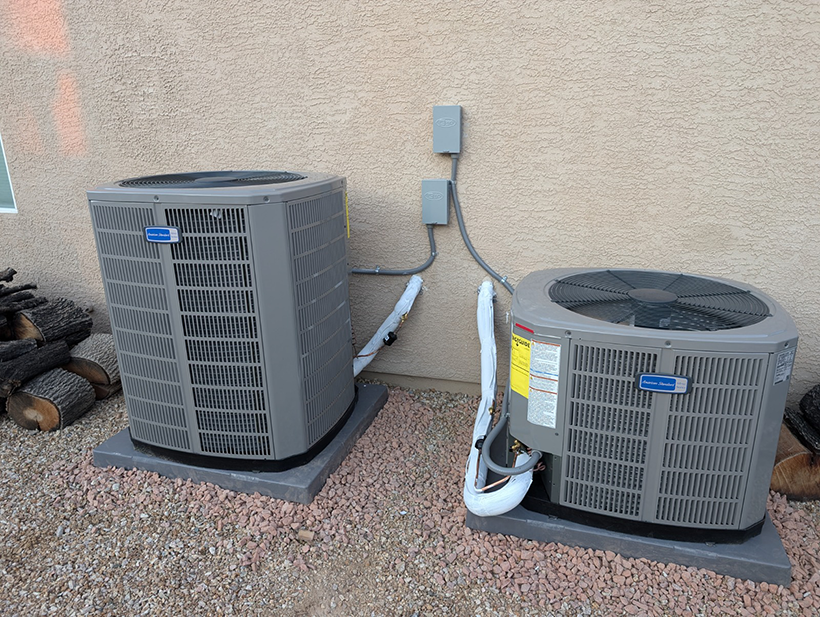
In Las Vegas and Henderson, air conditioning isn’t a convenience — it’s the system standing between a home and months of triple-digit heat. From roughly May through September, our HVAC units run harder and longer than they do almost anywhere else in the country. That workload makes routine maintenance non-negotiable, yet it’s one of the first things homeowners let slide. Here’s what’s really at stake when service gets skipped, and how to make sure the company you hire to handle it actually deserves the job.
 Why Desert Heat Is Uniquely Hard on HVAC Systems
A system in the Las Vegas valley doesn’t get the seasonal breaks that HVAC units get in milder climates. Compressors run near their limit for weeks at a stretch, fine desert dust and sand work their way into filters and coils far faster than in other regions, and there’s little off-season downtime for the system to simply rest and reset. All of that adds up to more wear, on a faster timeline, than most manufacturers assume when they design their maintenance schedules.
What Happens When You Skip Maintenance
Dirty coils and clogged filters force a system to work harder to produce the same amount of cooling, which shows up directly on the power bill. Left unaddressed long enough, small issues like a slow refrigerant leak or a worn component tend to go unnoticed until they cause a full breakdown — usually during the hottest week of the year, which is exactly when every HVAC company in town has the longest wait times. A unit that could have lasted fifteen to twenty years with regular care often needs full replacement in half that time out here. Skipping maintenance can also void the manufacturer’s warranty outright, since most require documented annual service to stay valid. And for households with young kids, older family members, or pets at home, a mid-August breakdown isn’t just an inconvenience — it’s a real safety concern.
 What Homeowners Can Do Between Service Visits
Professional tune-ups matter, but a lot of what keeps a system healthy in this climate is simple upkeep any homeowner can handle. A little consistency between visits goes a long way toward avoiding the bigger problems above.
- Change or check air filters every 30 to 60 days during peak cooling season — more often if you have pets, live near a construction site, or the valley’s been especially dusty and windy.
- Walk out to the outdoor condenser unit once a month and take a look: clear away leaves, dirt, pollen, and blown debris, and keep at least two feet of open space around it so it can breathe.
- Keep landscaping trimmed back from the unit and resist the urge to use that spot for patio furniture, trash cans, or storage — anything that blocks airflow makes the system work harder.
- Check that indoor vents and return grilles aren’t blocked by furniture, rugs, or curtains, so air can actually circulate the way the system was designed to.
- Periodically check the condensate drain line for clogs — algae and dust buildup are common in the desert, and a blocked line can lead to water damage indoors.
- Pay attention to warning signs between visits: unusual noises, weak airflow, warm air blowing when it should be cold, or an unexplained jump in the power bill. Any of those is worth a call before it turns into a breakdown.
- Book professional tune-ups twice a year, ideally in spring and fall, rather than waiting for something to go wrong to call someone.
Hiring Someone to Do It? Don’t Judge the Book by Its Billboard
When it’s time to bring in a professional, resist the pull of the biggest ad budget or the biggest fleet of trucks on the road. A flashy campaign or a huge logo on the side of a van says more about a company’s marketing spend than the quality of its actual work. What matters more: how long the company has genuinely been in business, its track record with local homeowners, and whether its license is currently in good standing. In Nevada, that means checking any contractor directly through the Nevada State Contractors Board before signing anything — its license search shows standing, complaint history, and how long a license has actually been active. A company that’s been serving Las Vegas and Henderson neighborhoods for a decade or more has a reputation on the line that a newer, louder competitor simply hasn’t had the time to earn.
Whether it’s a routine seasonal tune-up or choosing the right company to handle it, a little diligence now is what keeps a manageable maintenance visit from turning into an emergency replacement in the middle of July.
This is the same advice we pass along to every Premier Homes client — whether you’re buying your first home in a community like Desert Mesa at Aries, managing a rental through Premier Homes Property Management, or simply making sure your current home is ready for another Las Vegas summer. You don’t have to be in the middle of buying, selling, or renting to reach out: Premier Homes Real Estate and Premier Homes Property Management are always happy to help Las Vegas and Henderson homeowners think through questions like this one.