


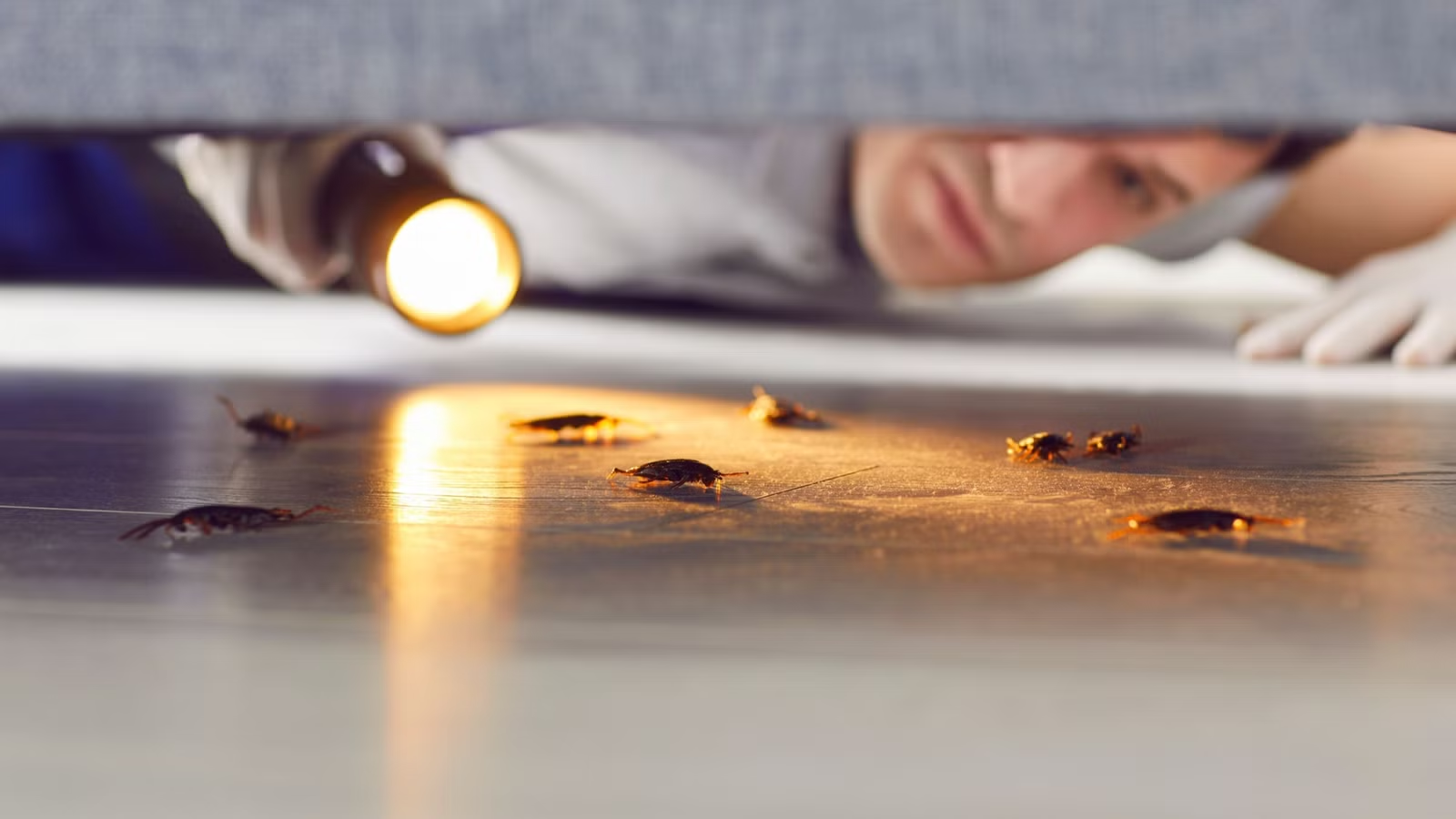
The Mojave looks empty, but plenty is living out there, and when summer heat hits triple digits, the sprinklers kick on, or the nights turn cold, a lot of it moves toward shade, water, and food. That usually means your house. The good news is that most desert pests can be managed without a heavy chemical arsenal. The honest news is that “natural” rarely means one magic spray. The most potent natural weapon a homeowner has is a combination of sealing, dryness, and cleanliness, with a few targeted tools to finish the job.
The Desert Pests Worth Knowing
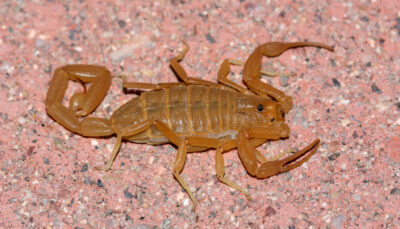 Bark scorpions. The one to take seriously. They are slender, pale tan to yellow, and roughly 2 to 3 inches long. They climb rough walls, hide in shoes, baseboards, and dark crevices, and glow under a UV flashlight, which makes a blacklight a handy nighttime identifier. Their sting is painful and can be dangerous for small children and older adults.
Black widows. Females are shiny black with a red-orange hourglass on the underside of the abdomen, and the body is about half an inch across. Look in garage corners, woodpiles, and under rocks, plants, and debris.
Roaches. Indoors, the usual culprit is the small German cockroach, which sticks to kitchens, pantries, and bathrooms. Outdoors, the Turkestan cockroach is the one you see: females are about an inch long, dark brown to black with cream-colored markings, and males are yellowish-tan with cream stripes. They live in irrigation boxes, wood piles, and drains, and while they wander inside looking for water, they do not set up housekeeping indoors.
Argentine ants. Small, brown, and relentless, they arrive in trails and come from colonies far larger than the few workers you see in your kitchen.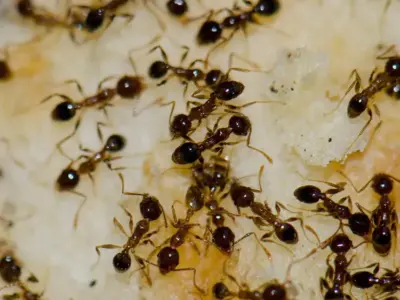
Silverfish, crickets, and pill bugs. Mostly harmless, but they are a signal. If you keep finding them, you likely have moisture or leaks nearby.
What Actually Works Naturally
Seal the house. Pest professionals call sealing gaps the single most effective deterrent, and that includes gaps as small as 1/16 of an inch. Caulk around pipes and windows, add door sweeps and weatherstripping, and repair torn screens.
Take away water and hiding places. Pull mulch back about 12 inches from the foundation, fix leaks, adjust irrigation so it is not soaking the walls, and stack firewood at least 8 inches off the ground and away from the house. Fewer insects means fewer scorpions and spiders looking for a meal.
Boric acid for roaches, ants, and silverfish. These pests pick it up and carry it back to the nest. According to this comparison of boric acid and diatomaceous earth, the trick is a thin, barely visible layer, because thick piles get avoided. Put it in cracks and behind appliances, and keep it away from kids and pets.
Food-grade diatomaceous earth. This fossilized powder scratches the waxy coating on crawling insects and dries them out. Use only food-grade, never pool-grade, apply it lightly in dry voids, and avoid breathing the dust. It loses its punch when damp, so it is not much help around irrigation boxes or after a monsoon storm.
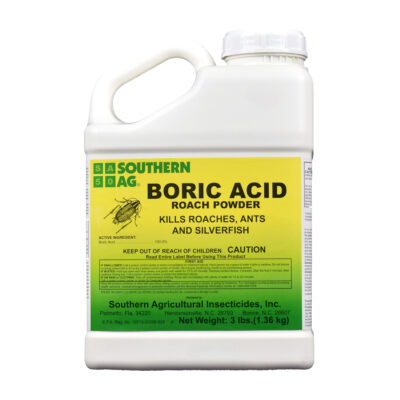 Baits, not sprays, for ants. UC researchers note that low-concentration boric acid baits (under 1 percent active ingredient) set outdoors near trails work best because workers carry the bait home. Expect weeks, not hours, and keep bait stations away from children and pets.
Light and traps. Swapping to yellow outdoor bulbs draws fewer insects, and sticky traps along baseboards help you find where pests are getting in.
What Does Not Work
Essential oils, vinegar, and spice barriers are popular online, but pest pros in the desert report that they evaporate or wash away quickly and lack evidence against bark scorpions. Diatomaceous earth and boric acid are also poor scorpion killers, since scorpions have a thick outer shell. For scorpions, the real answer is exclusion and cutting off the insects they eat.
Stay Safe Around Scorpions and Spiders
Wear closed-toe shoes outdoors, shake out shoes and clothing before putting them on, and use gloves when moving boards, pots, or firewood. If someone is stung by a scorpion or bitten by a black widow, especially a child or an older adult, call Poison Control at 1-800-222-1222 or seek emergency care.
Leaving Town? An Empty Home Invites Guests
Homes that sit vacant are a magnet for pests, especially when food is left in the kitchen and the yard goes unattended. Premier Homes offers a Lock-and-Leave service for any homeowner, covering things like clearing perishables, landscaping and pool care, security check-ins, and a grocery restock before you return.
When to Call a Professional
Natural methods are a strong foundation, but a large Argentine ant colony, repeated scorpions or black widows inside the home, or a true roach infestation is a job for a licensed pest control company. Use the natural steps above to keep the problem from coming back.
This is the same practical advice Premier Homes passes along to all of our clients, and we are always available to help, whether you are buying, selling, renting, or just have a question about your home. Reach out to Premier Homes Real Estate or Premier Homes Property Management anywhere in Las Vegas, Henderson, and the surrounding valley.