
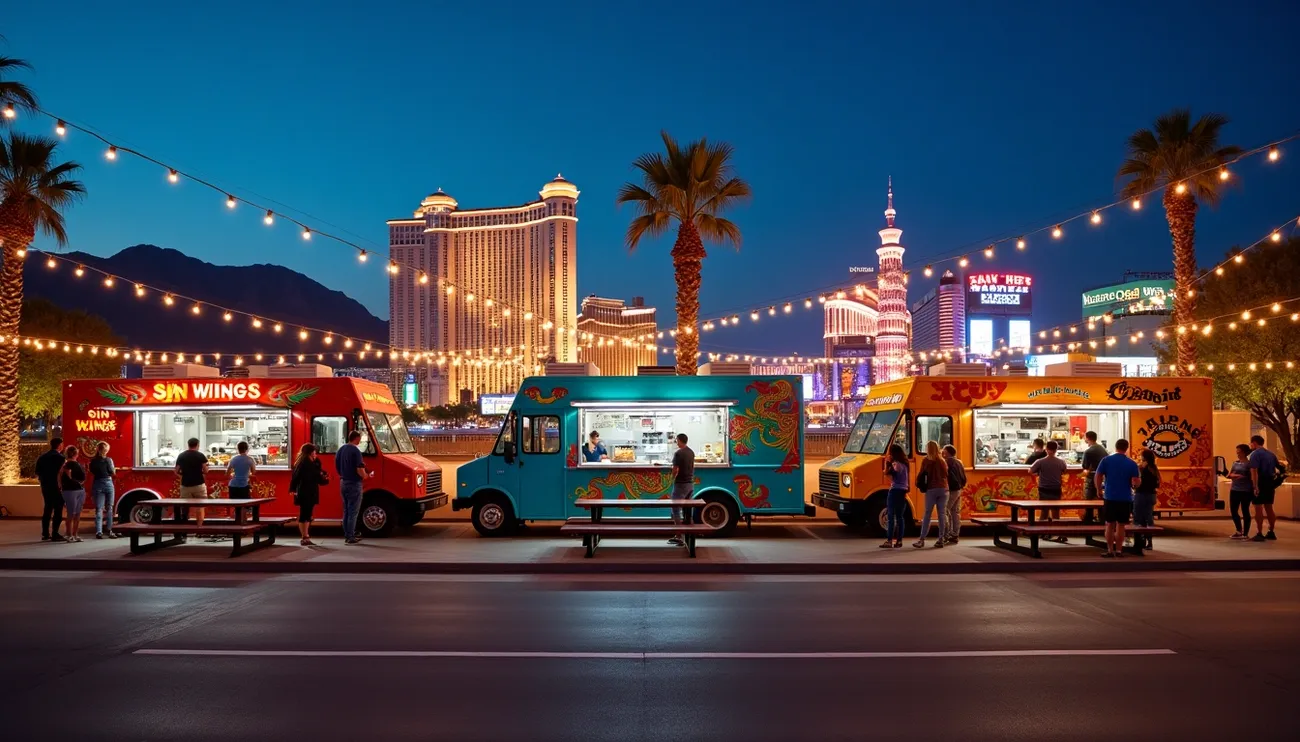
Southern Nevada’s food truck scene has never been stronger, and for a lot of operators the natural next step is a permanent address. But going from a truck to a restaurant isn’t just a matter of signing a lease — it changes what licenses you need, how quickly you can open, and how much of your investment comes back to you. It also opens up a revenue stream that a lot of former truck owners never consider: turning that same restaurant into a commissary base for other mobile vendors.
 Licensing Looks Different Once You’re Fixed in Place
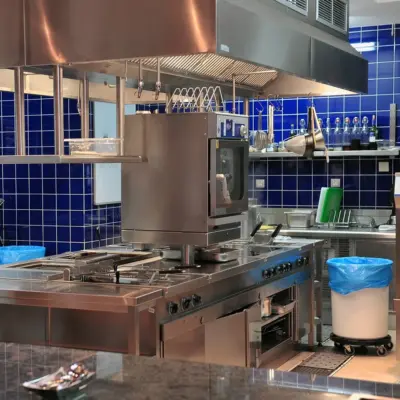
A truck operates under different rules than a stationary kitchen. Moving into a brick-and-mortar location in Clark County means a new business license from the county or the relevant city, plus a Southern Nevada Health District food establishment permit that requires plan review of the kitchen layout before construction even starts. That review, along with inspections and a certificate of occupancy, can take anywhere from a few weeks to a few months — timing that should shape the lease an owner signs, not follow it.
Zoning Decides More Than the Address
Not every commercial property is zoned for food service, and if there’s any chance an owner will want trucks parked on-site down the road, that needs to be checked before signing, since standard commercial parking lots often restrict use beyond customer parking. Finding this out after the lease is signed is an expensive lesson, and it’s one of the most common blind spots in this kind of transition.
The Commissary Opportunity
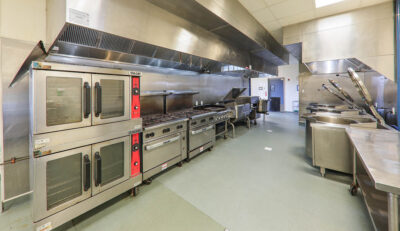
Every mobile food vendor in Nevada is required to operate out of an approved commissary — a licensed kitchen where they can prep, store food, dump wastewater, and refill water tanks. That’s a built-in customer base for any restaurant owner willing to open the kitchen during off-peak hours. The health permit needs to cover commissary use, and the space needs a dump station and vehicle access, but the physical lift is often smaller than people expect, since a working restaurant kitchen already has most of what’s required.
What That Side Income Actually Looks Like
Commissary arrangements in this market typically run $300 to $1,200 a month for shared kitchen access, or $15 to $45 an hour, with full-service packages that include parking and storage running
$1,000 to $3,000 a month. For a restaurant with dead hours mid-afternoon or overnight, that’s revenue on space that would otherwise sit empty.
Where Premier Business Brokerage Fits In
The hardest part of this transition usually isn’t the idea — it’s finding a location where the zoning, the lot size, and the lease terms all line up with both a working restaurant today and a commissary down the line. A Premier Business Brokerage specialist can evaluate a property against all of that before an owner signs anything, and can help negotiate lease terms that protect room to grow.
For food truck owners across Las Vegas and Henderson thinking about a permanent home, the location decision is the one that’s hardest to undo — which is exactly why it’s worth getting outside help before signing anything.
Ready to find a Las Vegas or Henderson location that can grow with your business — from restaurant to commissary and beyond? Reach out to Premier Business Brokerage today.