
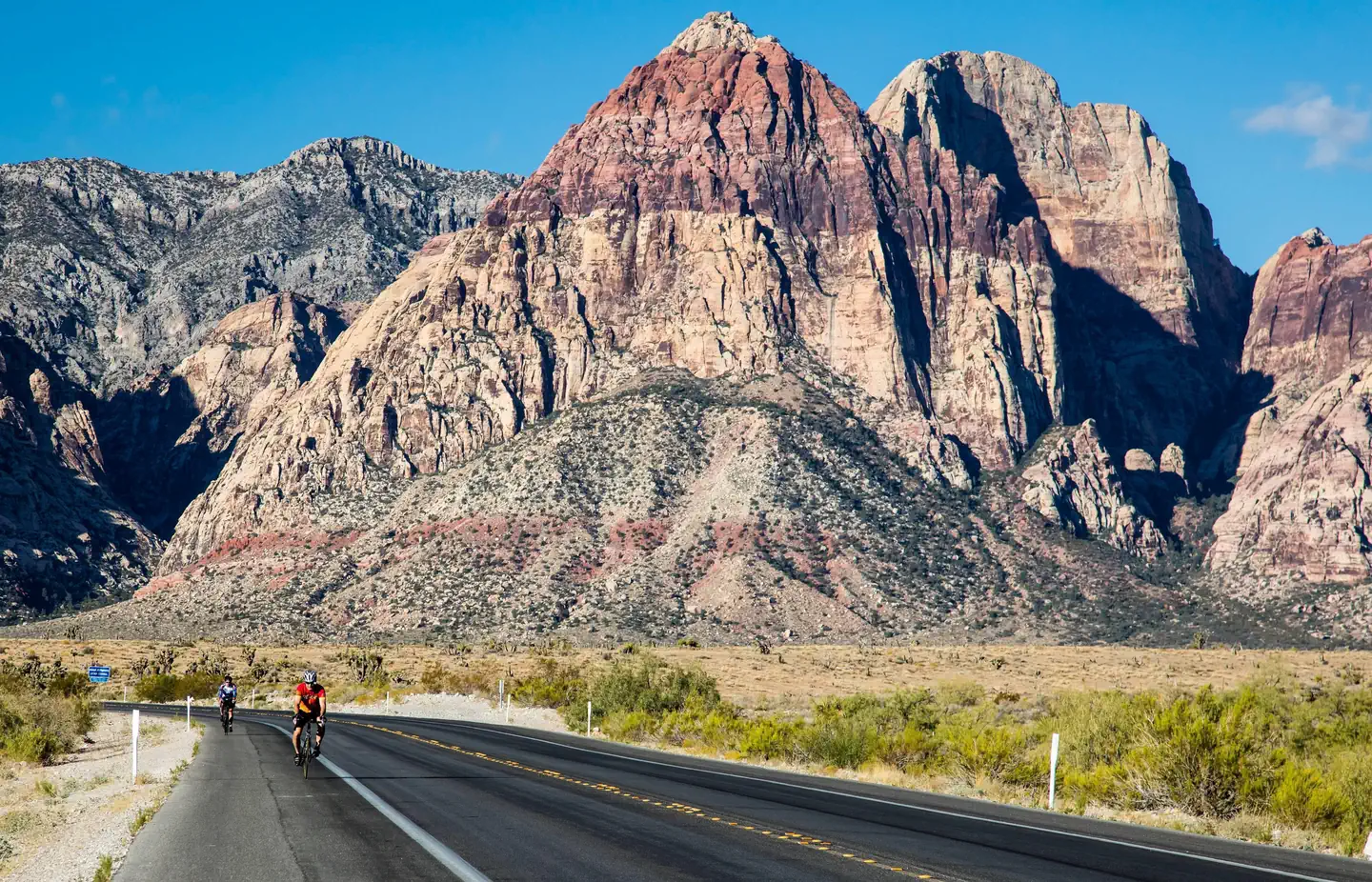
It’s Friday, which means it’s time for another Have You Seen? close-visit — our running series on the spots around Las Vegas and Henderson that are easy to drive past and hard to forget once you’ve actually stopped. This week we’re heading just west of the Strip to one of the valley’s true backyard wonders: the 13-mile Scenic Drive at Red Rock Canyon National Conservation Area. If you haven’t looped it yet — or haven’t been back since before the reservation system started — here’s what to expect.
 A Loop Built Around 180-Million-Year-Old Rock
The Scenic Drive is a one-way, 13-mile paved loop through the heart of the conservation area, about 17 miles west of the Strip via West Charleston Boulevard and State Route 159 — roughly a 30-minute drive from the resort corridor. Budget one to two hours if you plan to stop at the overlooks, longer if a hike pulls you off the road.
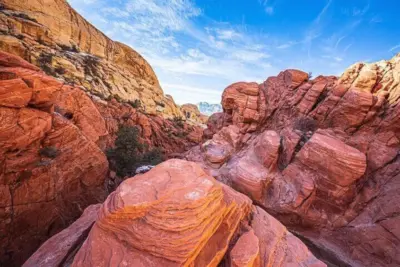
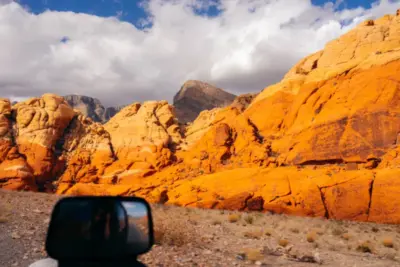
The draw is the geology as much as the drive itself. The red-and-tan banding across the cliffs comes from ancient sand dunes — Aztec sandstone, roughly 180 million years old — stained by iron oxide over time. Farther along the loop, the Keystone Thrust Fault puts older gray limestone directly on top of younger red sandstone, one of the more visible examples of a thrust fault anywhere in the country.
Where to Stop
A few stops worth the brakes, in order around the loop:
Calico Hills — the red-orange sandstone formations that show up on every postcard of the park, with trailhead access for scrambling.
Sandstone Quarry — the trailhead for Calico Tanks and Turtlehead Peak, and a look at blocks of stone still bearing tool marks from a quarry operation that ran from 1905 to 1912.
High Point Overlook — the highest stop on the drive, with views back across the Calico Hills.
Ice Box Canyon — a narrow, shaded canyon cutting into the Spring Mountains, noticeably cooler than the open desert around it.
Pine Creek Canyon — steep walls on both sides and one of the more dramatic overlooks on the back half of the loop.
 Get the Shot
If you only stop for one photo, make it Red Rock Overlook, the pull-off on SR-159 right where the loop rejoins the highway. It’s outside the fee area, so no reservation or entrance fee needed just to grab the shot, and it hands you the full sweep of the escarpment in one frame. Go late in the day if you can — the sandstone turns a much deeper red as the sun drops, which is why sunset is the busiest (and best) time there. Just mind the traffic pulling in and out.
Make It a Whole Outing
Save room to stretch the trip past the drive itself. Right at the loop’s exit in the village of Blue Diamond, Cottonwood Station is the only sit-down restaurant actually inside Red Rock Canyon, with an outdoor patio looking straight back at the cliffs you just drove past. It’s a casual American menu — burgers, paninis, salads, a full breakfast until 11am — and a good excuse to turn a two-hour loop into a half-day outing.
Know Before You Go
The Scenic Drive requires a timed-entry reservation for vehicles between 8am and 5pm, every day from October 1 through May 31 — including fee-free days. Reservations are booked through Recreation.gov or by calling (877) 444-6777. If you hold an annual or lifetime pass, you’ll still need the timed-entry reservation — just select your pass type at checkout so you aren’t charged twice. Arriving before 8am or after 5pm skips the reservation requirement entirely, and it’s a nice way to catch the light on the Calico Hills.
Current entrance fees run $20 per vehicle, $10 per motorcycle, $8 per bicycle, and $5 per pedestrian for a one-day pass; a Red Rock annual pass is $50. The Visitor Center is open 8am–4:30pm daily, and the Scenic Drive itself keeps seasonal hours — 6am–5pm November through February, 6am–7pm in March and October, and 6am–8pm April through September.
Why It’s Worth Knowing If You Live Nearby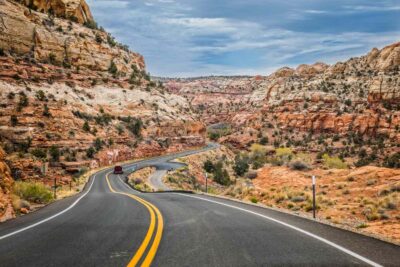
For clients we work with in Summerlin and across Southwest Las Vegas, Red Rock Canyon isn’t a once-a-year tourist stop — it’s the view out the back window and the trailhead five minutes from the driveway. That kind of proximity to open, protected land is genuinely rare this close to a major city, and it’s a detail worth weighing alongside schools, commute, and floor plan when you’re comparing neighborhoods on that side of the valley.
The Takeaway
Whether you’re planning a Saturday drive or thinking about what it would mean to live within sight of those cliffs every day, Red Rock Canyon is one of the best reasons the western valley keeps pulling people in.
Thinking about a move to Summerlin, Southwest Las Vegas, or anywhere else in the valley with Red Rock in view? Premier Homes Real Estate knows these neighborhoods block by block — reach out any time and we’ll help you find a home near the views you love, whether you’re buying, selling, or just starting to look around Las Vegas and Henderson.