


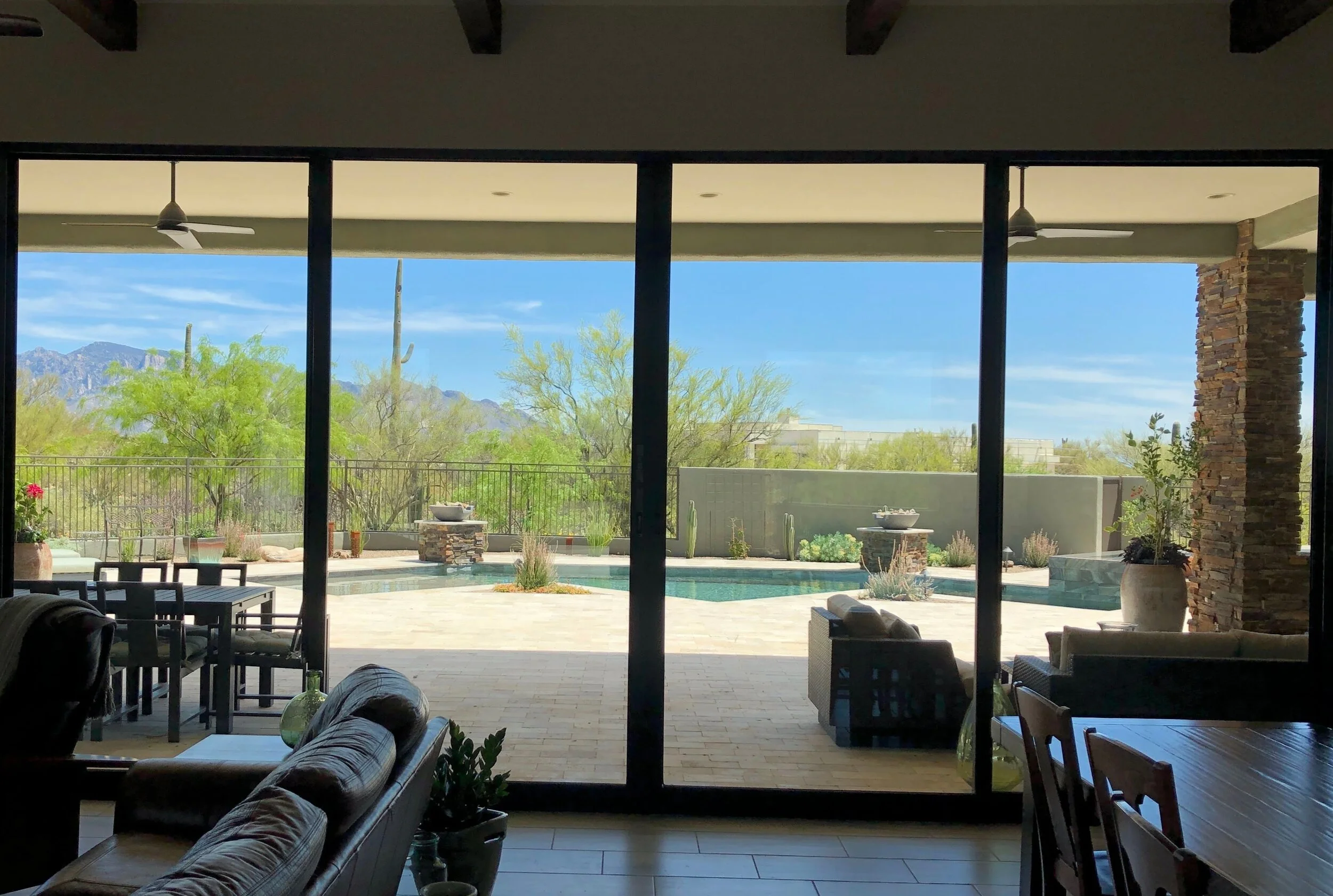
Even in the Las Vegas valley, where summer holds on longer than almost anywhere else in the country, fall still marks a real shift for homeowners. Once the water authority resets irrigation clocks and evening temperatures finally start dropping, a handful of systems around the house need attention before winter settles in. None of it takes a full weekend, but skipping it usually turns into a bigger repair bill in January. Here’s what we walk our own clients through every fall.
Give Your HVAC System a Breather (and a Checkup)
After months of running nearly nonstop, your air conditioner has earned some downtime, but before it clocks out for the season, it’s worth having a technician check refrigerant levels, clean the condenser coils, and inspect ductwork for leaks that quietly inflate winter heating bills. Replace the air filter now rather than waiting until you switch the system over to heat, and if your thermostat isn’t smart or programmable, fall is a good time to upgrade one — it pays for itself quickly once overnight lows start dropping into the 50s. NV Energy’s own seasonal tips page is a useful reference if you want to go deeper on efficiency.
 Reset Your Irrigation Clock
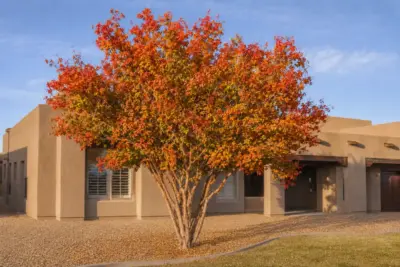
The Southern Nevada Water Authority shifts the valley to its fall watering schedule every September, cutting the number of days lawns and drip systems are permitted to run. If your controller isn’t updated to match, you’re either running afoul of the seasonal restrictions or, more likely, soaking landscaping that no longer needs as much water as temperatures cool. While you’re at the controller, walk the yard and check for broken emitters, clogged drip lines, or sprinkler heads that have drifted out of position — desert landscaping is forgiving, but a cracked line can waste water for months before anyone notices.
Check the Roof and Gutters After Monsoon Season
Summer’s monsoon storms are hard on a roof — wind-lifted tiles, debris packed into gutters and downspouts, and flashing around vents and chimneys that can work loose in the heat. A visual check from the ground, or a professional inspection if it’s been a few years, catches small problems before winter’s occasional rain finds its way inside. Clear out any accumulated leaves and debris from gutters and downspouts so water has somewhere to go the next time it actually rains.
Reseal Windows, Doors, and Stucco
Desert heat is brutal on caulking and weatherstripping — it dries out and cracks faster here than in milder climates. Run a hand around the window and door frames, feeling for drafts, and look over the exterior stucco for hairline cracks that tend to widen with every temperature swing. Resealing now keeps conditioned air where you’re paying for it, and keeps the valley’s occasional wind-driven dust out of the house.
 Wind Down the Pool for Cooler Months
If you’re not planning to heat your pool through the winter, fall is when to start reducing pump run time, balance the chemicals one more time, and give the filter a thorough cleaning before use drops off. Skim leaves and desert debris a little more often as landscaping sheds for the season, and if you have a pool cover, this is the week to get it out of storage.
Flush the Water Heater and Clear the Dryer Vent
Sediment builds up in a water heater tank over a full summer of heavy use, and flushing the tank now improves efficiency and extends the unit’s life. It’s also worth pulling the dryer vent clear of lint — a blocked vent is both a fire risk and the reason a dryer that used to take forty minutes now takes ninety. It is even worth using a long and thin vacuum attachment to grab as much lint as possible.
Test Smoke and Carbon Monoxide Detectors
Daylight saving time ends on November 1 this year, and it’s still the easiest reminder there is to replace detector batteries and press the test button on every unit in the house. If any detector is more than eight to ten years old, replace the unit itself — the sensors degrade even when the alarm still “works.”
None of this requires a contractor for every item, but a few of these — the HVAC tune-up, the roof check, the water heater flush — are worth having a professional confirm even when everything looks fine from the outside. Small issues found in October are inexpensive to fix; the same issues discovered in February usually aren’t.
This is the same fall maintenance walkthrough we give every Premier Homes client, whether you bought your home through us last month or a decade ago — reach out any time, not just when you’re buying or selling. Premier Homes Property Management can help coordinate inspections and trusted vendors for homes across Las Vegas, Henderson, and the surrounding valley.