



The Mojave looks empty, but plenty is living out there, and when summer heat hits triple digits, the sprinklers kick on, or the nights turn cold, a lot of it moves toward shade, water, and food. That usually means your house. The good news is that most desert pests can be managed without a heavy chemical arsenal. The honest news is that "natural" rarely means one magic spray. The most potent natural weapon a homeowner has is a combination of sealing, dryness, and cleanliness, with a few targeted tools to finish the job. The Desert Pests Worth Knowing Bark scorpions. The one to take seriously. They are slender, pale tan to yellow, and roughly 2 to 3 inches long. They climb rough walls, hide in shoes, baseboards, and dark crevices, and glow under a UV flashlight, which makes a blacklight a handy nighttime identifier. Their sting is painful and can be dangerous for small children and older adults. Black widows. Females are shiny black with a red-orange hourglass on the underside of the abdomen, and the body is about half an inch across. Look in garage corners, woodpiles, and under rocks, plants, and debris. Roaches. Indoors, the usual culprit is the small German cockroach, which sticks to kitchens, pantries, and bathrooms. Outdoors, the Turkestan cockroach is the one you see: females are about an inch long, dark brown to black with cream-colored markings, and males are yellowish-tan with cream stripes. They live in irrigation boxes, wood piles, and drains, and while they wander inside looking for water, they do not set up housekeeping indoors. Argentine ants. Small, brown, and relentless, they arrive in trails and come from colonies far larger than the few workers you see in your kitchen. Silverfish, crickets, and pill bugs. Mostly harmless, but they are a signal. If you keep finding them, you likely have moisture or leaks nearby. What Actually Works Naturally Seal the house. Pest professionals call sealing gaps the single most effective deterrent, and that includes gaps as small as 1/16 of an inch. Caulk around pipes and windows, add door sweeps and weatherstripping, and repair torn screens. Take away water and hiding places. Pull mulch back about 12 inches from the foundation, fix leaks, adjust irrigation so it is not soaking the walls, and stack firewood at least 8 inches off the ground and away from the house. Fewer insects means fewer scorpions and spiders looking for a meal. Boric acid for roaches, ants, and silverfish. These pests pick it up and carry it back to the nest. According to this comparison of boric acid and diatomaceous earth, the trick is a thin, barely visible layer, because thick piles get avoided. Put it in cracks and behind appliances, and keep it away from kids and pets. Food-grade diatomaceous earth. This fossilized powder scratches the waxy coating on crawling insects and dries them out. Use only food-grade, never pool-grade, apply it lightly in dry voids, and avoid breathing the dust. It loses its punch when damp, so it is not much help around irrigation boxes or after a monsoon storm. Baits, not sprays, for ants. UC researchers note that low-concentration boric acid baits (under 1 percent active ingredient) set outdoors near trails work best because workers carry the bait home. Expect weeks, not hours, and keep bait stations away from children and pets. Light and traps. Swapping to yellow outdoor bulbs draws fewer insects, and sticky traps along baseboards help you find where pests are getting in. What Does Not Work Essential oils, vinegar, and spice barriers are popular online, but pest pros in the desert report that they evaporate or wash away quickly and lack evidence against bark scorpions. Diatomaceous earth and boric acid are also poor scorpion killers, since scorpions have a thick outer shell. For scorpions, the real answer is exclusion and cutting off the insects they eat. Stay Safe Around Scorpions and Spiders Wear closed-toe shoes outdoors, shake out shoes and clothing before putting them on, and use gloves when moving boards, pots, or firewood. If someone is stung by a scorpion or bitten by a black widow, especially a child or an older adult, call Poison Control at 1-800-222-1222 or seek emergency care. Leaving Town? An Empty Home Invites Guests Homes that sit vacant are a magnet for pests, especially when food is left in the kitchen and the yard goes unattended. Premier Homes offers a Lock-and-Leave service for any homeowner, covering things like clearing perishables, landscaping and pool care, security check-ins, and a grocery restock before you return. When to Call a Professional Natural methods are a strong foundation, but a large Argentine ant colony, repeated scorpions or black widows inside the home, or a true roach infestation is a job for a licensed pest control company. Use the natural steps above to keep the problem from coming back. This is the same practical advice Premier Homes passes along to all of our clients, and we are always available to help, whether you are buying, selling, renting, or just have a question about your home. Reach out to Premier Homes Real Estate or Premier Homes Property Management anywhere in Las Vegas, Henderson, and the surrounding valley.
Read more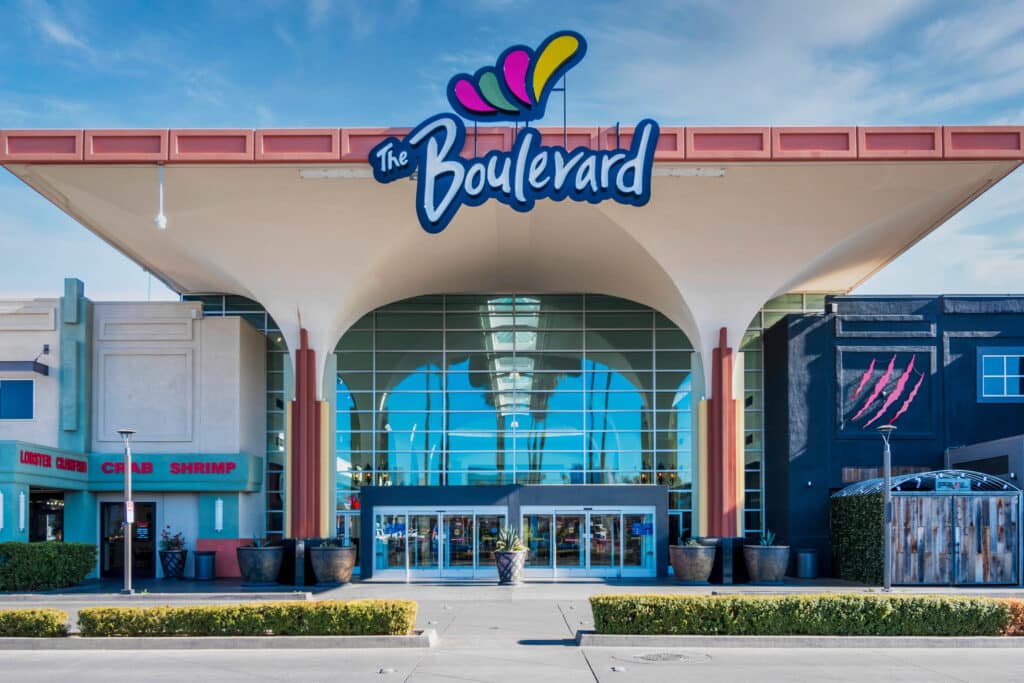
When people talk about the future of the American mall, they usually point to glossy luxury centers. Some of the most interesting reinventions in the Las Vegas valley are happening somewhere far less polished and far more personal: The Boulevard Mall on South Maryland Parkway. When its department store anchors left, the mall filled that space with something different, inviting in a very different mix of tenants, including a Latin marketplace, family entertainment, a public middle school, and a Filipino American museum at the heart of Clark County’s Filipino Town cultural district. For anyone in Las Vegas or Henderson who owns a business, wants to buy one, or is thinking about where to open one, the Boulevard is a case study worth a closer look. Losing the anchors and choosing a different path Like malls across the country, the Boulevard lost its traditional anchors. Macy’s and JCPenney both left, which for many properties is the beginning of the end. Ownership took a different approach and started filling that space with tenants that a typical mall would never consider. Coverage of the mall’s shift described a move away from conventional retail toward unusual tenants, including call centers, an aquarium, a mini-golf complex, and an entertainment complex called HeadzUP. Over the years, the redevelopment also brought in one of the valley’s largest Goodwill stores, a health insurance office, and a luxury movie theater with one of the largest screens in the valley. The bet behind all of it appears to be that people will keep coming out for experiences and everyday services that they cannot get by clicking a button. Family entertainment as a strategy The mall’s general manager has been clear that family entertainment is the direction, and the tenants reflect it. HeadzUP, for example, combines a room of 3D trick-art murals built for photos, themed escape rooms with live actors, and archery tag played with rubber arrows, and it took over a former department store space with shelving repurposed from the old JCPenney. Attractions like these give a family a reason to spend an afternoon, which in turn feeds the food court and the neighboring shops. El Mercado: a marketplace built on culture The boldest move came in the old JCPenney space. El Mercado is a Latin American-themed marketplace with roughly 190 storefronts, a food court, festive decorations, and music playing throughout. The concept came from the mall’s general manager, who was inspired by similar markets he saw in other states, and it opened in phases beginning in 2020. Walk the aisles, and you will find handcrafted silver jewelry, custom apparel, quinceañera and wedding dresses, and even mariachi instruments and suits. The food court serves everything from tacos and tamales to churros and Mexican ice cream. Just as important, the vendors are largely local small business owners rather than national chains, which is exactly why the marketplace feels so different from the typical mall. El Mercado also works hard at being a gathering place, not just a place to shop. The marketplace has a large stage and weekend live music, and its past events gallery shows a calendar built around community moments: Día de Muertos, Three Kings Day, Christmas, a back-to-school fair, and Grandparents Day. It has also hosted a free Hispanic Heritage Month celebration. That kind of programming is what turns customers into regulars, and regulars are what small businesses live on. The mall describes the marketplace as a place for artisan goods and traditional foods from every region of the world, and that welcoming approach is part of the story of who else has made the Boulevard a home. Filipino Town and the Filipino American Museum That story includes one of the valley’s largest communities. In April 2025, the Clark County Commission unanimously approved Filipino Town, a 1.2-mile cultural district along Maryland Parkway between Flamingo and Desert Inn roads, the county’s second official cultural district after Little Ethiopia. Its anchors include Seafood City Supermarket, with familiar names like Jollibee and Red Ribbon Bakeshop, and the Boulevard Mall itself, where roughly 15% of tenants are Filipino-owned and which has served as a community hub for decades. The district’s sign was dedicated at the mall in October 2025 before a crowd of more than 2,000. The timing reflects a real shift: Nevada’s Filipino population reached about 208,000 in 2024, up roughly 300% since 2000, making it the state’s largest Asian ethnic group, according to the same reporting. The newest piece is a museum inside the mall. The Filipino American Museum held a soft opening in February 2026 and opened to the public in June, in space that Boulevard Mall donated. It is led by community leader Rozita Lee and executive director and curator David Tupaz. The opening exhibit focuses on the Ifugao, an indigenous mountain people of the Philippines, with weaving, woodcarving, and artifacts from the Banaue Rice Terraces, alongside pieces from Tupaz’s family collection. Exhibits span the islands’ history, from tribal traditions and trade with China through Spanish colonization and the American territorial period. Lee said she had always felt a museum is important in any community, and there had never been one, while Tupaz has said its greatest value is for the Filipino Americans who were born here, helping younger generations connect with their heritage. The museum has been open on weekends, so check current hours before you visit. Filipino Town is also about businesses. Along the corridor you will find Istorya, a pop-up restaurant that has paired Filipino dining with cultural storytelling, and a dance studio, District Arts, alongside the supermarket and bakery anchors. The lesson for the Boulevard is that culture and commerce reinforce each other: a museum gives people a reason to come, and the shops, restaurants, and services around it give them reasons to stay and return. A public middle school inside the mall Perhaps the most surprising addition is a school. The former Macy’s space now houses the Western Youth Leadership, Engagement, and Empowerment Middle School, known as WYLEES, a free public charter school for grades six through eight that opened in August 2025. The school’s founder chose the location to serve students from nearby elementary schools, and the mall’s identity as both a shopping destination and a community hub, with El Mercado’s arts, crafts, and traditional foods, fit the school’s focus on community engagement. The school also serves English language learners. As it opened its second school year in 2026, the school reported that about 90% of its first-year families returned and that enrollment had grown by roughly half. A school also puts families on the property every weekday, not just on weekends. What business owners can learn from the Boulevard to revitalize another mall There are a few lessons here that apply well beyond one mall. First, a strong identity beats a generic one. El Mercado and the Filipino American Museum both work because they are unmistakably tied to the cultures of the people who shop and gather there, and the vendors and organizers are part of those communities. Second, variety protects a property. A mix of entertainment, services, education, culture, food, and retail means the whole center does not rise or fall with one type of shopper. Third, the best locations give a business a built-in reason for customers to show up repeatedly, whether that is a school day, a museum weekend, or a community celebration. Fourth, a cultural district designation is a strong signal of community identity and pride, but it is not a guarantee of sales, so every business plan still needs to stand on its own numbers. If you are looking at space in a nontraditional setting, ask what actually brings people through the door each day, how stable the anchor tenants and programming are, and what the lease says about your term, costs, and renewal options. Where Premier Business Brokers fits Premier Business Brokers specializes in business sales and leasing, including retail and hospitality concepts, so this is exactly the kind of decision where local guidance pays off. If you are thinking about opening a food concept, a boutique, a service business, or a family entertainment venue, we can help you evaluate whether a marketplace, a traditional center, or a stand-alone space fits your concept and your budget. If you have your eye on a space along Maryland Parkway or another culturally rich corridor of the valley, we can help you think through who your customers really are and what the lease should say before you commit. If you are buying an existing business, we can help you understand what it is worth and what happens to the lease and the customer relationships after the sale. If you already own a business with a loyal following, we can help you understand what a buyer may see in it. And if you are a property owner trying to decide how to fill space that traditional tenants have left, the Boulevard is proof that creative, community-driven tenants can work. The Boulevard Mall’s story is a reminder that a comeback does not always look like what came before. Sometimes it means listening to the neighborhood, welcoming local entrepreneurs, and building a place where people gather. The three Premier Homes departments meet regularly to discuss market conditions, so when you ask us about a lease, a business, or a corridor of the valley, you get the whole team’s perspective rather than one person’s. Thinking about buying, selling, or leasing space for a business in Las Vegas, Henderson, or the surrounding valley? Contact Premier Homes and ask for Premier Business Brokers. The questions above are the same ones we walk every client through, and we are always available to help, whether you are ready to move now or just starting to explore your options.
Read more
Las Vegas is known for slot machines and buffets, but some of the most memorable cultural stops in the valley don't ask for a ticket, a hotel key, or a reservation. This weekend, you can see two of them in a single easy walk: the Bellagio Conservatory's new fall display and the digital art wrapped around the Cosmopolitan's lobby. Both are open to anyone, and both are free. Start with the Bellagio Conservatory The Bellagio Conservatory & Botanical Gardens covers roughly 14,000 square feet and is tended by about 120 gardeners. The display changes five times a year (Lunar New Year, spring, summer, fall, and the holidays), and each changeover takes about six days, so the garden goes dark between shows. The summer "Paradise" display, with its 22-foot tiger and more than 20,000 plants, closed on September 12. The fall display is scheduled to open September 19 and run into early November. Those dates come from a travel guide, so confirm before you go. Entry is free, and the garden is open around the clock whenever a display is up. Did You Know? Conservatory Tidbits Design planning starts up to a year ahead, and the garden holds 800 to 1,000 varieties of plants at any given time, chosen to fit each show's design. Around 100 team members work around the clock for nearly a week on each installation. Because every piece has to travel on public roads, large props are built in sections that meet traffic regulations. A separate off-property warehouse stores thousands of props. The living plants stay on site, and after each show the team reuses, recycles, or composts what it can. One profile describes a 27,000-square-foot greenhouse behind the resort where plants wait before they go on display, and hydraulic cranes under the conservatory floor that raise and lower the beds like a theater stage. By 2018, the conservatory had welcomed about 150 million visitors and used roughly six million plants across 100 displays. While You're at Bellagio Step into the lobby and look up. Dale Chihuly's Fiori di Como ceiling is made of more than 2,100 pieces of colored glass and measures about 65 by 29 feet. Bellagio opened on October 15, 1998, at a then-record $1.6 billion, and the name has a story. Designer Jon Jerde vacationed at Lake Como and talked Steve Wynn into visiting the Italian village of Bellagio. After half a day there, Wynn reportedly scrapped ten months of designs for a different concept and started over with an Italian theme. The Fountains of Bellagio are also free. They run every half hour from the afternoon until midnight (check current times), with 1,214 nozzles, 4,792 lights, and water that can reach 460 feet. The lake holds about 22 million gallons, and "Time to Say Goodbye" is reportedly the most popular song in the show. Walk Next Door to the Cosmopolitan The Cosmopolitan opened on December 15, 2010, and at a reported $3.9 billion, it was the most expensive Strip casino built up to that time. Its lobby was designed by Rockwell Group, and the digital art is the first thing many visitors notice: eight columns, roughly 15 to 16 feet tall, covered in more than 350 displays and about 265 million pixels. The piece created for them, called Opulence, imagines an underwater world. More than 60 people worked on it, including dancers and a synchronized swimmer filmed by an underwater cinematography team, and the concept was meant to echo the "pleasure of discovery" under the surface. The same content also plays on the 75-foot registration display and the rooftop Beacon. Programming can change, so what you see may differ. Did You Know? Cosmopolitan Tidbits The resort says nothing is roped off, so you can get close to the art. It also has six Art-o-mat machines, old cigarette vending machines converted to dispense small original artworks. A chatbot named Rose offers text-message art tours 24/7, so you can explore at your own pace. The three-story Chandelier lounge hangs about two million crystals from the ceiling. The parking garage carries graffiti-style work by street artists, including Shepard Fairey and Kenny Scharf. The property sits on only 8.5 acres, which is why the building goes up instead of out. Where to Eat: Secret Pizza Secret Pizza is on the Cosmopolitan's third floor, between The Corner Store and Jaleo, and it has no sign. Look for the hallway lined with records. From the Strip entrance, head to the Chandelier Bar and take the escalators up two levels. It's a small, casual New York-style slice counter that opens at 11 a.m., and one guide lists late-night hours as well. Guides differ on price, with a cheese slice listed anywhere from about $6 to $8, so check when you go. If you'd like a sit-down option, Ghost Donkey is a speakeasy-style Mexican spot one floor below, through a door marked with a small donkey. Where to Get the Best Selfie At the conservatory, stand at a corner of the atrium with your back to the tallest centerpiece. Switch to your phone's ultra-wide (0.5x) lens and hold the phone a little low so the whole display fits behind you. Early morning is the quietest. At the Cosmopolitan, face the lobby columns. The screens supply their own lighting, so the colors change from shot to shot, and a few extra frames will get you one you like. If you're near Bellagio's lake at dusk, the fountains make a good third backdrop. And the record-lined hallway outside Secret Pizza is a fun last photo. Las Vegas Has More Culture Than You Think Las Vegas has more cultural offerings than its reputation suggests, and much of it is open to everyone. The conservatory, the fountains, and the Cosmopolitan lobby are all free to walk up to. Others charge admission but are worth the ticket. The Bellagio Gallery of Fine Art opened with the resort in 1998, and a 2004 Monet exhibition ran 16 months and drew about 450,000 visitors. Its most recent exhibition ended September 13, so check what's on next before you plan around it. Farther afield, The Mob Museum opened in 2012 inside a 1933 federal courthouse that the federal government transferred to the city for $1, on the condition that it be restored. Its second-floor courtroom hosted the 1950 to 1951 Kefauver Committee organized-crime hearings, and it now has a working speakeasy in the basement. The Springs Preserve is a 180-acre nature and culture center built around the original water source for Las Vegas, with desert gardens, trails, and a state museum. For quick, low-cost stops, the Flamingo Wildlife Habitat and the Pinball Hall of Fame are worth adding to your list, too. Locals sometimes overlook these places because they're always there, but that's the point of living in a city with this much going on. Whether you call Las Vegas, Henderson, or another part of the valley home, these are weekend outings within a short drive. Bring the family, a visiting friend, or just yourself and a camera. Thinking about making Las Vegas, Henderson, or the surrounding valley your home base? Contact Premier Homes Real Estate to talk with our team about finding a neighborhood that fits the way you spend your weekends.
Read more
Investors shopping for rental property in Las Vegas and Henderson keep running into the same three letters: DSCR. Debt Service Coverage Ratio loans have become one of the most popular ways to finance an investment property, largely because they qualify the deal on the property's own numbers instead of the buyer's personal income. Here's what a DSCR loan actually is, how it compares to a conventional investment property loan, and a few other financing paths worth knowing before you write an offer. What Is a DSCR Loan? A DSCR loan is a type of investor-focused mortgage, secured by the rental property itself rather than the borrower's paycheck. Instead of pulling W-2s, pay stubs, and two years of tax returns, the lender looks at whether the property's rental income can cover its own debt payments. That makes DSCR loans especially useful for self-employed investors, buyers with complex or non-traditional income, and anyone building a rental portfolio faster than a personal debt-to-income ratio would otherwise allow. How the Math Works The ratio itself is simple: DSCR equals the property's net operating income divided by its total debt service (principal, interest, taxes, insurance, and any HOA dues). A DSCR of 1.0 means the rent exactly covers the mortgage payment; above 1.0 means there's a cushion; below 1.0 means the property doesn't fully pay for itself on paper. Most lenders currently want to see a minimum DSCR of 1.10 to 1.25, a credit score of roughly 680 or higher, a 20 to 25 percent down payment, and enough reserves to cover several months of payments. Because the underwriting is property-driven, an accurate rent estimate matters as much as the purchase price, which is exactly the kind of market rent data our Premier Homes Property Management team pulls together for investor clients before they ever apply for financing. DSCR Loans vs. Conventional Investment Property Financing A conventional investment property loan runs through the opposite process: the lender underwrites the borrower, not just the property, which means full income documentation and a debt-to-income calculation that includes every mortgage already on the buyer's credit report. In exchange, conventional financing usually comes with a lower interest rate and, on a single-family rental with strong personal credit, a smaller down payment than most DSCR programs require. The catch is that Fannie Mae and Freddie Mac cap how many financed properties a single borrower can carry, and the paperwork takes longer to assemble. DSCR loans flip those trade-offs. They typically close faster, can close in an LLC or corporation for liability protection, and don't impose a hard cap on the number of properties an investor can finance — but they usually carry a higher rate, a larger down payment, and in many cases a prepayment penalty if the property is sold or refinanced within the first few years, so it's worth reading that fine print before signing. In short, conventional financing tends to win on cost for investors with clean, verifiable income and a smaller portfolio; DSCR loans tend to win on speed and scalability for investors who are growing quickly or whose income doesn't fit neatly into a W-2 box. Financing New Construction as a Rental Both DSCR and conventional financing work for new-construction purchases, and new builds in communities like Desert Mesa at Aries, Lake Las Vegas, and Union Village often command rents strong enough to help clear a lender's DSCR minimum. One thing every investor needs to know before setting foot on a builder's lot: you must bring your Premier Homes Real Estate agent with you on your very first visit to a builder's sales office or model home. New home builders do not allow representation to be added after that first visit — if your agent isn't registered with the builder on day one, you lose that representation for the entire transaction. This matters just as much for investment purchases as it does for a primary residence. Other Ways to Finance an Investment Property DSCR and conventional loans cover most long-term rental purchases, but they're not the only tools available. A few others worth knowing about: hard money and bridge loans are fast, short-term, asset-based financing that can close in days rather than weeks — useful for a distressed property, an auction purchase, or any deal that won't wait on a full underwriting file, though rates run well above long-term financing. Fix-and-flip loans fund both the purchase and the renovation budget through staged draws, which preserves cash for investors doing value-add projects. Portfolio loans let an investor bundle several properties under one loan with one lender, which can simplify things once a portfolio reaches five or more doors. A HELOC or cash-out refinance on a property an investor already owns is a common way to fund the down payment on the next purchase. And for larger multifamily or mixed-use buildings, small-balance commercial loans step in where standard residential financing stops. There's no single "best" way to finance an investment property — the right fit depends on the buyer's income documentation, how many properties they already carry, how fast the deal needs to close, and how the numbers pencil out on that specific address. That's the same conversation we walk through with every investor client, not just the ones actively under contract. Whether you're weighing a DSCR loan against conventional financing or want a second opinion on a deal you're already evaluating, Premier Homes Real Estate and Premier Homes Property Management work side by side with investors across Las Vegas, Henderson, and the surrounding valley — from sourcing the property and connecting you with lenders to projecting the rental income a deal will actually need. This is the same guidance we give every client who asks, and our door is open any time, whether you're actively buying or just running the numbers.
Read more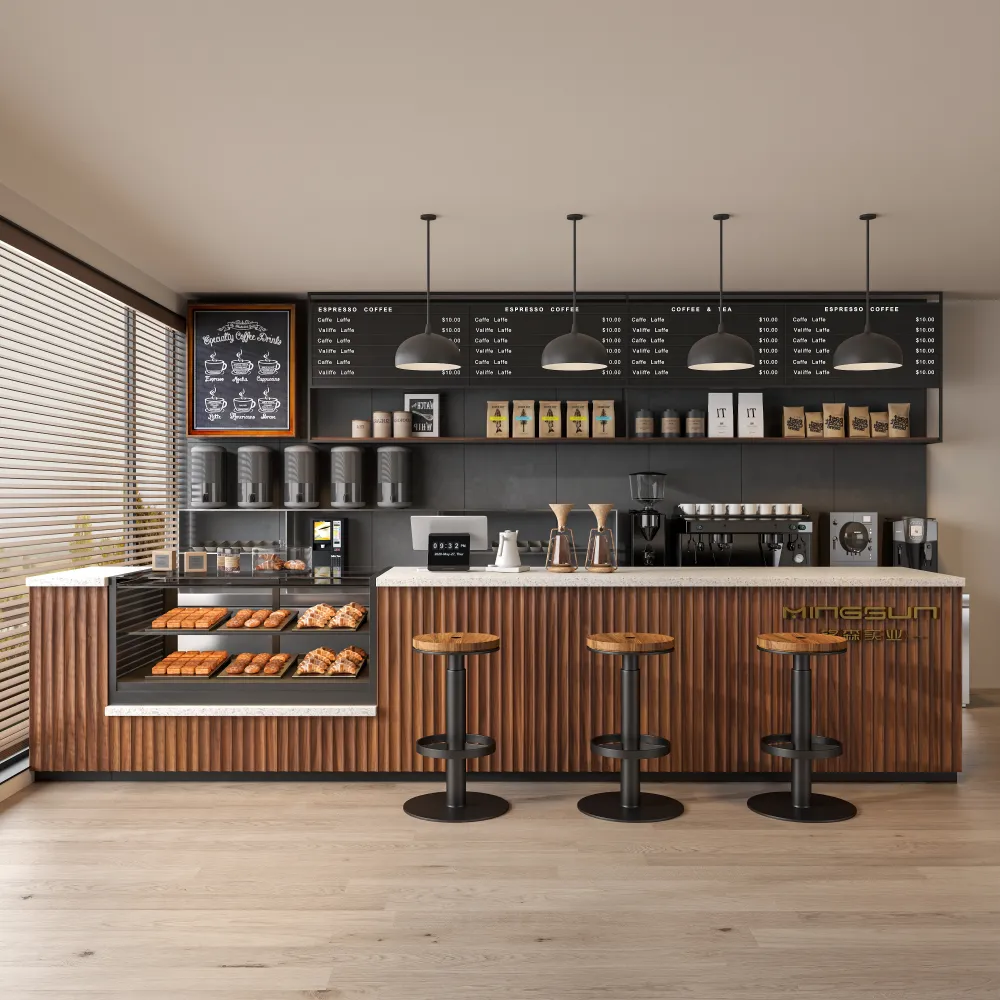
“Las Vegas” is doing a lot of work in that headline. Ask ten people where the coffee shop they love is located, and you’ll hear Las Vegas, Henderson, North Las Vegas, and “somewhere off the 215” in unincorporated Clark County — often for shops within a few miles of each other. Locally, we treat the whole valley as one market. City Hall and the County Government Center don’t. Each of those four jurisdictions runs its own business licensing process and zoning review, even though every one of them shares the same health department. If you’re thinking about opening — or buying — a coffee shop anywhere in the valley, the address on the lease determines which rulebook you’re working from. This post walks through what’s common valley-wide, what’s different city by city, and the other ways a coffee shop can make money beyond the counter, as part of our ongoing Premier Homes Business Brokerage spotlight series on small businesses worth starting or buying here. The Steps Every Coffee Shop in the Valley Shares No matter which of the four jurisdictions your address falls in, a few requirements apply valley-wide because they come from the state or from a single regional agency: State business license. Nevada law (NRS 76) requires every business operating in the state to register for a Nevada State Business License and Taxation ID, handled through the state’s SilverFlume portal. Sales tax permit. A separate registration with the Nevada Department of Taxation is required before you sell a single cup of coffee. Trade name filing. If your shop operates under anything other than your own legal name, you’ll file a Fictitious Firm Name (DBA) with the Clark County Clerk’s office — the owner's name on that certificate has to match your state license exactly. Health permit and plan review. The Southern Nevada Health District covers Las Vegas, Henderson, North Las Vegas, and unincorporated Clark County alike, so this is the one step that doesn’t change based on address. New food establishments submit plans through the Health District’s EH Portal before build-out begins. In North Las Vegas, the city won’t issue a business license until the health permit is already in hand — it’s worth assuming the other jurisdictions expect the same order of operations, and sequencing your applications that way. Food Handler Safety Training Cards. Everyone behind the counter — not just the owner — needs a Health District-issued Food Handler Safety Training Card, currently $25 and valid for three years. Build the testing appointment into your hiring timeline, not opening week. City of Las Vegas The city lays out a five-step path: confirm your address actually falls inside city limits (not the county, and not one of the other two cities — a “Las Vegas” mailing address on a lease often doesn’t), confirm zoning allows food service and that the space carries the right Certificate of Occupancy through Building & Safety, register for the state license and Taxation ID, file your fictitious name and EIN, and then submit the city license application online. The city flags that locations with 50 or more occupants face stricter building and fire code review — worth knowing if you’re picturing real seating rather than a grab-and-go counter. Licenses are typically issued within 30 days, often sooner, once the file is complete. Start with the city’s Apply for a Business License page, or call Planning at (702) 229-1840 with site-specific zoning questions before signing a lease. City of North Las Vegas North Las Vegas requires the health permit to be approved before the city will issue a business license, so plan the sequence accordingly. Zoning Verification through Planning and Zoning at (702) 633-1537 confirms the address allows food service before you commit to anything. Standard license applications go through the city’s online portal, and you’ll attach proof of Nevada Department of Taxation compliance along with the health district approval. Each location needs its own license — a second shop elsewhere in the city means a second application from scratch. See the city’s Business License FAQs and Planning and Zoning pages, or check application status with the Business License Division at (702) 633-1520. City of Henderson Henderson’s licensing runs through the Business Licensing Department within Finance, governed by Henderson Municipal Code Title 4, with permits for the physical build-out handled separately through the city’s Development Services Center. Henderson doesn’t publish one consolidated coffee-shop checklist online the way the county does, so the practical move is a pre-application conversation with both offices before you commit to a location — confirm the zoning allows food service at that specific address, and get the current fee schedule and forms directly rather than assuming they match a different business type’s posted requirements. Start with the city’s Business Licensing page to find current contacts and forms. Unincorporated Clark County If your space falls outside all three cities, you’re dealing with the County directly, and it’s the most document-heavy of the four processes. Start with the Comprehensive Planning Department at (702) 455-4314 to confirm both that the address is actually unincorporated county land and that food service is permitted in that zoning district. State and tax registration proceed the same as anywhere else in the valley, but the County’s Regulated Business License application adds its own paperwork: a notarized Personal History form, two notarized LVMPD Authorization to Release Information forms for every owner with 10% or more of the business, and a Business Supplemental Questionnaire, all submitted by appointment. The application then routes through Comprehensive Planning (about five business days), Fire Prevention, and the Health District. The County can issue a temporary license so you can open while the full financial suitability investigation runs in the background — that background process alone typically takes six to eight weeks, sometimes longer, so build it into your opening timeline rather than your opening week. The county’s Regulated Business License guide walks through the full checklist. Don’t Forget the Space Itself Licensing is only half the equation — the space has to physically support a food business. Plan on a tenant-improvement building permit and a final Certificate of Occupancy inspection, a Fire Prevention sign-off that typically means a hood suppression system over any espresso or cooking equipment, and a grease interceptor tied into the plumbing, ADA-compliant restrooms and counter heights, and a separate sign permit for anything you put on the building. If a drive-thru or walk-up window is part of the plan, budget extra time: a drive-thru is commonly treated as a conditional use requiring its own public hearing under valley zoning codes, and approval isn’t guaranteed just because the building next door has one. Confirm conditional-use feasibility with the local planning department before signing a lease that assumes it, not after. This is exactly the due diligence work our Premier Homes Business Brokerage team walks new coffee shop owners through during site selection — whether you’re building from scratch or buying an existing shop’s lease and equipment. Other Ways a Coffee Shop Makes Money Counter sales get a shop open, but the operators who turn a coffee shop into a business that’s still around — and worth something — in five years are usually running two or three of these alongside it: Retail bags of beans and brewing gear right at the register. Retail bean sales typically run 50–60% gross margin, better than drinks once rent and labor are counted, and it’s inventory that doesn’t spoil on a slow day. Branded merchandise — mugs, tumblers, tote bags, apparel — turns regulars into walking advertising in a valley where a lot of foot traffic comes from tourists who won’t be back next week but might order the same beans online. Coffee subscriptions and prepaid “brew club” memberships smooth out revenue between slow mornings and build a customer list you actually own, instead of paying a cut to a delivery app for it. Wholesale and office accounts — supplying beans or brewed coffee to nearby restaurants, hotels, or offices — turn one roof into two businesses, often using capacity the shop already has during off-peak hours. Catering corporate meetings, open houses, and private events extends a shop’s reach past its own four walls, and pairs naturally with the valley’s steady flow of conventions, corporate offices, and real estate open houses. Expanding into food (pastries, breakfast, lunch) or an evening menu (tea, smoothies, or beer and wine with the right license) captures dayparts a coffee-only shop leaves on the table. Events and education — cuppings, latte-art classes, brewing workshops, live music — plus renting the space itself during off-peak hours, turn slow afternoons into their own line of revenue. A loyalty app or tiered membership program costs little to run and is one of the cheapest ways to increase how often existing customers come back. Once the first location is proven, a second format — a mobile cart, an event trailer, or a second storefront — extends the brand without duplicating the full build-out cost, though it also means running the zoning and licensing process all over again, possibly in a different one of the valley’s four jurisdictions. Between one shared health district and up to four different city or county licensing processes depending on the address, opening a coffee shop in the Las Vegas Valley takes more coordination than the “Las Vegas” on the sign suggests — and the shops that do well long-term usually treat the ancillary revenue above as part of the plan from day one, not an afterthought once the espresso machine is already running. This is the same groundwork we walk every prospective coffee shop owner through, whether you’re starting from scratch or buying an existing shop — not just something we’re writing about. If you’re considering opening or buying a coffee shop anywhere in the Las Vegas, Henderson, North Las Vegas, or Clark County market, reach out to Premier Homes Business Brokerage for site selection and lease or purchase guidance, and to Premier Homes Real Estate or Premier Homes Property Management if a home or rental in the valley is part of the move too — we’re glad to help any time, not just when you’re ready to sign.
Read more
Recent Las Vegas Review-Journal reporting confirms a trend many in the Las Vegas Valley have watched build for the better part of a year: a sustained wave of high-net-worth buyers from California and Washington relocating to Southern Nevada. The draw isn't just climate or convenience — it's a widening tax gap between those states and Nevada. For real estate investors, that's not a curiosity. It's a demand signal worth understanding, especially in the communities where this money is actually landing. The Tax Math Driving the Move Washington has taxed capital gains on investment assets over $278,000 at 7 to 10 percent since 2022, and lawmakers in Olympia have since gone further: a newly enacted 9.9 percent tax on household income above $1 million is set to take effect in 2028. California, for its part, has floated a one-time 5 percent tax on billionaires. Nevada has no state income tax at all. The Review-Journal report put the math in concrete terms: a Bellevue, Washington seller offloading a $4 million home can face a tax bill north of $300,000 — a figure that makes Henderson look considerably more attractive by comparison. The Numbers Behind the Headline This isn't anecdotal. Data cited in the report found that roughly 720 households relocated from Seattle to Henderson alone in the fourth quarter of 2025, making Seattle the single largest origin point for the city's newest residents. That's a meaningful, measurable flow of equity and buying power moving into one submarket in just three months. The Highest-Profile Name Yet In June 2026, Rich Barton — the billionaire co-founder of Zillow, Expedia, and Glassdoor — confirmed he was leaving Seattle for Las Vegas, calling it the start of an “empty nest” chapter now that his kids are grown. Barton isn't alone among departing Seattle- and Bay Area—based wealth: Amazon's Jeff Bezos and former Starbucks CEO Howard Schultz have each made similar moves in recent years, though both chose Florida. What's notable for Southern Nevada is that Las Vegas is now capturing a real share of this same wealth flight — not just Miami — and a name like Barton's tends to make the decision feel a lot less unusual for the next high-net-worth household weighing the same math. Businesses Are Following the Owners This wave isn't limited to personal residences. Mobile esports and gaming platform Skillz relocated its headquarters from San Francisco to southwest Las Vegas back in 2023, and NexRep CEO Teddy Liaw made a similar move from San Francisco to a Las Vegas suburb a few years before that. Both were early signals of a pattern now accelerating: when an owner or founder relocates for tax and lifestyle reasons, the company and its jobs often aren't far behind. That's a dynamic worth watching for anyone tracking commercial space and business-sale activity in the valley, not just residential demand. Where the Wealth Is Landing Henderson has emerged as the epicenter of this trend, and Lake Las Vegas is consistently named as a landing spot of choice. Gated, waterfront, golf-adjacent, and within easy reach of the 215 corridor, it's a natural fit for buyers trading a six-figure tax bill for a lifestyle upgrade — and it's exactly the kind of community where this migration shows up first in sale prices and days on market. What It Means for Investors A sustained inflow of high-net-worth households doesn't just move the needle on luxury pricing. It tightens inventory across the price bands those buyers are trading up from, and it strengthens rental and property management demand from relocating buyers who haven't yet closed the sale on their prior home. For investors watching Henderson and Lake Las Vegas, this is a demand story worth positioning ahead of — not reacting to once prices have already moved. None of this looks like a one-quarter blip. It's being driven by structural tax policy differences that show no sign of narrowing, and every legislative session in Olympia or Sacramento tends to add fuel rather than take it away. If you're evaluating investment opportunities in Henderson or Lake Las Vegas, relocating from California or Washington yourself, or bringing a business with you, Premier Homes Real Estate, Premier Homes Property Management, and Premier Homes Business Brokerage are ready to help you move quickly and confidently anywhere in the Las Vegas Valley.
Read more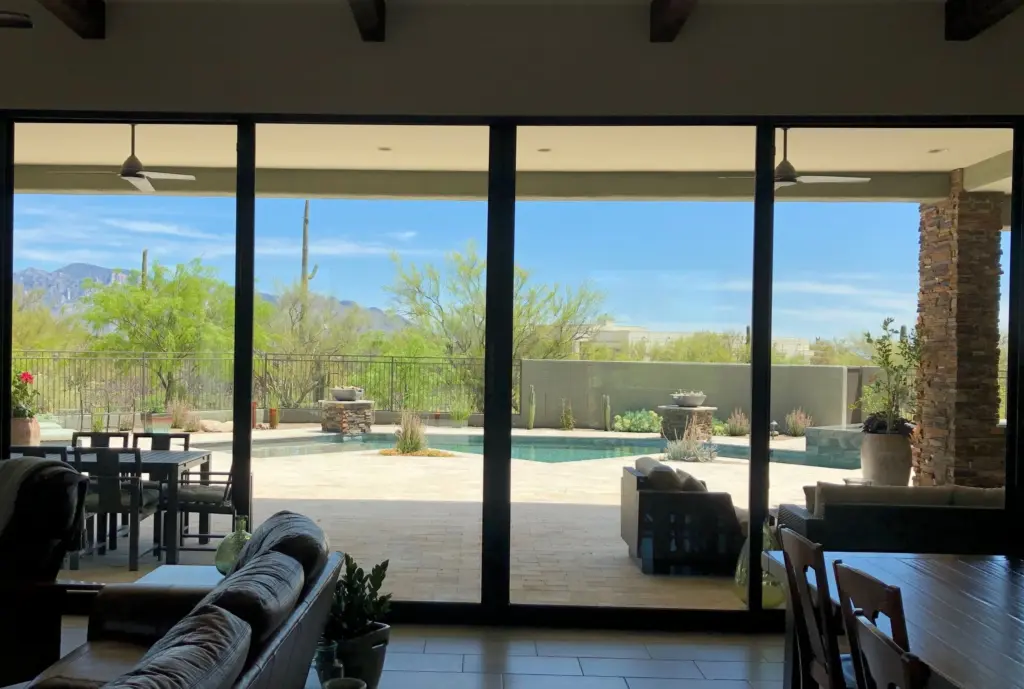
Even in the Las Vegas valley, where summer holds on longer than almost anywhere else in the country, fall still marks a real shift for homeowners. Once the water authority resets irrigation clocks and evening temperatures finally start dropping, a handful of systems around the house need attention before winter settles in. None of it takes a full weekend, but skipping it usually turns into a bigger repair bill in January. Here's what we walk our own clients through every fall. Give Your HVAC System a Breather (and a Checkup) After months of running nearly nonstop, your air conditioner has earned some downtime, but before it clocks out for the season, it's worth having a technician check refrigerant levels, clean the condenser coils, and inspect ductwork for leaks that quietly inflate winter heating bills. Replace the air filter now rather than waiting until you switch the system over to heat, and if your thermostat isn't smart or programmable, fall is a good time to upgrade one — it pays for itself quickly once overnight lows start dropping into the 50s. NV Energy's own seasonal tips page is a useful reference if you want to go deeper on efficiency. Reset Your Irrigation Clock The Southern Nevada Water Authority shifts the valley to its fall watering schedule every September, cutting the number of days lawns and drip systems are permitted to run. If your controller isn't updated to match, you're either running afoul of the seasonal restrictions or, more likely, soaking landscaping that no longer needs as much water as temperatures cool. While you're at the controller, walk the yard and check for broken emitters, clogged drip lines, or sprinkler heads that have drifted out of position — desert landscaping is forgiving, but a cracked line can waste water for months before anyone notices. Check the Roof and Gutters After Monsoon Season Summer's monsoon storms are hard on a roof — wind-lifted tiles, debris packed into gutters and downspouts, and flashing around vents and chimneys that can work loose in the heat. A visual check from the ground, or a professional inspection if it's been a few years, catches small problems before winter's occasional rain finds its way inside. Clear out any accumulated leaves and debris from gutters and downspouts so water has somewhere to go the next time it actually rains. Reseal Windows, Doors, and Stucco Desert heat is brutal on caulking and weatherstripping — it dries out and cracks faster here than in milder climates. Run a hand around the window and door frames, feeling for drafts, and look over the exterior stucco for hairline cracks that tend to widen with every temperature swing. Resealing now keeps conditioned air where you're paying for it, and keeps the valley's occasional wind-driven dust out of the house. Wind Down the Pool for Cooler Months If you're not planning to heat your pool through the winter, fall is when to start reducing pump run time, balance the chemicals one more time, and give the filter a thorough cleaning before use drops off. Skim leaves and desert debris a little more often as landscaping sheds for the season, and if you have a pool cover, this is the week to get it out of storage. Flush the Water Heater and Clear the Dryer Vent Sediment builds up in a water heater tank over a full summer of heavy use, and flushing the tank now improves efficiency and extends the unit's life. It's also worth pulling the dryer vent clear of lint — a blocked vent is both a fire risk and the reason a dryer that used to take forty minutes now takes ninety. It is even worth using a long and thin vacuum attachment to grab as much lint as possible. Test Smoke and Carbon Monoxide Detectors Daylight saving time ends on November 1 this year, and it's still the easiest reminder there is to replace detector batteries and press the test button on every unit in the house. If any detector is more than eight to ten years old, replace the unit itself — the sensors degrade even when the alarm still “works.” None of this requires a contractor for every item, but a few of these — the HVAC tune-up, the roof check, the water heater flush — are worth having a professional confirm even when everything looks fine from the outside. Small issues found in October are inexpensive to fix; the same issues discovered in February usually aren't. This is the same fall maintenance walkthrough we give every Premier Homes client, whether you bought your home through us last month or a decade ago — reach out any time, not just when you're buying or selling. Premier Homes Property Management can help coordinate inspections and trusted vendors for homes across Las Vegas, Henderson, and the surrounding valley.
Read more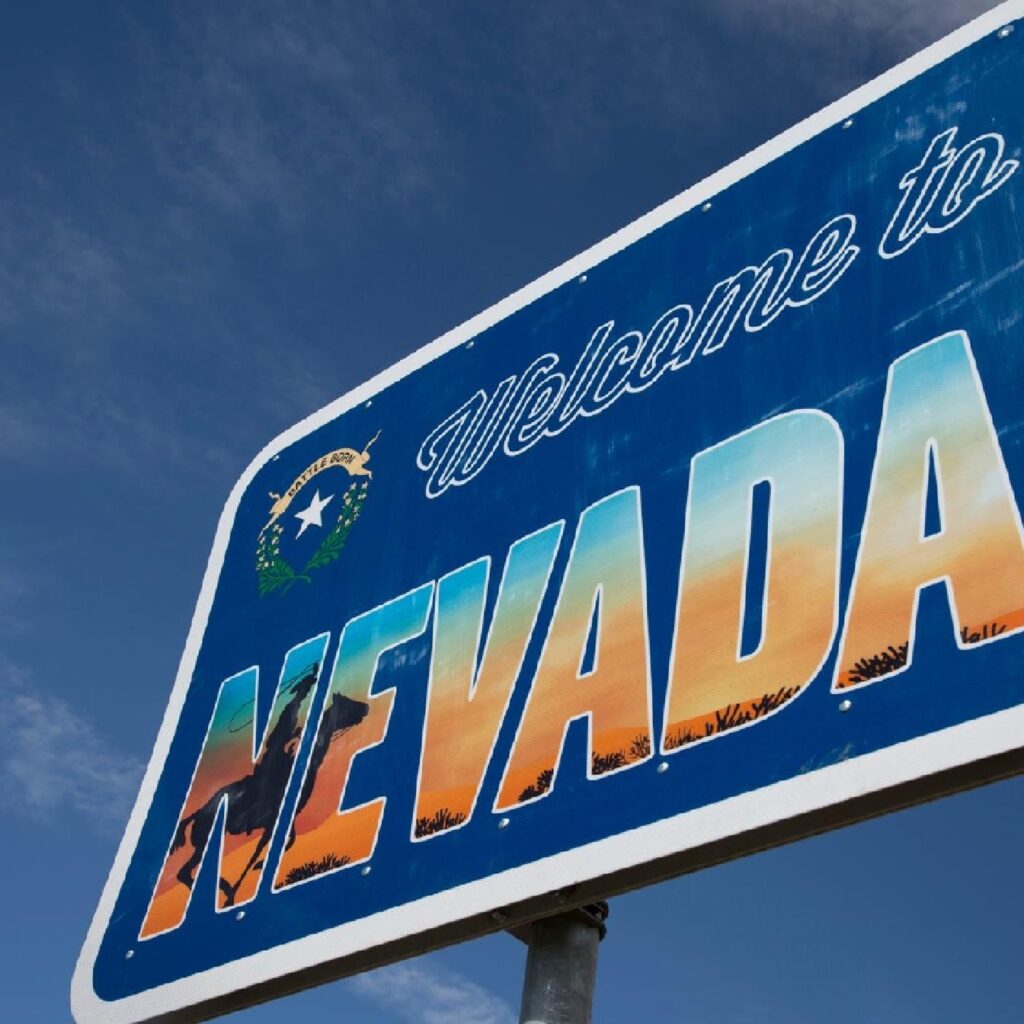
Las Vegas and Henderson keep showing up on other people's moving trucks. New U.S. Census Bureau data compiled by USAFacts shows Nevada gained roughly 41,300 more residents than it lost in 2024, the sixth-largest net domestic migration gain of any state. About 130,800 people moved into Nevada that year while 89,500 moved out. For a lot of our new-construction buyers, that migration story isn't background noise — it's their own story, and it usually starts with a search from a couch in another state, months before they ever set foot in Nevada. Where the New Neighbors Are Coming From California remains by far the biggest feeder state, accounting for roughly 53,300 arrivals in 2024 alone, followed by Texas (about 8,300) and Florida (about 6,300) — together over half of everyone who relocated to Nevada that year. It tracks with what we see on the ground: buyers leaving higher-cost, higher-tax states for a Las Vegas or Henderson home, often before they've had the chance to walk the community in person. As home prices here have climbed, we've also noticed the mix of arrivals skewing toward buyers with more equity and more flexibility — people who are often comparing two or three new-construction communities remotely before ever booking a flight. The Real Challenge: Buying a Home You Haven't Stood Inside Relocating from Sacramento, Austin, or Tampa sounds simple until you get to the part where you're supposed to walk a model home, compare lot premiums, and sign a purchase agreement — all without burning three separate weekends on flights. That's the part of an out-of-state move that trips people up, and it's exactly where a lot of buyers assume they have no choice but to fly in repeatedly, take time off work, and hope the community still feels right the second or third time around. Out-of-State Buyers Are Our Specialty, Not an Afterthought This is where our new home specialist spends most of his time. He works directly with builders' sales offices and, when it makes sense, alongside builders' own representatives, and he leans on video walkthroughs and video conferencing so a buyer in another state can tour a model home, compare finish packages, and walk a homesite almost as if they were standing on it themselves. Offers, counters, disclosures, and most of the paperwork in between move through DocuSign, so a buyer can review and sign from wherever they are, on their own schedule, instead of overnighting documents or rearranging their week around a fax machine. For the pieces of the transaction that do require a notarized signature, Nevada is one of the states that permits remote online notarization, which means even that step usually doesn't require a trip to Las Vegas. What Doesn't Move to Video: Boots on the Ground Technology closes the distance, but it doesn't replace having someone physically at the site. That's why our new home specialist makes a point of visiting active construction sites in person consistently — not just at the big milestones, but regularly enough to catch a framing question, a grading concern, or a finish-selection mix-up before it turns into a bigger problem. Buyers get the convenience of handling most of the transaction remotely, plus a local advocate who's actually walking the site while their home is being built. One Rule That Doesn't Change for Remote Buyers There's one part of new-construction buying that technology can't work around: representation has to be established at the very first contact with a builder's sales office. New home builders will not add a buyer's agent after that first visit or registration — if a buyer reaches out to a builder on their own first, even just to browse a model home online or drop by a sales office while in town, they can permanently lose the ability to have an agent represent them on that home at no cost to them. Out-of-state buyers should loop in their Premier Homes agent before their very first contact with a builder, whether that first touchpoint is an in-person visit or a phone call or online inquiry made while they're still hundreds of miles away. Not Just for Primary Residences A good number of the out-of-state buyers we work with are shopping in Las Vegas and Henderson as investors first and residents second, or somewhere in between. For clients who plan to rent the home out, Premier Homes Property Management picks up where the purchase leaves off, handling leasing and day-to-day management without requiring them to be in Nevada. And for buyers who want to keep the home for themselves but won't be here year-round — snowbirds, second-home owners, or anyone splitting time between two states — Premier Homes NV also offers a Lock-and-Leave service, so the property is checked on and maintained while they're away and ready to walk back into whenever they return. Nevada's migration numbers tell us people are choosing Las Vegas and Henderson in growing numbers, often sight unseen at the start of the process. Our job is to make sure that distance never becomes the reason a buyer settles for the wrong home, the wrong community, or the wrong builder contract. This is the same process we walk every out-of-state client through, not a one-time trick for the blog — so whether you're relocating from California, Texas, Florida, or anywhere else, reach out to Premier Homes Real Estate any time, from anywhere, and let our new home specialist help you buy in Las Vegas or Henderson without booking five flights to do it.
Read more
In Part 1, we wrote about the buyers upsizing for lifestyle reasons — a Las Vegas home away from home for a family that likes having room to gather. But for a lot of the families we work with, more space isn't about a vacation home at all. It's about a parent who needs to be nearby, or an adult child who hasn't quite launched yet and is expected to pull their weight under the same roof while they get there. Both situations are becoming more common, both are reshaping what buyers ask for in a floor plan, and Nevada just made it meaningfully easier to build for either one. A Trend Four Decades in the Making This isn't a fad. Pew Research Center found that 59.7 million Americans — 18% of the population — lived in a multigenerational household in 2021, roughly four times the number in 1971, when the share was 7%. It's most common among young adults: 31% of 25- to 29-year-olds live in a multigenerational household, a share that drops steadily with age. And it isn't just an emotional or cultural choice — it's a financial cushion. Pew found poverty rates are meaningfully lower in multigenerational households (10%) than in other arrangements (12%), and the gap is much larger for two groups worth noting: unemployed adults (11% vs. 19%) and disabled workers (16% vs. 27%). When It's About a Parent Who Needs to Be Close One driver behind the multigenerational surge is straightforward caregiving. Pew's research found that about a third of adults living multigenerationally point to caregiving as a major reason for the arrangement — split between caring for an adult family member (25%) and childcare (12%) — and that share is even higher in lower-income households. Whether it's a parent who can no longer safely live alone, or simply a family that wants a parent close enough to see every week instead of once or twice a year, the floor plan has to do real work: a first-floor bedroom and bathroom instead of a staircase, a no-step entry, wider doorways, and enough separation that everyone still gets privacy. That's exactly the shift builders are responding to — first-floor primary suites climbed from 58.6% of new floor plans in 2019 to 68.4% today, and main-floor bed-and-bath layouts went from 39.7% to 54.9% over the same stretch, according to the Houseplans.com data cited in a recent Builder analysis. When It's About Grown Kids Who Haven't Launched Yet The other end of this is adult children living at home, and the data says this is overwhelmingly a financial story, not a laziness story. Pew Research found financial issues are the top reason households give for living multigenerationally — cited by half of lower-income adults and still by roughly a quarter of upper-income adults — with 28% saying it's simply the arrangement they've always had. The experience is mostly positive (57% describe it as positive overall) but not without friction: 23% report feeling stressed “all or most of the time,” even as 54% call it rewarding just as often. The honest takeaway is that it works best when it's structured, not just tolerated — shared expenses, a real division of chores, and, where the home allows it, enough physical separation that a 24-year-old contributing to the household still gets to live like an adult rather than a guest in their childhood bedroom. As Generations United executive director Kristen Kiefer puts it, “the most successful homes balance togetherness with independence, allowing family members to remain connected while maintaining privacy and autonomy.” That balance is really the whole design problem, whichever direction the multigenerational need is coming from. Nevada Just Made This Easier to Build For: The New Casita Law This is where the timing works in Nevada buyers' favor. Assembly Bill 396, Nevada's new statewide casita law, removes two of the biggest barriers that used to make accessory dwelling units — known locally as casitas, in-law suites, or granny flats — hard to build: it eliminates restrictions on separate kitchens and reduces the lot-size requirements some cities had imposed. Assemblywoman Shea Backus, the bill's author, framed it plainly around Nevada's affordability crisis and a housing shortage straining families, young professionals, and retirees alike. Cities and counties across the state had to update their zoning codes to comply by July 1, 2026. Clark County's own code changes took effect March 5, 2026, removing lot-size limitations outright (special permits still apply to lots under 4,000 square feet or in mobile and tiny-home parks). The City of Las Vegas has clarified its own setback, size, and lot rules, limiting properties to one residential ADU each, and Henderson — which had already made sweeping ADU changes back in 2022 — passed minor updates in fall 2025 to bring itself fully into compliance. In plain terms, a casita is close to a purpose-built answer for both scenarios in this post. A parent gets a private, single-level space with their own kitchen and bathroom, steps away but not underfoot. A grown child gets real independence — their own door, their own space — while still living on the family property and contributing to it. And with the state-level barriers coming down across Clark County, Las Vegas, Henderson, and North Las Vegas, it's a genuinely more available option than it was even a year or two ago. Which Floor Plan Fits Which Situation Communities we work in regularly — Desert Mesa at Aries, Lake Las Vegas, and Union Village — are already building toward this. New-construction data shows plans built around multigenerational living climbing from 4% of sales in 2019 to 12.2% today, and guest suites nearly tripling from 3.9% to 11%. If the need is caregiving for a parent, the priority is usually a first-floor primary suite or connected suite with an accessible bathroom and no steps between the garage, kitchen, and bedroom. If the need is a grown child contributing to the household, a detached or semi-detached casita with its own entrance tends to hold up better long-term than a converted bonus room, simply because it keeps the “togetherness with independence” balance Kiefer describes intact once life gets busy and patience runs thinner. What to Know Before You Tour a Model Home If any of this has you looking at new construction, one rule matters more than any floor plan detail: you need to bring your Premier Homes Real Estate agent with you on your very first visit to a builder's sales office or model home tour. New home builders generally will not add a buyer's agent after that first visit — representation has to be registered at the door, on day one, or you lose the ability to have your own agent looking out for your interests through the contract, upgrades, and incentives. Decide on your agent before you schedule that first tour, not after you've already walked the model. Whether you're weighing a first-floor suite for an aging parent or a casita for a grown child who's contributing to the household while they get on their feet, this is the same guidance we walk every Premier Homes client through — not a one-time blog observation, but how we actually help families plan for it, whether you're actively house-hunting this month or just starting to think it through. Reach out to Premier Homes Real Estate any time to talk through which floor plans and communities fit your situation, and if a casita will ever need to be managed or rented out down the road, Premier Homes Property Management can help with that as well. We're here for families across Las Vegas and Henderson, whenever you're ready.
Read more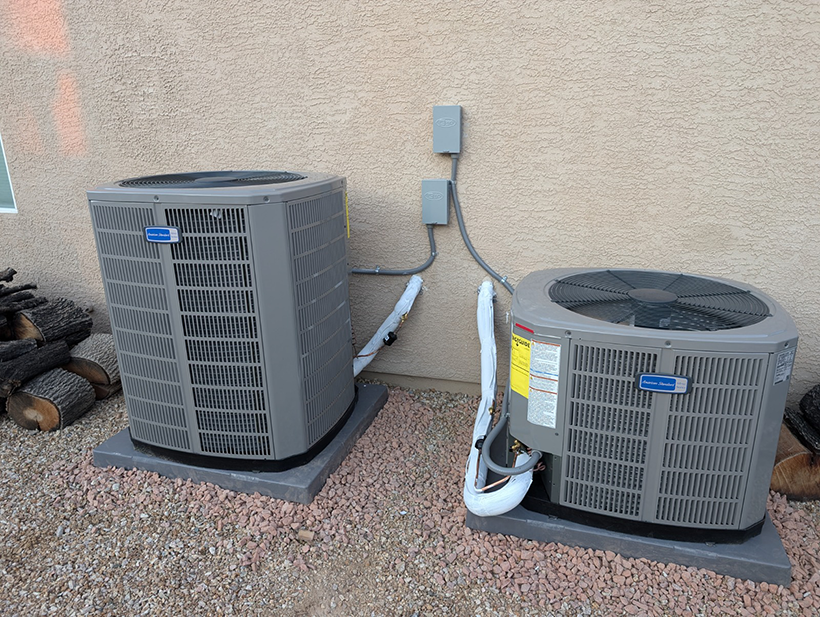
In Las Vegas and Henderson, air conditioning isn't a convenience — it's the system standing between a home and months of triple-digit heat. From roughly May through September, our HVAC units run harder and longer than they do almost anywhere else in the country. That workload makes routine maintenance non-negotiable, yet it's one of the first things homeowners let slide. Here's what's really at stake when service gets skipped, and how to make sure the company you hire to handle it actually deserves the job. Why Desert Heat Is Uniquely Hard on HVAC Systems A system in the Las Vegas valley doesn't get the seasonal breaks that HVAC units get in milder climates. Compressors run near their limit for weeks at a stretch, fine desert dust and sand work their way into filters and coils far faster than in other regions, and there's little off-season downtime for the system to simply rest and reset. All of that adds up to more wear, on a faster timeline, than most manufacturers assume when they design their maintenance schedules. What Happens When You Skip Maintenance Dirty coils and clogged filters force a system to work harder to produce the same amount of cooling, which shows up directly on the power bill. Left unaddressed long enough, small issues like a slow refrigerant leak or a worn component tend to go unnoticed until they cause a full breakdown — usually during the hottest week of the year, which is exactly when every HVAC company in town has the longest wait times. A unit that could have lasted fifteen to twenty years with regular care often needs full replacement in half that time out here. Skipping maintenance can also void the manufacturer's warranty outright, since most require documented annual service to stay valid. And for households with young kids, older family members, or pets at home, a mid-August breakdown isn't just an inconvenience — it's a real safety concern. What Homeowners Can Do Between Service Visits Professional tune-ups matter, but a lot of what keeps a system healthy in this climate is simple upkeep any homeowner can handle. A little consistency between visits goes a long way toward avoiding the bigger problems above. Change or check air filters every 30 to 60 days during peak cooling season — more often if you have pets, live near a construction site, or the valley's been especially dusty and windy. Walk out to the outdoor condenser unit once a month and take a look: clear away leaves, dirt, pollen, and blown debris, and keep at least two feet of open space around it so it can breathe. Keep landscaping trimmed back from the unit and resist the urge to use that spot for patio furniture, trash cans, or storage — anything that blocks airflow makes the system work harder. Check that indoor vents and return grilles aren't blocked by furniture, rugs, or curtains, so air can actually circulate the way the system was designed to. Periodically check the condensate drain line for clogs — algae and dust buildup are common in the desert, and a blocked line can lead to water damage indoors. Pay attention to warning signs between visits: unusual noises, weak airflow, warm air blowing when it should be cold, or an unexplained jump in the power bill. Any of those is worth a call before it turns into a breakdown. Book professional tune-ups twice a year, ideally in spring and fall, rather than waiting for something to go wrong to call someone. Hiring Someone to Do It? Don't Judge the Book by Its Billboard When it's time to bring in a professional, resist the pull of the biggest ad budget or the biggest fleet of trucks on the road. A flashy campaign or a huge logo on the side of a van says more about a company's marketing spend than the quality of its actual work. What matters more: how long the company has genuinely been in business, its track record with local homeowners, and whether its license is currently in good standing. In Nevada, that means checking any contractor directly through the Nevada State Contractors Board before signing anything — its license search shows standing, complaint history, and how long a license has actually been active. A company that's been serving Las Vegas and Henderson neighborhoods for a decade or more has a reputation on the line that a newer, louder competitor simply hasn't had the time to earn. Whether it's a routine seasonal tune-up or choosing the right company to handle it, a little diligence now is what keeps a manageable maintenance visit from turning into an emergency replacement in the middle of July. This is the same advice we pass along to every Premier Homes client — whether you're buying your first home in a community like Desert Mesa at Aries, managing a rental through Premier Homes Property Management, or simply making sure your current home is ready for another Las Vegas summer. You don't have to be in the middle of buying, selling, or renting to reach out: Premier Homes Real Estate and Premier Homes Property Management are always happy to help Las Vegas and Henderson homeowners think through questions like this one.
Read more