
Keep on top with latest and exclusive updates from our blog on the Las Vegas real estate world. Premier Homes Nevada posts about tips and trends for buyers, sellers, and investors every week. Whether it be about staging your property or a snapshot of the market, this is your one stop shop.
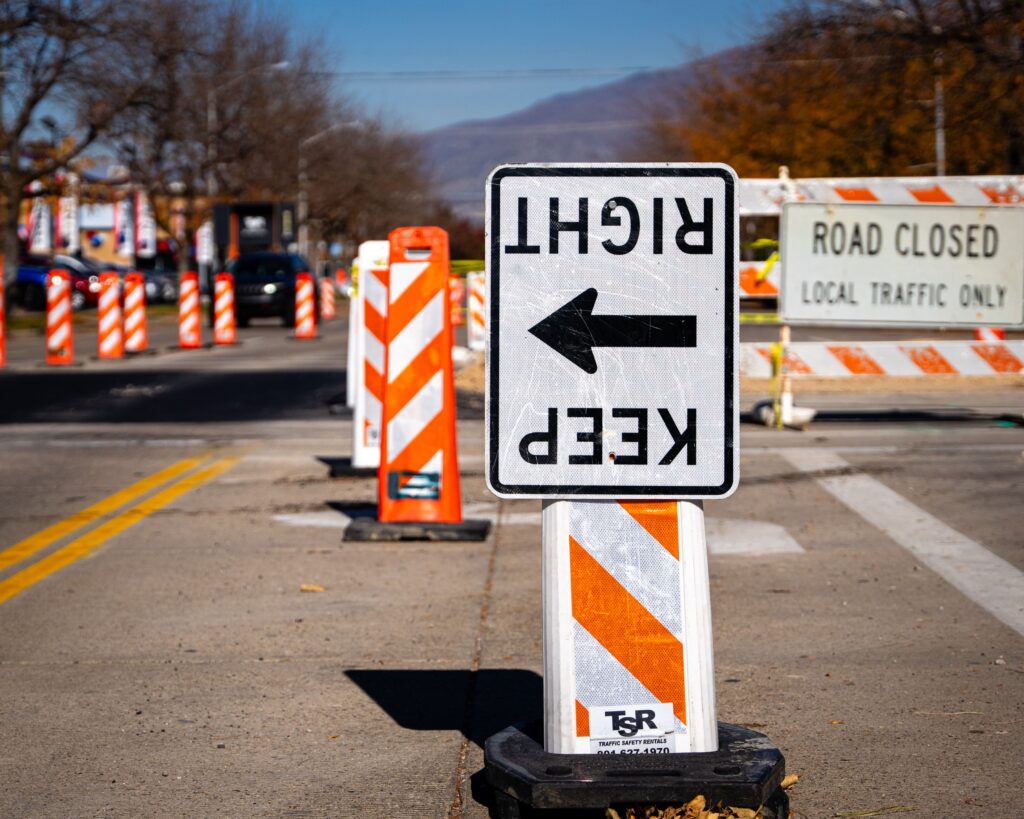
If you drive Boulder Highway between Wagonwheel Drive and Tulip Falls Drive, you've seen the cones, the center-median construction, and the new streetlights going up one by one. That's Reimagine Boulder Highway, the City of Henderson's $185 million rebuild of the 7.5-mile corridor, and it's reshaping one of the valley's oldest and busiest roads into something very different: a calmer, safer, more walkable stretch built around transit, biking, and redevelopment. What's Actually Changing Boulder Highway is dropping from six travel lanes to four. In their place: wider sidewalks, elevated bike lanes on both sides of the road (eventually full multidirectional cycle tracks), hundreds of new streetlights on a corridor that has historically been dark at night, and a center-running bus rapid transit line with raised platforms and new shelters replacing the old curbside stops. The goal, per the city and the Regional Transportation Commission of Clark County, is safety first — a 2020 RTC study found Boulder Highway accounted for roughly a quarter of Henderson's traffic deaths. Timeline and Cost Construction started in summer 2024 and, as of mid-2026 reporting, the project is now budgeted at $185 million (up from an original $172 million, largely to fund additional transit shelters) and isn't expected to wrap until August 2027 — about a year later than first planned. Work is moving from south to north, with intersection upgrades and shelter installations continuing through the corridor into 2026 and 2027, per Review-Journal coverage. Short-Term Pain for Existing Businesses Construction hasn't been easy on the businesses already on the corridor. Some merchants have reported foot traffic down 30 to 50 percent since work began, and a resident-led petition has raised concerns about lane conditions, lighting gaps mid-construction, and the placement of bus stops in the center median. It's a real, near-term cost that current owners and their landlords are absorbing while the corridor is rebuilt. The Long-Term Redevelopment Story The longer view looks different. The City of Henderson reports that 41 new businesses have opened along the corridor since the project broke ground, 23 of them in designated redevelopment zones, adding roughly 135 new jobs. Nearly 3,000 residential units are approved or in various stages of construction along the 7.1-mile Henderson segment. A safer, better-lit, transit-connected corridor with dedicated bike infrastructure is exactly the kind of investment that tends to draw redevelopment interest over time — even if it's a bumpy few years to get there. Cadence: Proof the Corridor Is Already Working The clearest evidence that Boulder Highway's redevelopment story is real sits right on the corridor: Cadence, the 2,200-acre master-planned community that has ranked among the top-selling master-planned communities in the entire country in recent industry rankings, including a No. 1 ranking for best-selling master plan in the Las Vegas Valley. Cadence has two entrances directly on Boulder Highway: one at Warm Springs Road and Boulder Highway on the community's west side, and a second at Water Street and Boulder Highway, where Henderson extended Water Street to connect Cadence to the historic downtown Water Street District and Lifeguard Arena. A community selling homes at that pace, with its front door literally on the corridor being rebuilt, is a strong signal of where Henderson expects Boulder Highway's momentum to go next. What This Means for Buyers, Sellers, and Business Owners For anyone weighing commercial space along Boulder Highway — whether leasing a storefront, buying a small retail building, or evaluating a redevelopment parcel — this is a corridor worth watching closely. Premier Homes Business Brokerage specialists track growth corridors like this one across the valley and can help business owners weigh near-term construction disruption against the corridor's long-term trajectory. For residential buyers and sellers eyeing the nearly 3,000 units planned nearby, Premier Homes Real Estate agents can walk through what the completed corridor will mean for access, walkability, and value. And for owners who already hold property along Boulder Highway, Premier Homes Property Management can help manage tenants and cash flow through the construction period. Boulder Highway won't look or function the way it has for the last 90 years. Henderson is betting that a slower, safer, transit- and bike-friendly corridor pays off in redevelopment — and the early business and housing numbers suggest that bet is already paying off, even as the finish line sits a year further out than originally planned. Curious how the Boulder Highway corridor — or any growth area in Las Vegas and Henderson — fits your buying, selling, leasing, or investment plans? Contact Premier Homes today and let our Real Estate, Business Brokerage, and Property Management teams put their combined market knowledge to work for you.
Read more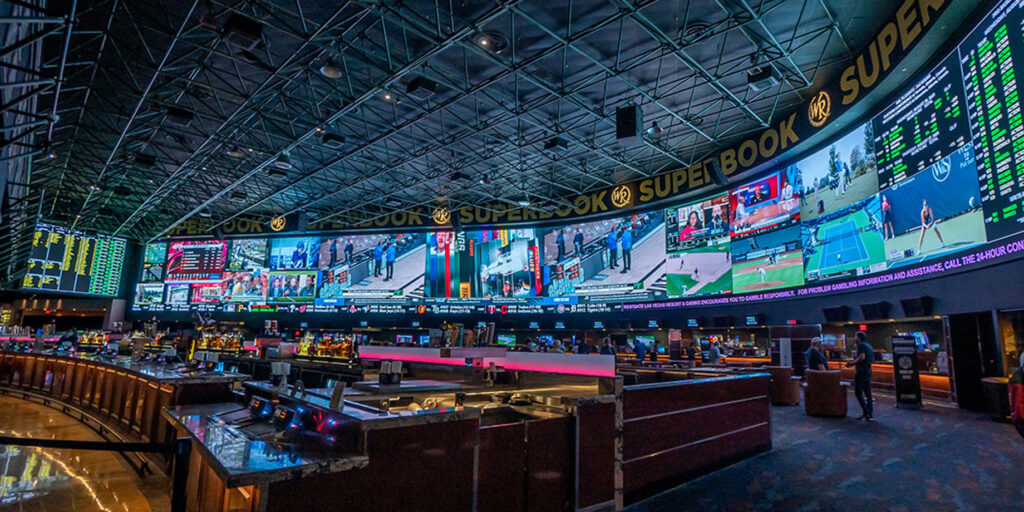
Las Vegas sports and training go a lot deeper than the Strip marquees. In under a decade, this valley went from a town without a single major pro franchise to one fielding teams across nearly every league in the country — and soon, basketball too. Between the pros, the minor leagues, motorsports, water sports, and a few disciplines you won't find grouped anywhere else, Las Vegas has quietly become one of the most complete sports towns in America, with real training behind almost all of it. The Big Leagues, and One More Coming The Vegas Golden Knights arrived first, in 2017, and delivered the most successful inaugural season in modern NHL expansion history — a run to the Stanley Cup Final in year one. The Las Vegas Raiders followed in 2020, relocating from Oakland into the $1.9 billion Allegiant Stadium, with the team's headquarters and training complex — the Intermountain Health Performance Center — built separately in Henderson, an angular, 335,000-square-foot facility with indoor and outdoor practice fields. The Las Vegas Aces moved from San Antonio in 2018 and have since become back-to-back WNBA champions (2022, 2023), playing at Michelob ULTRA Arena. UNLV Rebels athletics round out the college scene. And the NBA is now actively considering Las Vegas for expansion, with a decision expected as soon as this year — multiple ownership groups, including Golden Knights owner Bill Foley, are already competing for the franchise. Minor League and Rising Teams The Aviators (AAA baseball) trace back to 1983 as the Las Vegas Stars, went through a run as the alien-nodding "51s," and rebranded again in 2019 with a move to Las Vegas Ballpark in Downtown Summerlin. The Henderson Silver Knights (AHL) practice and train the next generation at America First Center on Water Street — a two-rink public facility in downtown Henderson that also runs public skating and youth hockey programs. The Vegas Knight Hawks (Indoor Football League) play out of Henderson's Dollar Loan Center at Lee's Family Forum. Between the Raiders' HQ, the Silver Knights' training home, and the Knight Hawks' arena, Henderson has quietly become as much a sports town as the Strip itself. Built for Speed Las Vegas Motor Speedway (lvms.com) has hosted NASCAR since 1998, but the valley's motorsports pedigree actually goes back further — Formula 1 raced here at Caesars Palace in 1981 and 1982, decades before F1 returned to a purpose-built Strip circuit in 2023. For anyone who wants to do more than watch, the Mario Andretti Racing Experience at LVMS puts everyday drivers behind the wheel of an Indy-style open-wheel car for real racing instruction, no professional license required. Beyond the Obvious Soccer, lacrosse, rugby, and volleyball don't always make the highlight reel here, but they're well-established. Las Vegas Lights FC (USL Championship) has played at Cashman Field since 2018, with a youth academy at Kellogg-Zaher Soccer Complex and further development through Villarreal Las Vegas Soccer Academy. Fewer people know the valley also fields a professional lacrosse team: the Las Vegas Desert Dogs (National Lacrosse League), backed by an ownership group that includes Wayne Gretzky and Steve Nash, began play in 2023. Youth lacrosse has a real pipeline too, through Southern Nevada Lacrosse and Nevada Lacrosse South. Rugby has deeper roots here than almost any other niche sport in the valley — the Las Vegas Blackjacks RFC has fielded a competitive men's club since 1976. And clubs like Vegas United Volleyball and the Las Vegas Beach Volleyball Club (sand courts included) keep that sport growing both indoors and out. On the Water Lake Las Vegas Water Sports turns Henderson into a legitimate water sports destination — wakeboarding off a dedicated cable park, paddleboarding, kayaking, and even flyboarding, all just minutes from the Strip. Only in Vegas Two categories exist here, almost nowhere else. Acrobatics and circus arts training — through studios like AGC Las Vegas, founded by a Cirque du Soleil acrobat and an Olympic coach, and Cirque's own NexGen talent program — turns a Vegas entertainment specialty into a legitimate athletic career path for kids willing to put in the training. And for competitive gaming, HyperX Arena at Luxor gives esports a full arena stage, practice space, and community that most cities can't come close to matching. Home Base for Every Sport Wherever your family's interest lands — the diamond, the water, the track, the mat, or the stage — knowing which neighborhoods sit closest to these facilities makes a real difference in daily life. Premier Homes Real Estate knows the valley's communities inside and out, including exactly which ones put you minutes from the training your family cares about. Whether you're chasing a fastball, a wave, a lap record, or a stage spotlight, Premier Homes Real Estate can help you find a home in the Las Vegas or Henderson community built for your family's game. Reach out today to start the search.
Read more
If you're thinking about buying a home in the Las Vegas or Henderson area, the smartest step you can take happens before you ever tour a house: getting pre-qualified for a mortgage. It's a quick conversation with a lender, but it changes everything about how you search, what you can offer, and how sellers see you. What a Pre-Qualification Letter Actually Is A pre-qualification letter is a lender's estimate of how much you can borrow, based on a quick review of your income, debts, and credit. It's not a guarantee of final approval, but it's a credible signal that you're a serious, financially prepared buyer — and in a competitive market, that signal matters. It Shows You What You Can Really Afford It's easy to fall in love with a home before you know your real budget. Pre-qualification puts a number in front of you early, so you're not wasting time touring properties outside your range or, worse, underestimating what you can afford and missing out on the right home. It Makes Your Offer Stand Out In the Las Vegas valley, well-priced homes can draw multiple offers fast. Sellers and their agents want to know an offer is real before they take a property off the market. A pre-qualification letter attached to your offer tells them you've already cleared a major hurdle — it can be the difference between winning a home and losing it to a more prepared buyer. It Speeds Up the Path to Closing Once you're pre-qualified, your lender already has your basic financial picture on file, which means fewer surprises and a faster process once you're under contract. That head start can shave real time off your closing timeline. We're Happy to Point You in a Direction — You Make the Call A question we hear often is whether our agents can recommend a lender. We're glad to share a list of loan officers our Premier Homes Real Estate salespeople have enjoyed working with over the years, and we're happy to talk through what made those relationships work well for past clients. What we won't do is push you toward a single lender. Steering buyers to one loan officer, especially in exchange for referral fees or other perks, runs against RESPA (the Real Estate Settlement Procedures Act) and isn't how we do business. We'll hand you options and honest input — the choice of who to work with is always yours. Buying a home is one of the biggest financial decisions you'll make, and a pre-qualification letter is the foundation that everything else is built on. It sets your budget, strengthens your offers, and keeps your home search focused on properties you can actually buy. Ready to start your home search in Las Vegas, Henderson, or the surrounding valley? Contact Premier Homes Real Estate today, and our agents will connect you with trusted lenders and guide you through every step, from pre-qualification to closing.
Read more
Pools, clubhouses, and walking trails used to be the checklist for a great master-planned community. Now developers around the country are adding something new to that list: a brewery or beer garden. A recent feature in Builder Magazine highlighted how communities like Moxie in Lockhart, Texas, and Braden in Sacramento, California, are building breweries into their town centers as “cultural living rooms” — gathering spots designed to fight loneliness and build real neighborly connection. It's a trend worth watching here in the Las Vegas Valley, especially since several of our own established communities are missing this piece. Why Buyers Are Asking for This According to the America at Home Study cited in the article, 31% of homebuyers said a community hub with a microbrewery, patio seating, and live music would be an important factor in choosing where to buy — and that number climbs to 34% among Millennials. The demand lines up with two other bodies of research. The U.S. Surgeon General's 2023 advisory on loneliness found that roughly half of American adults report experiencing loneliness, and named community design as one of the tools to rebuild connection. And the National Association of Realtors' Community and Transportation Preference Survey found that 89% of respondents want sidewalks and places to walk, 82% want to be within walking distance of shops and parks, and nearly two-thirds would pay more to live somewhere walkable. Taken together, the message is consistent: buyers aren't just shopping for square footage, they're shopping for a place to belong. An Idea With Deep Roots None of this is new — it's a return to something older. In England, interwar council housing estates like Downham in South East London and Quarry Hill in Leeds were built with large, purpose-designed pubs at their center, meant to serve every age of drinker in the neighborhood the way a village pub always had. In Germany, Biergartens trace back to 1812, when Bavaria's King Maximilian I allowed brewers to sell beer in the gardens above their cooling cellars, shaded by chestnut trees planted over the tunnels below. Those gardens became inclusive gathering spaces open to all classes, so much so that Bavaria's 1999 Beer Garden Ordinance formally recognizes them as fulfilling an “important social and communicative function.” The brewery-anchored town center isn't a marketing gimmick — it's a centuries-old formula for building a neighborhood that developers are simply rediscovering. Vegas Has Tried This Before Las Vegas has its own chapter in this story, and it's worth knowing before assuming this is just a marketing trend. Until the early 1990s, state law didn't allow breweries to operate in the city at all. That changed in 1993, when Tom “Big Dog” Wiesner, owner of the Holy Cow! Casino on Las Vegas Boulevard, persuaded the state to change the law so he could add Nevada's first brewery to his casino. It worked: Holy Cow's beers won national awards and supplied several other Big Dog's properties, before the casino itself closed in 2002 amid the post-9/11 tourism slump. Other casinos followed. The Monte Carlo opened the only brewpub on the Strip when it debuted in June 1996, but stopped brewing on-site a decade later once construction of CityCenter took over the building it used, and the pub closed for good during the resort's 2016 remodel into what's now Park MGM. Downtown, Main Street Station added its Triple 7 Restaurant and Microbrewery that same year, becoming the first brewery in Downtown Las Vegas — and it's still pouring today. Ellis Island's on-site brewery, added in 1998, grew into one of the state's most-awarded breweries before the casino demolished it in 2022 to make room for more casino floor, shifting production to an off-site facility. The pattern is familiar: casinos have long used an in-house brewery to stand out, then absorbed, relocated, or cut it loose once the real estate became more valuable for something else. Master-planned communities are now borrowing the same idea — a signature, locally brewed gathering spot — but building it in as a permanent piece of the town center rather than a novelty competing with a casino floor for square footage. Why This Fits the Las Vegas Market Las Vegas and Henderson have a head start already. Local names like Tenaya Creek, Able Baker, and CraftHaus have shown there's real appetite for neighborhood brewerieshere, and our valley is home to several of the top-performing master-planned communities in the country — Cadence ranked No. 3 nationally and Summerlin landed in the top 10 in recent John Burns Real Estate Consulting rankings. Both are already built around walkable village centers, which makes a hyper-local brewery or beer garden a natural next step. The Gap in Our Established Communities Here's the catch: many of our valley's well-established communities were master planned years before this trend took hold, and their town centers and retail pads simply don't have this kind of amenity yet. That's not a dead end — it's an opening. Underused retail space in an established village center can often be repositioned for exactly this kind of concept, giving an older community a fresh reason for buyers and renters to take a second look. Does the Math Actually Work? There's real research behind this, not just intuition. A 2020 study in Papers in Applied Geography, “Going out for a Pint,” mapped brewery locations against Walk Score across San Diego and found that walkability correlates with brewpubs — the taproom-style breweries that sell most of their beer on-site — but not with standalone production microbreweries. Urban planners use a “5-minute walk,” a quarter-mile radius, as the standard distance people will cover before defaulting to a car; it's the same benchmark Starbucks uses for site selection. Beyond that walk-up ring, site selectors typically layer on a 10-to-15-minute drive-time radius to capture weekend and destination traffic. The economics back it up: a half-barrel sold through the taproom nets roughly four times what it nets wholesaled to a distributor, so walkability isn't just a nice-to-have, it's the lever that drives the margin. If you're touring a community marketing a brewery or beer garden as an amenity, it's worth asking the developer a few pointed questions: how many rooftops sit within that quarter-mile walk-up radius, and is the concept designed as a walkable taproom or just a beer-branded restaurant on a drive-to pad? Buyers and developers alike should push on this the same way they'd ask about school boundaries or park access — it's a real, measurable amenity, not just a logo on a sign. For investors weighing whether a specific brewery or taproom concept pencils out in a given community, that's exactly the kind of trade-area math our Premier Homes Business Brokerage department can run — walk-up density, drive-time population, and taproom-versus-wholesale economics — before you commit to a lease or a deal. Contact them early in the process, not after you've already signed. Meet Our Business Brokerage Team This is where Premier Homes Business Brokerage comes in. This department specializes in business sales and leasing — working directly with entrepreneurs who want to buy, sell, value, or lease space for the kind of local bar, restaurant, or brewery concept that could fill exactly this gap in an established community. Whether you're a business owner looking to relocate into a retail village center or a community exploring what kind of operator could anchor an empty pad, he can walk you through the deal. What Buyers Should Know Before Touring New Communities If a brewery-anchored community catches your eye, keep one thing in mind: you must bring your Premier Homes Real Estate agent with you on your very first visit to any new home builder's sales office or model home tour. Builders will not add your agent after that first visit — representation has to be registered right at the door, or you lose the benefit of having someone in your corner during contract review, upgrade pricing, and incentive negotiations. Our new home specialist handles exactly this, so loop him in before you ever step onto the lot. The Investment Angle For investors, amenities like this matter too. Our Property Management department regularly fields questions from renters looking for exactly this kind of walkable, social community, and Business Brokerage tracks which growth corridors in the valley are primed for retail and hospitality concepts like a local brewery. Because all three of our departments meet regularly to compare notes, any Premier Homes agent you work with can speak to how an amenity like this affects both livability and long-term value. The bottom line: as more Las Vegas-area developers look to build “social ROI” alongside financial ROI, don't be surprised if your next favorite hangout — new build or retrofit — is a short walk from your front door. Curious which Las Vegas or Henderson communities are planning amenities like this, or want to explore bringing one to your own neighborhood? Contact Premier Homes today — our Real Estate, Business Brokerage, and Property Management departments know the valley's master-planned communities inside and out, and we'll make sure you have the right representation and the right department from your very first conversation.
Read more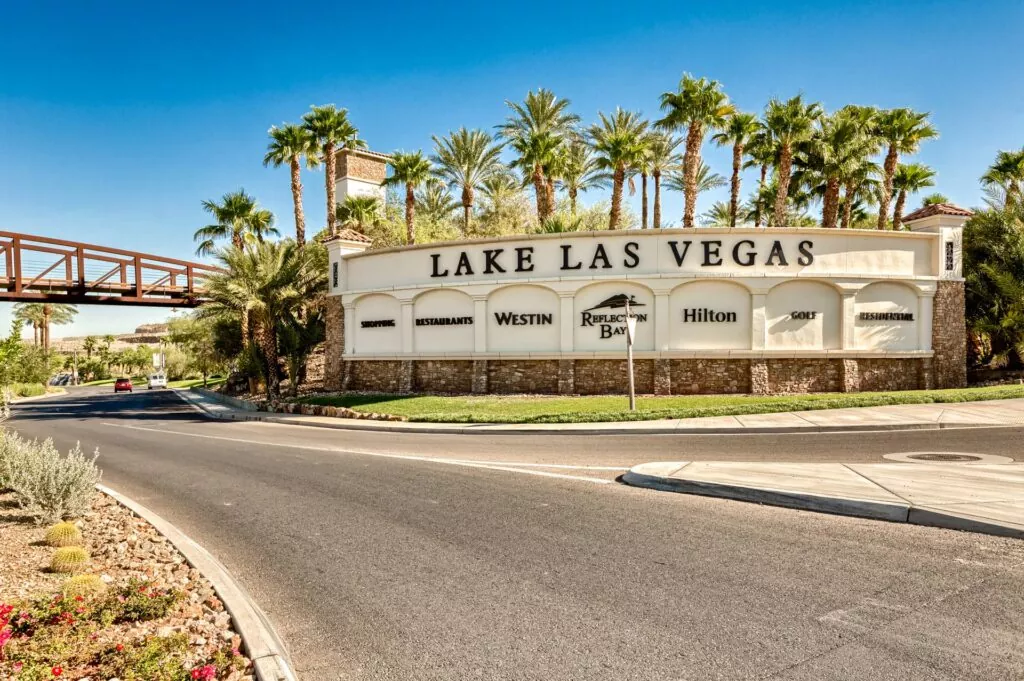
There's a reason Lake Las Vegas keeps coming up in conversations with our buyers: it doesn't feel like the rest of the valley. We recently walked through a stunning home in the community and put together a full video tour so you can see exactly what makes this stretch of shoreline so special, whether you're actively house hunting or just love a good home tour. https://youtu.be/ypo_Rgxdd3M A Community Built Around the Water Lake Las Vegas is one of the few places in the valley where the water is the whole point. The 320-acre lake anchors everything around it, and homes here are designed to take advantage of that: courtyards that open toward the shoreline, windows angled to catch the light off the water, and outdoor living spaces that feel more like a resort than a backyard. Touring a home here is a different experience than touring one anywhere else in Las Vegas or Henderson. Step Inside: The Home Tour In the video, our team walks through the home room by room, pointing out the details that make it stand out: the flow between indoor and outdoor living, the finishes, and the moments where the lake view steals the show. If you're the type of buyer who wants to picture yourself in a space before you ever set foot in it, this tour is built for you. Resort-Style Amenities Just Outside Your Door Living in Lake Las Vegas means more than a beautiful house. Residents have access to walking paths along the water, marina access, restaurants and shops within a short stroll, and views that change with the light throughout the day. It's a lifestyle upgrade as much as it is a home upgrade. Why Lake Las Vegas Keeps Drawing Buyers We're seeing steady interest in this community from buyers who want proximity to the Las Vegas Strip and Henderson without giving up a quieter, water-oriented setting. Homes here tend to hold attention because there's simply nothing else quite like this pocket of the valley. If this tour has you picturing your own morning coffee on a patio overlooking the lake, we'd love to help you take the next step. Our team meets regularly to compare notes across Las Vegas, Henderson, and the surrounding areas, so whoever you work with brings the full team's market knowledge to your search. Ready to see this home or another like it in person? Contact Premier Realty today and let's find your place on the water.
Read more
Desert living in the Las Vegas Valley comes with its own set of house guests — ants, spiders, and the occasional scorpion — plus hard water that leaves its mark on every faucet. You don't need a cabinet full of harsh chemicals to handle either problem. A few pantry staples and the right plants can keep a valley home clean and pest-resistant, without anything you'd worry about around kids or pets. Citrus Peels and Vinegar for Ants Ants dislike the smell of citrus, so leaving orange or lemon peels near doorways, windowsills, and other entry points helps discourage them from coming in. For active trails, mix equal parts white vinegar and water in a spray bottle and spray directly on the ants and along baseboards, then wipe down — the scent also breaks the trail they leave for other ants to follow. Peppermint: Plant It or Spray It Peppermint oil is one of the more reliable natural deterrents for spiders and other crawling pests — mix 10 to 15 drops with a cup of water and spray around windows, door frames, and cracks where they tend to sneak in. Peppermint plants themselves do best in a shaded container near an entryway rather than out in full desert sun, since they need more consistent moisture than most xeriscape plants. A pot by the back door does double duty as a natural deterrent and a nice-smelling addition to the patio. Diatomaceous Earth for Scorpions Scorpions are the pest most valley homeowners worry about, and food-grade diatomaceous earth is the most effective, fully non-toxic option against them. Sprinkle a light layer along the foundation, baseboards, and any gaps around doors and windows — it's a fine powder that damages a scorpion's exterior on contact, and it's safe to use in homes with kids and pets. Citrus and vinegar are sometimes suggested for scorpions too, but neither has proven especially reliable, so lean on diatomaceous earth as the main line of defense. A Simple Vinegar and Baking Soda Cleaning Kit White vinegar, baking soda, and castile soap can replace most of what's under a typical sink. Vinegar cuts through grime and hard water spots, baking soda tackles grease and helps soften our famously hard tap water, and castile soap handles everyday surface cleaning. One rule worth remembering: never mix vinegar and castile soap in the same bottle — combined, they curdle and cancel each other out. Keep them separate, and use a vinegar rinse afterward on faucets and shower glass to cut through mineral buildup. None of these swaps take much effort, and they add up to a home that's easier on your family and the desert environment around it. Simple, natural upkeep like this is part of what keeps a Las Vegas Valley home comfortable year-round. Looking for a home in Las Vegas, Henderson, or the surrounding valley? Contact Premier Realty today — our team knows this valley, inside and out.
Read more
Mortgage rates just touched their highest levels in a year, and it's tempting to read that as a sign to wait. But look past the rate headline and the rest of the picture tells a different story. Inventory is loosening, sellers are negotiating again, and a new federal law is starting to chip away at one of buyers' biggest sources of competition. None of these conditions are guaranteed to last, which is exactly why they're worth paying attention to now. Inventory Is Finally Giving Buyers Room to Breathe Active listings across the Las Vegas Valley have climbed steadily over the past couple of months, giving buyers more homes to choose from and more time to make a decision than the frantic, multiple-offer environment of a few years ago. Closed sales have held fairly steady month to month, which tells us buyers are still out there; they just have more options than they used to. Sellers Are Negotiating Again Homes are sitting on the market longer than they were during the pandemic-era boom, and that shift in pace has made sellers more willing to talk. Repair credits, closing cost assistance, and price flexibility that would have been unthinkable in 2021 are back on the table in many parts of the valley. That negotiating room is one of the clearest signs that this is a buyer-friendly stretch, not just a slow one. Higher Rates Mean Less Competition, Not No Opportunity Rates sitting near a one-year high are keeping a lot of would-be buyers on the sidelines, which thins out the competition for the buyers who do move forward. A rate you lock in today isn't permanent; it can be refinanced down the road if rates ease. The negotiating leverage and inventory levels available right now, on the other hand, aren't something you can go back and capture later once more buyers re-enter the market. Remember sellers also include new home builders. They only make money when someone buys the home, which means they are willing to negotiate a mortgage rate buydown. A New Federal Law Is Starting to Reshape Buyer Competition The recently enacted 21st Century ROAD to Housing Act restricts large institutional investors from continuing to buy up single-family homes. It's a significant shift at the federal level, and over time, it should mean fewer bulk buyer competitors standing between everyday buyers and the homes they want. Policy changes like this tend to take a while to show up in day-to-day market data, which makes it worth watching closely as it phases in. The truth is, a 'perfect' time to buy rarely announces itself. Conditions like more inventory, more room to negotiate, and less investor competition tend to shift again once rates ease, and buyers flood back in. Our team meets regularly to compare notes across the valley, from Summerlin to Henderson to the newer master-planned communities on the edges of town, so our clients get the benefit of the whole team's read on the market, not just one agent's opinion. Ready to see what today's market conditions could mean for you? Contact Premier Realty today to start your home search in Las Vegas, Henderson, or the surrounding valley with a team that knows the market inside and out.
Read more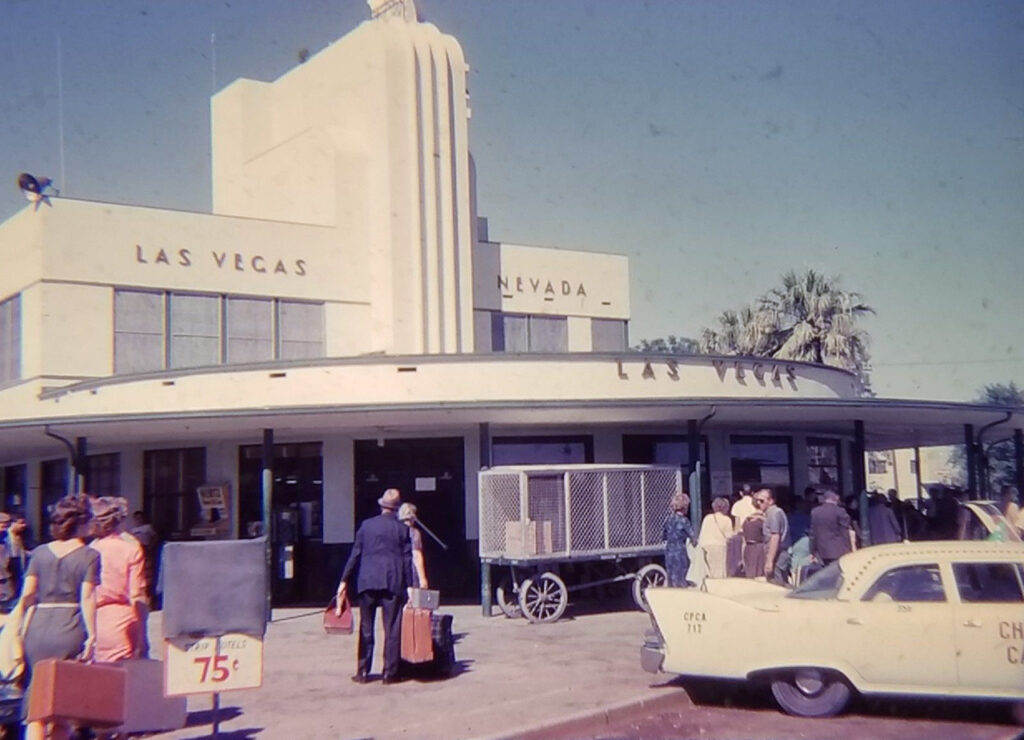
Picture this: you leave your house in Summerlin, grab a coffee, and a couple hours later you're stepping off a train in the middle of Southern California — no security line, no Cajon Pass gridlock, no white-knuckle drive through the desert on a Friday afternoon with 200,000 other people trying to do the same thing. That's the promise of Brightline West, and it's no longer a rendering on a website — it's steel, concrete, and cranes rising along I-15 right now. This isn't just an infrastructure story. It's a story about what Las Vegas is about to become. The Fastest Way From Here to There Is About to Get a Lot Faster Right now, the drive from Las Vegas to Los Angeles is a rite of passage — and not the good kind. Four-plus hours if you're lucky, double that if you're stuck behind an accident at the Cajon Pass on a holiday weekend. Brightline West collapses that entire ordeal into a fraction of the time, at speeds up to 186–200 miles per hour, running in a dedicated corridor down the median of I-15. Depending on the source and the exact stop pattern, quoted trip times range from as fast as 55 minutes for the shortest express segments up to a bit over two hours end to end — the point is, whatever the final number lands on, it's a different category of trip than the drive. The numbers behind it are staggering: a 218-mile line, a price tag that's climbed toward $21 billion, a $3 billion federal grant already banked, billions more in bonds issued, and dirt already moving at the future Las Vegas station site near the 215. The Las Vegas station's parking garage is visibly taking shape. This is the most real a Vegas-to-LA train has ever been. Is it running tomorrow? No — the latest target is late 2029, a delay from the original goal of beating the 2028 LA Olympics. But make no mistake: this thing is being built, and when it opens, it changes the map. For Comparison: How Fast Is "Fast," Really? If you want a gut check on what a two-hour-ish train ride actually buys you, look east. Amtrak's Acela — America's only other true high-speed service — runs New York to Washington, D.C. in about 2 hours 45 minutes, and New York to Boston in around 3 hours 30 minutes, even with the brand-new NextGen trainsets that just launched. Those routes are shorter than Vegas-to-SoCal in miles but slower in practice, because Acela shares aging track with freight and commuter rail and tops out around 160 mph. Brightline West, by contrast, gets a dedicated, purpose-built corridor down the I-15 median — no freight trains, no shared track, no legacy infrastructure slowing it down. If it delivers anywhere near its target speeds, it could end up being the fastest scheduled train in the country, coast to coast. What This Means If You Own a Home in Clark County If you own property in Las Vegas or anywhere in Clark County, pay attention — because history says rail lines like this move real estate. Right now, Clark County's median home price sits around $420,000–$460,000, already up nearly 40% since 2020. Brightline West is being cited by local market watchers as one of the next big structural growth drivers for the region — right alongside population growth and mega-development. Here's why that matters: a fast, reliable train ride doesn't just move tourists. It moves buyers. Suddenly, someone priced out of Los Angeles, Orange County, or the Inland Empire doesn't have to give up on Southern California living — they can own in Las Vegas and treat LA as a quick train ride away, not a life-altering relocation. That's a massive expansion of the buyer pool for Clark County, especially for property near the future station corridor in the southwest valley. Second homes, investment properties, and remote-flexible buyers from California could all pour into a market that's currently taking a breather. Homeowners near the line aren't just buying a house anymore — they're sitting on a future transit-oriented asset. Does This Make Vegas a Suburb of LA? Not Quite — But Close Enough to Matter Let's be clear: Las Vegas isn't becoming Pasadena. It has its own economy, its own identity, its own gravity — gaming, conventions, entertainment, and now, increasingly, film and tech. A fast train doesn't erase that. But it does something arguably more interesting: it stitches Las Vegas into the Southern California megaregion as a lower-cost, high-amenity satellite — something closer to what Philadelphia is to New York. Independent, but functionally connected. Close enough to commute for a meeting. Close enough to live in and work in LA a few days a week. Close enough that the two cities start to behave, economically, like one sprawling metro rather than two separate markets separated by a brutal drive. That's not becoming a suburb. That's becoming something new — and it could be the single biggest identity shift for Las Vegas since the Strip went corporate. Lights, Camera, Las Vegas: The Hollywood Connection Here's where it gets genuinely exciting. While Brightline West lays track, Hollywood is laying foundations of its own — in Summerlin. Sony Pictures and Warner Bros. Discovery have teamed up with Howard Hughes Holdings on Summerlin Studios: a planned 31-acre, roughly 500,000-square-foot production hub, pending Nevada legislation and tax incentives. People are already calling it "Hollywood 2.0." Now connect the dots. A full-scale studio complex in Las Vegas is only as good as its ability to move people and gear between Vegas and the beating heart of the entertainment industry in LA. A train ride short enough to fit inside a workday is exactly the threshold where a trip stops being "a flight with security and baggage claim" and starts being "a same-day commute." Directors, execs, actors, crews — able to hop a train from Burbank or downtown LA to a Vegas soundstage and back in a single day. That's not a minor convenience. That's the infrastructure that turns "Vegas has a studio" into "Vegas is a real extension of Hollywood." If this all lines up — the studio, the incentives, the train — Las Vegas doesn't just get a film industry. It gets a seat at the table with the entertainment capital of the world, sitting a quick ride down the tracks. Tourism Is About to Get a Rocket Boost Convenience is the single biggest lever in travel decisions, and Brightline West is about to pull it hard. Think about who currently doesn't make the trip to Vegas because of the drive: the Orange County family that doesn't want to spend a Saturday behind the wheel. The LA professional who'd love a spontaneous weekend but can't stomach four-plus hours each way. The convention-goer flying into LAX who'd rather not deal with a connecting flight or an interminable shuttle. A fast, dependable train solves all of it — turning "someday" trips into casual weekend plans and opening the floodgates for day-trippers and short-stay visitors from one of the largest, wealthiest metro regions on Earth. And it flows both ways. Vegas residents get frictionless access to LA's coastline, airports, and cultural scene. Suddenly, the two cities aren't rivals separated by a desert — they're partners separated by a quick nap. The Olympic Opportunity — And the One That Got Away Here's the gut punch: Brightline West was originally supposed to be running by the 2028 LA Olympics. It won't be. The current target is late 2029 — more than a year after the closing ceremony. That stings, because the Olympics would have been the perfect showcase moment: Vegas positioned as the overflow city for a world that can't get an LA hotel room, ticket, or has already seen everything the Olympic host city has to offer. Global broadcasts. Millions of international visitors within striking distance. A once-in-a-generation spotlight on a brand-new high-speed line connecting two of America's most iconic cities. Without the train, Vegas will still play overflow city via flights and freeways — but it loses the "one seamless trip" pitch that would have made capturing that traffic effortless. The silver lining? The years immediately following the Olympics become Brightline West's real coming-out party, arriving right as the world's eyes are still lingering on Southern California and a newly built rail line is ready to carry them straight to the Strip. History Repeating: Vegas Was Built by a Railroad Once Before Here's the part that makes this whole story feel less like a plot twist and more like a sequel: Las Vegas didn't start as a casino town. It started as a railroad town — and the railroad in question was, once again, the line to Los Angeles. In the early 1900s, copper magnate and senator William A. Clark — yes, the same Clark that Clark County is named after — built the San Pedro, Los Angeles & Salt Lake Railroad to link the port of Los Angeles to Salt Lake City. Trains started running through the Las Vegas valley in early 1905, and the town existed in the first place because the valley's natural springs made it the perfect water stop and division point along that route. On May 15, 1905, Clark's company auctioned off the townsite lots — that single event is recognized as the founding of the City of Las Vegas. Fremont Street, still the heart of downtown today, was laid out as the road that ran straight to the depot, and it became Vegas's original main street: first hotels, first saloons, first gambling halls, all clustered around people getting off the train. In other words, Las Vegas is, quite literally, a city the railroad built. It existed for decades as little more than a rail stop and water station before it ever laid down a casino carpet. So there's something almost poetic about Brightline West: more than 120 years after a Los Angeles-bound railroad put Las Vegas on the map, a new one is arriving to redraw it again. The Bottom Line Brightline West is more than a train. It's a bet that Las Vegas and Los Angeles are about to function as one connected region instead of two cities separated by a grueling drive — and everything from home values in Clark County, to Hollywood's next big production hub, to the future of West Coast tourism is riding on it. The track isn't laid yet. The finish line has moved more than once. But the direction is unmistakable: Las Vegas is positioning itself to be closer to LA than it has ever been — and homeowners, investors, and anyone watching this market would be wise to pay attention now, before the rest of the world catches on. Sources: FOX5 Vegas, Newsweek, Wikipedia (Brightline West, History of Las Vegas), Coyote Country LV, The Nevada Independent, KTNV, Zillow, Homes for Sale Vegas, Las Vegas Review-Journal, Deadline, Amtrak, Online Nevada Encyclopedia.
Read more
When new buyers hear "homesteading," they often picture the 1862 Homestead Act and pioneers staking claims on the open prairie. In Nevada, "homesteading" your home means something far more relevant today: recording a Declaration of Homestead that shields your home's equity from certain creditors. It costs little, takes one form, and most new owners in the Las Vegas valley have never heard of it. A Law Rooted in the 1800s The idea of protecting a family's home from creditors dates to 1839, when the Republic of Texas passed the first homestead exemption law in America to attract settlers and keep families from losing their land over debt. Georgia and Mississippi followed within two years, and by the 1850s most states had adopted some version of the protection. Nevada wrote homestead protection directly into its 1864 Constitution, and the law survives today in Chapter 115 of the Nevada Revised Statutes. What It Actually Protects A Declaration of Homestead shields the equity in your primary residence — currently up to $605,000 in Nevada — from being seized to satisfy most general debts or civil judgments. It doesn't protect against everything: your mortgage lender, mechanic's liens, property taxes, and certain court judgments (such as child support) can still reach the home. Think of it as a shield against the unexpected, not a way to avoid paying a mortgage or taxes. How to File in Clark County Filing is straightforward. A member of the Premier Homes team can directly assist you in protecting your property. Or if you wish to do this on your own, its simple! Pick up the Declaration of Homestead form from the county recorder or the Nevada Real Estate Division, fill in the property's legal description (found on your deed) and the names of everyone living there, sign it in front of a notary, and record it with the county recorder where the home is located. Recording fees in Clark County typically run from about $14 to $43, depending on the number of pages and county add-on fees. Once it's filed, there's no renewal required. Why New Buyers Shouldn't Skip It Filing a homestead declaration costs less than a dinner out and can protect what is likely your largest asset. It's a five-minute step during your first weeks of homeownership that's easy to forget once the moving boxes take over — we recommend it as one of the first items on every new homeowner's post-closing checklist. Whether you're buying your first home in Henderson or upgrading to a bigger property near Summerlin, homesteading your home is one of the simplest, cheapest forms of protection available to Nevada homeowners. It won't show up on a home inspection or appraisal, but it's worth just as much peace of mind. Have questions about protecting your new Las Vegas or Henderson home? Contact Premier Homes Real Estate — our team is here to guide you through every step of buying and owning in the valley.
Read more This is another peek inside of an amazing home from our growing library of home tour videos, and today's stop takes us to Lake Las Vegas for a look at a truly unique home. What sets this one apart is a second-story conservatory that's shaping up to be the favorite spot in the house — the kind of space built for unwinding after a long day at the office. Take a look below, and stick around for more tours like this one as our team keeps exploring communities across the valley. https://www.youtube.com/watch?v=YyMM7OA1C3c One More Stop in an Ongoing Series Following our recent tour of available homes in Aries, this Lake Las Vegas walkthrough continues our team's habit of filming standout homes across Las Vegas and Henderson. Some tours highlight an entire community; others, like this one, zero in on a single home with a feature worth seeing for yourself. The Second-Story Conservatory The centerpiece of this home is a second-story conservatory, a light-filled retreat tucked above the main living space. It's easy to picture it becoming the go-to spot to decompress at the end of a workday — coffee in hand, away from screens and schedules. Details like this are part of what makes Lake Las Vegas worth a closer look for buyers who want something beyond a standard floor plan. Watching Online Is Just the First Step A video like this is a great way to decide whether a home is worth pursuing further, but it's no substitute for standing in the conservatory yourself. When you're ready to take that next step in Lake Las Vegas or any other builder community, there's one thing to plan for before you go. Bring Your Agent With You From the Very First Visit This is important: buyers need to bring their Premier Realty agent along the first time they visit a new home builder's sales office or tour a model home — not after, at the first visit. Builders generally will not add a buyer's agent to a contract after that initial visit has already happened. Walk in without your agent, even just to look around, and you may permanently forfeit your right to have someone represent your wishes and protect your interests throughout the purchase. Our team includes an agent who spent years working for a national home builder, so he knows exactly how these sales offices operate and how to make sure you're registered and represented from day one. Whether it's the conservatory that catches your eye or something else entirely, this Lake Las Vegas home is worth a closer look — and it's just one of many homes and communities our team is bringing to you on video. When you are ready to walk through in person, make sure your Premier Realty agent is standing next to you from the start. Ready to see this Lake Las Vegas home or another builder community in person? Contact Premier Realty today, and let's make sure you're represented from your very first visit — anywhere in Las Vegas, Henderson, and the surrounding valley.
Read more