


Keep on top with latest and exclusive updates from our blog on the Las Vegas real estate world. Premier Homes Nevada posts about tips and trends for buyers, sellers, and investors every week. Whether it be about staging your property or a snapshot of the market, this is your one stop shop.
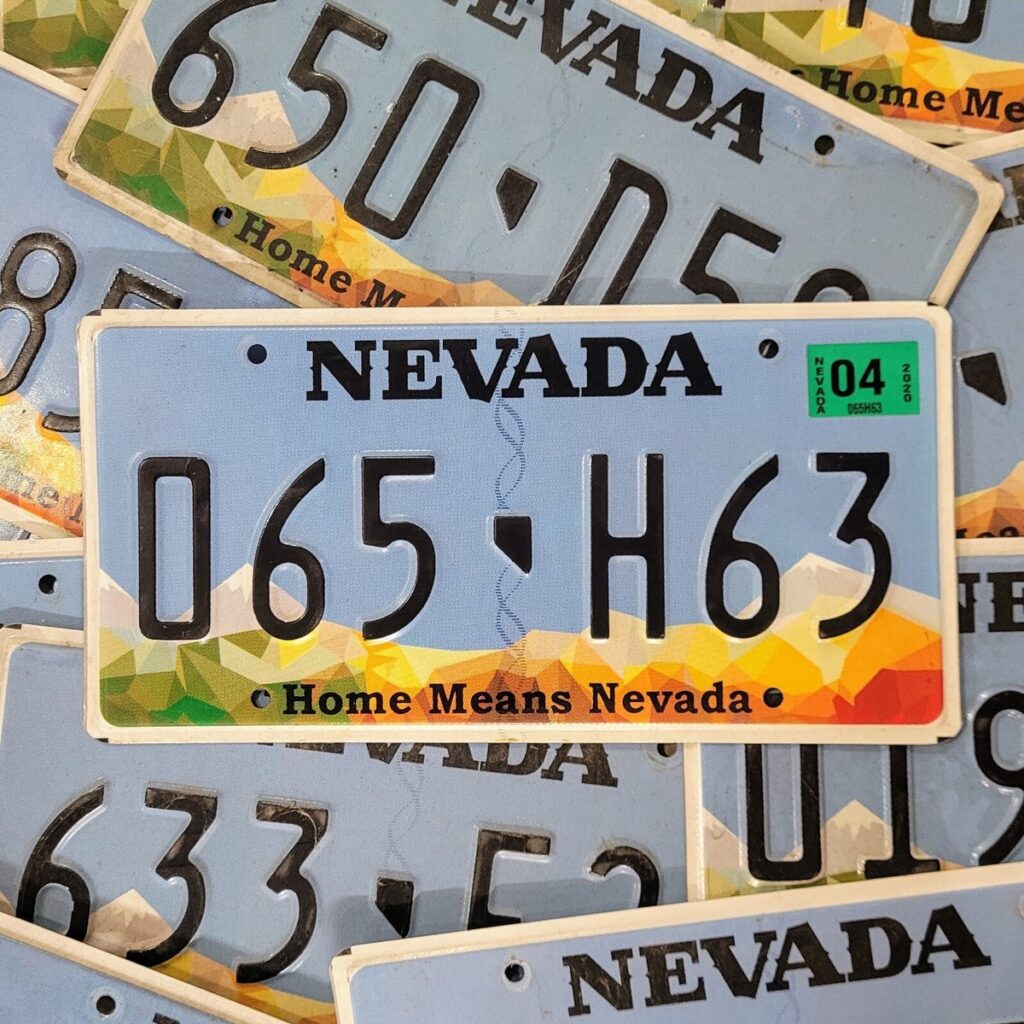
If you've just moved to Las Vegas or Henderson and renewed your car registration for the first time, you probably did a double take. Nevada's bill isn't a flat fee like the $50 or $75 sticker you might be used to elsewhere — it's three separate charges stacked together, and for a newer or higher-value vehicle, the total can run into the hundreds. Here's how that number gets built, why it's structured the way it is, and what Nevada residents get in return for paying it. How the Bill Is Actually Built Nevada registration is really three line items, according to the Nevada DMV: a flat Registration Fee, a value-based Governmental Services Tax (GST), and, in some counties, a Supplemental GST. Registration Fee: $33 for most passenger cars, regardless of the vehicle's value. It funds state road construction and the DMV's own operating budget. Governmental Services Tax: This is the part that surprises people. Nevada values your car at 35% of its original MSRP — not what you paid, and not what it's worth today — then depreciates that figure 5% in year one and 10% each year after, stopping at a floor of 15% of the original valuation. That depreciated number is taxed at 4%, with a $16 minimum. On a two-year-old car with a $20,000 MSRP, that alone comes to roughly $238 a year. GST money funds local governments, school districts, and the state General Fund. Supplemental GST: Clark and Churchill counties — which covers Las Vegas and Henderson — add a voter-approved extra 1% earmarked specifically for highway construction. On that same $20,000 vehicle, that's roughly another $60. Why It Feels Steeper Than Other States Most states charge a flat or weight-based registration fee that has nothing to do with what your car is worth. Nevada's GST is closer to a de facto property tax on the vehicle itself — and because it's based on original MSRP rather than depreciated resale value, a used luxury car can carry a noticeably bigger bill than its actual market value would suggest. The underlying reason is simple: Nevada is one of a handful of states with no personal income tax. Something has to fund schools, local government, and roads instead, and the GST — alongside sales and gaming tax — does part of that job. Tax Foundation data bears this out: Nevada's income tax burden is zero, but its combined sales and excise tax burden is among the highest in the country. It isn't a uniformly low-tax state — it's a state that collects differently, and vehicle owners feel more of that at the DMV counter than they would elsewhere. What You're Not Paying Because of It The trade-off is real, even if it doesn't show up on the same bill. Three things Nevada drivers skip because of how the GST is structured: No state income tax. The single biggest offset — every paycheck is free of a state withholding line. No separate annual vehicle property tax bill. A number of states — including Virginia, Missouri, Connecticut, North and South Carolina, and Kentucky — bill car owners a second, separate personal property tax each year, often $200 to over $1,000, on top of a normal registration fee. Nevada folds the equivalent of that tax into the GST you already paid at the DMV, so there's no second bill from the county assessor later in the year. Low overall property tax rates. Nevada's general property tax burden ranks near the bottom nationally, which matters more the longer you own a home here. A Review-Journal report on the state's overall tax burden found Nevada lands in the middle of the pack nationally once every tax is counted — not the lowest, but not the outlier the registration bill alone might suggest either. What This Means If You're Moving Here It's easy to fixate on one line item — the registration renewal that arrives in the mail — without weighing it against the paycheck that never gets an income tax deduction, or the property tax bill that never doubles as a second car tax. For anyone relocating to Las Vegas or Henderson, the honest comparison is the whole cost-of-living picture, not a single fee. That's the same lens worth applying to a home search here: sticker price, HOA dues, and property tax rates can vary block to block across the valley, and the neighborhoods that look most affordable up front aren't always the cheapest once everything is added up. If you're relocating to Las Vegas, Henderson, or the surrounding valley and want a clear-eyed read on the full cost of living — not just the sticker price of a home — reach out to Premier Homes Real Estate; our agents can walk you through neighborhoods, taxes, and total cost of ownership before you commit to a zip code.
Read more
...and Where to Blow off Steam Without Neighbors Calling It In Working from home in the Las Vegas valley is genuinely great, no commute, no state income tax, and a long list of neighborhoods built around exactly this lifestyle. It's also, some days, a lot. So this one's in two parts: where to actually set up shop, and where to go when a bad Zoom call has you wanting to yell into a pillow loud enough that you're worried someone will dial 911 on your behalf. What Actually Matters for a Home Office Here Before the neighborhood-by-neighborhood breakdown, the unglamorous but genuinely important part: internet infrastructure. Cox covers most of Clark County with plans up to 500 Mbps around $80 a month, and CenturyLink/Quantum Fiber reaches parts of Summerlin and Henderson at gigabit speeds for around $65 a month. Coverage varies block by block more than people expect, so it's worth checking serviceability at a specific address before you assume your dream house has fiber just because the listing says "high-speed available." And remember, Starlink now runs about $50 to $120 a month depending on speed tier, plus a one-time dish, and performs close enough to cable for real remote work that it's worth keeping as a backup option even if you're not counting on it as your primary connection. Summerlin: The Default Answer, for Good Reason Summerlin shows up on every version of this list because it earns it: quiet, master-planned streets, strong fiber coverage, and a growing bench of remote-work-friendly spots. The Coop Cowork on Village Center Circle caters to freelancers and small business owners who want community without the corporate office feel, and Regus in Downtown Summerlin covers private offices and meeting rooms if you need to look more buttoned-up for a client call than your kitchen table allows. Henderson: Green Valley, Anthem, and Inspirada Henderson's master-planned communities, Green Valley for families, Anthem for active professionals, and Inspirada for newer construction, offer the same suburban-quiet formula as Summerlin with a slightly different feel and, often, more house for the money. If you need to get out of the house occasionally, Henderson's Water Street District downtown and the coworking spot at Horizon Ridge both work well, the latter especially if you need a client-ready conference room on short notice. Downtown Las Vegas Arts District: For the Anti-Suburb Crowd Not everyone wants a quiet cul-de-sac, and the Arts District downtown is the real answer for remote workers who want walkability, coffee shops, and a genuinely creative, social scene instead of a quiet street. WeWork at Town Square and Work in Progress both serve that crowd well, and there's an active local remote-worker community built around informal coworking days and happy hours if you want the social side of an office without an actual office. Lake Las Vegas: Resort Quiet with a Professional Backup Plan If suburban quiet still feels a little too suburban, Lake Las Vegas is its own category entirely. It's genuinely isolated in the best way: you can walk or take a golf cart from your own house to MonteLago Village or one of the community's country clubs for a meal without ever getting in a car, and the same trail network we covered in Part 7 and Part 8 of our Getaways series is right there if you need to walk a problem out and think through an answer instead of staring at a screen. The one thing a fully residential resort community usually lacks, a professional space to meet a client, isn't actually a gap here: Lake Las Vegas has two full-service hotels, The Westin Lake Las Vegas Resort & Spa and the Hilton Lake Las Vegas Resort & Spa, both with real meeting rooms and business facilities, so you're never more than a short golf cart ride from somewhere you can actually put on a blazer and look like you have an office. It's a genuinely unusual combination for this valley: the isolation of a resort with a built-in fallback for the parts of remote work that still need a room and a table. When the Day Gets to Be Too Much (Without Alarming the HOA) Now for the part you actually asked about. If you need to physically get something out of your system without your neighbors peering over the fence, Las Vegas has options built for exactly this. Sin City Smash is a legitimate rage room, smash plates, TVs, even a car if you spring for it, in a padded, supervised space built to absorb exactly the kind of noise that would otherwise get a text from your HOA. On the calmer end, IMR Float in Henderson offers float tanks, infrared sauna, cold plunge, and sound baths, total sensory shutdown, no yelling required, and genuinely private. If you'd rather punch something with a professional watching your form, CKO Kickboxing runs beginner-friendly classes built around exactly this kind of stress release, with a free trial class if you want to test it before committing. And if you just need wide-open space and don't want to spend anything, this is where we'll shamelessly point back to our own Southern Nevada Getaways series: Valley of Fire from Part 2 or Clark County Wetlands Park from Part 7 will both get you far enough from other people that you can yell into the desert air and nobody's calling anybody about it. The Real Estate Angle: Privacy Is a Feature, Not Just a Preference Here's where this actually connects to house hunting: how much freedom you have to blow off steam at home, build a home gym, put in a punching bag in the garage, or just pace around the backyard yelling at your phone, depends a lot on lot size and HOA rules, not just square footage. Larger lots in communities like Anthem, Inspirada, and Seven Hills tend to come with more physical distance from the next house and more relaxed rules about what you can do in your own backyard. Tighter Summerlin villages and townhome-style HOAs often look and feel calmer, but they also mean closer neighbors and stricter noise and modification rules. Neither is wrong, it depends on whether you want a rage room built into your garage or you'd rather just drive to one. If working from home, and occasionally losing it a little, is part of your actual lifestyle plan, that's worth bringing up with your agent early, not after you've closed and discovered your new HOA has opinions about home gyms. Premier Homes Real Estate can help you weigh lot size, HOA rules, and internet availability alongside the usual bedroom-and-bathroom count. Working remotely and house hunting in Las Vegas or Henderson? Contact Premier Homes today — our Real Estate, Business Brokerage, and Property Management teams work together so you get the whole team's knowledge, not just one agent's.
Read more
Several of us on the Premier Homes team come at this one personally, as veterans and as military kids who grew up moving every few years. We know the mindset: the compressed house-hunting leave, the PCS orders that don't leave much room for a slow decision, the instinct to research everything twice before trusting anyone with it. We also work closely with VA-loan specialist lenders who handle this every day, so this is the guide we'd actually hand a friend who just got orders to Nellis. The VA Loan Advantage A VA loan still does what it's always done best: it lets eligible veterans, active-duty service members, and some surviving spouses buy with no down payment and no private mortgage insurance. For 2026, first-time users pay a 2.15% funding fee with zero down, which drops to 1.5% with 5% down and 1.25% with 10% down. Veterans receiving VA disability compensation at any rating, along with Purple Heart recipients, are exempt from the funding fee entirely. And while VA loans technically have a $832,750 baseline limit for most counties in 2026, veterans with full entitlement can actually finance above that with no down payment in most cases, since the VA effectively removed hard loan limits back in 2020. The Hidden Superpower: Assumable Loans This is the part most people don't know, and it matters a lot right now: every VA loan is assumable by law, meaning a qualified buyer can take over the seller's existing loan, interest rate and all. With average rates sitting around 6.5% in 2026, a VA loan that was originated back when rates were in the 2.5% to 3.5% range can save a buyer several hundred dollars a month on a comparable balance. The assumption funding fee is just 0.5%, and any creditworthy buyer can assume the loan, veteran or not, though a veteran-buyer using their own entitlement frees up the seller's entitlement immediately. It's a genuinely underused tool on both sides of a transaction, and it's worth asking about whether you're buying or selling. Nevada's Veteran-Friendly Tax Picture Nevada has no state income tax at all, which matters more than people expect once military retirement pay enters the picture, that pension isn't taxed here the way it would be in many other states. On top of that, Nevada offers a veterans' property tax exemption for any veteran with 90+ consecutive days of active duty and an honorable discharge, and a separate, larger exemption for veterans with a permanent service-connected disability: $18,200 of assessed value at 60-79% disability, $27,300 at 80-99%, and $36,400 at 100% for the 2026-27 fiscal year. These stack with other savings, and they're worth asking your lender or a tax professional about directly since eligibility details can shift year to year. Where Military Families Actually Live Most Nellis-assigned families end up in a handful of spots depending on commute preference. Sunrise Manor sits closest to the base, often around a 12-minute drive to the gate, with a mix of established and newer homes. North Las Vegas, just west of the base, runs about 15 minutes and offers more new construction. Aliante, a master-planned community further north, runs closer to 18 minutes but tends to come with higher price points and more amenities. For families assigned to Creech Air Force Base near Indian Springs, about 45 miles northwest of Las Vegas along US-95, most either commute from northwest Las Vegas or use Nellis-area housing and make the longer drive, since Indian Springs itself is a very small town without much housing stock of its own. What BAH Actually Buys Here For 2026, Basic Allowance for Housing at Nellis runs $2,070 a month for an E-5 with dependents, with rates scaling up by rank from there. Combined with a zero-down VA loan, that monthly housing allowance often covers a meaningful chunk of a mortgage payment on a home in the $350,000 to $450,000 range, depending on rate and taxes, though it's worth running your specific numbers with a lender before you start touring, since BAH varies by rank and dependency status and the math changes fast. Timing a PCS Move the Right Way House-hunting leave is short, so the families who have the smoothest moves usually get pre-approved before they land, line up a few homes to see in person ahead of time, and work with an agent who already understands PCS timelines rather than explaining the process from scratch. If you're arriving from overseas or dealing with a compressed report date, ask your lender early about remote closing options and whether a VA appraisal timeline will actually fit your move window; that single conversation avoids most of the last-minute stress we see. This is genuinely one of our favorite conversations to have, not just because we understand VA loans and the local base geography, but because a lot of us have lived this exact move ourselves. If you've got orders to Nellis or Creech, or you're a veteran or military retiree settling in the valley for good, Premier Homes Real Estate can walk you through your VA loan options, connect you with lenders we trust, and help you figure out which side of the valley actually fits your commute and your family. PCSing to Nellis or Creech, or settling into retirement anywhere in the Las Vegas valley? Contact Premier Homes today — our Real Estate, Business Brokerage, and Property Management teams work together so you get the whole team's knowledge, not just one agent's.
Read more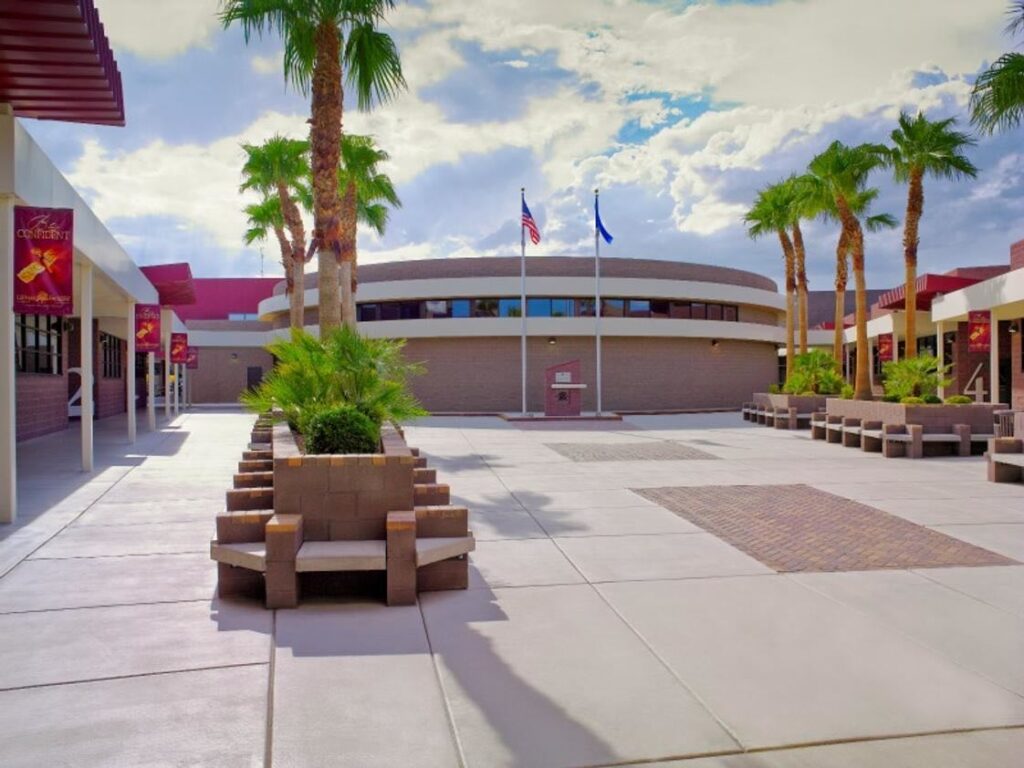
Almost every family we work with eventually asks some version of the same question: what school is this house zoned for? It's a fair question, but in the Las Vegas valley it's only part of the picture. Between traditional zoned schools, magnet programs, a fast-growing charter sector, and a real private school market, where your kids actually end up going to school often has less to do with your address than most buyers assume. Here's how the four options actually differ. Public Schools and CCSD Zoning The default is the Clark County School District, the fifth-largest school district in the country, serving roughly 277,000 students across 373 schools countywide. Every address in the valley is zoned to a specific elementary, middle, and high school based on attendance boundaries that CCSD periodically redraws as neighborhoods grow, so the zoned school for a given house can change over time even if the house doesn't. You can look up the exact zoned schools for any address using CCSD's zoning tool, and it's worth doing before you fall in love with a listing, not after. Open Enrollment: Applying Outside Your Zone CCSD also runs an open enrollment program that lets families apply to a non-zoned public school if it has open seats, without having to move. It doesn't guarantee a spot, popular schools fill up, and transportation typically becomes the family's responsibility, but it's a real option worth knowing about if a specific zoned school isn't the right fit. This is different from magnet and charter admission, which we'll get to next, and it runs on its own separate application window each year. Magnet Schools: Public, Specialized, Application-Based Magnet schools are still part of CCSD, still free, and still public, but they're built around a specific academic focus, arts, STEM, career and technical training, International Baccalaureate, and admission is by application rather than address. The district currently has roughly 40 schools running 41 magnet programs, and several are nationally recognized: Advanced Technologies Academy is ranked the top public high school in Nevada, and Las Vegas Academy of the Arts and Northwest Career and Technical Academy both regularly place among the state's best. Applications for the 2026-2027 school year closed January 9, 2026, so this is very much a plan-a-year-ahead kind of option; check magnet.ccsd.net for the next application window. Charter Schools: Independently Run, Publicly Funded Charter schools are also tuition-free and open to any resident, but they're independently operated rather than run by CCSD, and admission generally works by lottery rather than zoning or application review. Nevada's charter sector has grown fast, from 15 campuses in 2011 to roughly 81 by 2023, and in the valley it's dominated by a handful of large networks: Somerset Academy of Las Vegas runs seven campuses with a waitlist of over 9,000 students, and Coral Academy runs another seven campuses serving about 5,500 students with a waitlist north of 5,000. Waitlists that long tell you something real about local demand for options outside the zoned system. There's also a genuinely new development worth knowing about: the City of Henderson was approved as a charter school authorizer for the first time, alongside North Las Vegas, and Henderson's first city-sponsored charter, a Hebrew-language immersion school, is set to open for the 2026-27 year. Private Schools: Tuition, Affiliation, and Choice Scholarships Private schools sit entirely outside the public system, set their own admissions standards, and charge tuition, though costs vary widely by school and religious affiliation. The Meadows School, a nonsectarian PreK-12 school with a 100% college acceptance rate, runs around $33,180 a year. Bishop Gorman, the valley's well-known Catholic college-prep high school, runs closer to $15,400 to $16,800 depending on parish affiliation, and Faith Lutheran, one of the largest private schools in the state with more than 2,000 students on its Summerlin campus, runs around $16,275. On the Henderson side, families around the Cadence master plan generally point to two options: Lake Mead Christian Academy, a PreK-12 school founded in 1989 sitting right on Cadence's northern boundary along Lake Mead Parkway, with tuition running roughly $9,400 to $10,600 depending on grade, and American Heritage Academy, a PreK-12 Christian school a few miles away on Olympic Avenue, with tuition around $7,800 a year. Neither sits literally inside the Cadence master plan, both are near it and commonly considered by families house hunting in that part of Henderson, so it's worth confirming actual drive times rather than assuming either one based on name recognition alone. For families with financial need, Nevada's Opportunity Scholarship program can offset up to roughly $10,094 per student toward private tuition for households at or below 300% of the federal poverty level, though the statewide funding pool is capped and covers well under 1% of Nevada's K-12 population. Worth noting: Governor Lombardo announced in January 2026 that Nevada will also opt into a new federal tax credit scholarship program, which could expand access further as it rolls out. Why This Matters When You're House Hunting The practical takeaway is that a zoned school assignment is real and does affect day-to-day logistics, but it isn't the only door into a good school in this valley. A family set on a specific magnet program, charter network, or private school has real flexibility to choose a home based on commute, budget, and lifestyle rather than being boxed in by one zoned school's boundary lines, provided they understand the application timelines and waitlists involved. On the flip side, buyers who do want to lock in a specific zoned public school need to verify current boundaries before writing an offer, since CCSD does redraw them from time to time. This is exactly the kind of question our team fields constantly, and it's genuinely more nuanced than most online listings make it look. Premier Homes Real Estate can help you weigh a home's zoned school against the magnet, charter, and private options actually within reach for your family before you commit to a neighborhood. Buying or selling in Las Vegas, Henderson, or anywhere in the valley and want a clearer picture of your school options? Contact Premier Homes today — our Real Estate, Business Brokerage, and Property Management teams work together so you get the whole team's knowledge, not just one agent's.
Read more
Have You Seen? Welcome to our Southern Nevada Getaways, Part 1: The Bighorn Sheep of Hemenway Park Southern Nevada is full of places worth the drive, and not all of them show up on a real estate flyer. We're starting a new series here on the Premier Homes blog highlighting the spots around the valley that make this such an interesting place to put down roots — starting with one of the strangest and best: a city park in Boulder City where wild desert bighorn sheep just show up to graze. A Backyard Herd Like No Other Hemenway Park, at 401 Ville Drive in Boulder City, looks like any other neighborhood park at first glance — ball fields, picnic tables, a playground. Then a herd of desert bighorn sheep wanders down out of the River Mountains and starts grazing on the lawn a few feet from the swing set. It's one of the only places in the country where you can watch a wild bighorn herd this close, without a hike, a permit, or a telephoto lens. The herd has included rams with full curled horns, ewes, and lambs, though its numbers have thinned in recent years due to a long-running pneumonia outbreak that Nevada wildlife officials have been tracking since 2013. Best Time to Visit Early morning or evening are your best bets, especially between April and October, when the surrounding hills dry out, and the sheep come down for the park's irrigated grass and water. Sightings are never guaranteed — these are wild animals that come and go on their own schedule, not park mascots. One thing to know if you're planning a trip soon: rutting season runs roughly July through September, when rams get more competitive and occasionally spar head-to-head. The Nevada Department of Wildlife has specifically asked visitors to keep extra distance during this stretch. Getting There and Playing by the Rules The park is open 6 a.m. to 10 p.m. daily. From US-93, about 5.5 miles west of Hoover Dam, turn north at the gas station onto Ville Road, and the entrance is a quarter mile up on the right. A few rules matter here: no dogs, even on a leash, it's a city ordinance. Don't feed the sheep. Keep a respectful distance rather than walking into the herd, and give them room to reach shade, especially near the park's two large trees. If a sheep starts lifting its hooves or flicking its tail, it's stressed — back off, since spooked sheep sometimes bolt toward nearby roads. The selfie photos are not worth the danger, back up and try another shot! Make a Morning of It: Breakfast at The Coffee Cup Since the sheep are most active early, pair your visit with breakfast at The Coffee Cup, a Boulder City institution at 512 Nevada Hwy, about ten minutes from the park. It's open 6 a.m. to 2 p.m. daily, so it lines up perfectly with a morning sheep-watching trip, and it's been a local favorite since 1994 (and a stop on Diners, Drive-Ins and Dives) for dishes like huevos rancheros, peanut butter pancakes, and pork chili verde. Expect a wait on weekends — it's consistently rated the top restaurant in town for a reason. Why Boulder City Feels Different — and Why That Matters for Buyers A park where bighorn sheep graze next to the playground isn't an accident of geography — it's a reflection of how Boulder City has chosen to grow. The city has operated under a voter-approved growth control ordinance since 1979 that caps new residential building permits at roughly 120 per year and requires a public vote before the city can sell significant land. Boulder City is also the only city in Nevada where gambling is prohibited by charter, and hotels are capped at 35 rooms. The result is a small, deliberately unhurried town twenty-some minutes from the Strip, with a housing supply that simply doesn't expand the way the rest of the valley does. For buyers who want that kind of quiet, wildlife-next-door lifestyle without leaving the Las Vegas metro entirely, that scarcity is worth understanding before you start touring — inventory here tends to move differently than in Henderson or Summerlin, and pricing per square foot often runs at a premium precisely because supply is capped by law, not by the market. If Boulder City's slower pace has you curious about what's actually available near Hemenway Park or elsewhere in town, Premier Homes Real Estate can walk you through what a limited-inventory market like this means for your search and your offer strategy. And if you're weighing Boulder City against a rental first, Premier Homes Property Management can help you find something in town while you decide. Can't make it out this week? Boulder City streams a live Ram Cam so you can check in on the herd from anywhere. We'll be back soon with the next stop in this series — Southern Nevada has a lot more worth the drive than one park full of sheep. Thinking about a move to Boulder City, Henderson, or anywhere else in the Las Vegas valley? Contact Premier Homes today — our Real Estate, Business Brokerage, and Property Management teams work together so you get the whole team's knowledge, not just one agent's.
Read more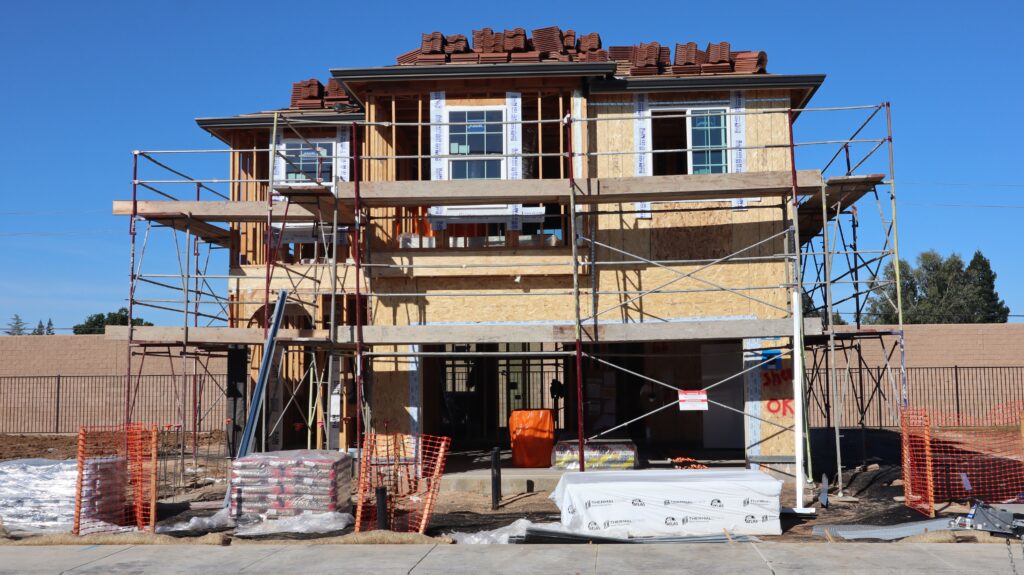
Don't fear the rate. Use it. Right now, builders are the ones sweating over interest rates, not buyers, and that's putting real leverage in your hands. At Premier Homes Real Estate, we're always ready to help buyers find the perfect resale home in Las Vegas, Henderson, and the surrounding valley. But right now, new construction has some real advantages worth a serious look before you settle on resale alone. Here's what our new home specialist wants buyers to know. A Warranty, and Time on Your Side A brand-new home comes with a builder warranty covering major systems and structural components, plus the simple fact that everything is, well, new. Most builders follow a similar structure: roughly a year of coverage on workmanship and materials, a longer window on major systems like plumbing and electrical, and an extended structural warranty that can run a decade. Buyers also get time built into the process, from the walkthrough to the first months of move-in, to catch and flag problems before they become expensive surprises. Resale homes can absolutely be a great fit, but they don't come with that same safety net. Builders Are Buying Down the Rate Many builders are offering interest rate buydowns to keep buyers moving, whether that's a permanent rate reduction for the life of the loan or a temporary buydown that lowers payments in the first year or two while a buyer's income has room to grow. Either way, it can mean a meaningfully lower monthly payment than a comparable resale purchase financed at market rate. Price Cuts Are Bringing Even More to the Table Our new home specialist has been tracking pricing across the valley's builder communities, and many builders have cut prices significantly to drive sales traffic. Local market trackers have reported that standing inventory, finished or nearly finished homes still waiting on a buyer, climbed sharply across Southern Nevada earlier this year, and that a majority of valley builders are now running some kind of incentive program as a result. That's the most aggressive incentive environment the valley has seen in several years, and it's showing up as design-center allowances, closing-cost credits often in the five-figure range, and forward-locked rates on top of the sticker price cuts. Put together, it's a combination resale sellers typically can't match. Builders Are Racing to Close Out the Year Here's a detail buyers often miss: most of the major builders building in Las Vegas are public companies, and their fiscal years don't all match the calendar year. D.R. Horton's fiscal year wraps up September 30, Toll Brothers' on October 31, and Lennar's and KB Home's on November 30, which means several of the valley's biggest builders are already in, or just about to enter, their final quarter. Publicly traded builders report results to shareholders every quarter, and that creates real pressure to move standing inventory before the books close. Combined with the elevated inventory levels across the valley right now, that pressure tends to translate into some of the sharpest deals of the year for buyers willing to move before year-end. Down Payment Help Buyers Often Don't Know About On top of what builders are offering, Nevada still has state-backed down payment assistance available through the Nevada Housing Division's Home Is Possible program. Qualifying buyers can receive a grant of up to roughly 4% of their loan amount to put toward a down payment and closing costs, with no repayment required as long as the buyer stays in the home for at least three years. It's generally aimed at first-time buyers (meaning no home ownership in the past three years) who meet credit score and income guidelines, and it can be paired with a new home purchase. A lot of eligible buyers simply don't know it's there. Our new home specialist can help you check eligibility and see whether it can be stacked with what a builder is already offering. Bring Your Agent on Your First Visit Before you ever step onto a builder's model home lot, know this: you need to bring your Premier Homes Real Estate agent with you on your very first visit to a builder's sales office or model home tour. Builders don't allow representation to be added after that first visit, so if you walk in without your agent, you lose the ability to have him represent you on that community altogether. Registering your agent on day one protects your interests through contract, upgrades, and closing. Resale still makes sense for a lot of buyers, especially when location, lot size, or character can't be replicated new. But between the warranty, the rate buydowns, builders racing to clear inventory before their fiscal year-end, and down payment assistance that's still on the table, new construction deserves a serious look right now. Weighing new construction against resale in Las Vegas or Henderson? Contact Premier Homes Real Estate and ask to work with our new home specialist to see what builders are currently offering and whether you qualify for down payment assistance.
Read more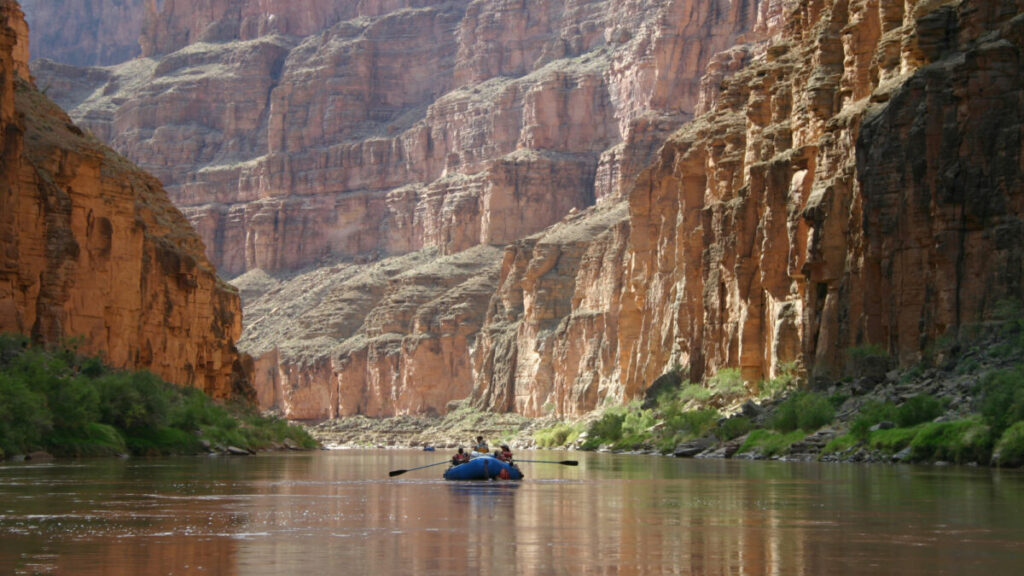
If you've followed the news this summer, you've seen the headlines: Lake Mead hit its lowest water level on record on August 7, 2026, and the federal government is preparing to hand Nevada, Arizona, and California some of the steepest Colorado River cuts in the river's history. For Las Vegas and Henderson homeowners, that's not just a headline — it's a reason more property owners are asking about rain barrels, cisterns, and graywater systems. Here's where the water fight stands, and what's actually legal to do on your own property. The Water Battle, Briefly The Colorado River is carved up by a 1922 Compact that promised 7.5 million acre-feet a year to each of two basins — the Lower Basin (Nevada, Arizona, California) and the Upper Basin (Colorado, Utah, Wyoming, New Mexico). That deal assumed the river could reliably deliver 15 million acre-feet a year. Today it delivers closer to 12.4 million, and two decades of drought and climate change have cut its flow by roughly 20%. On July 31, 2026, the Bureau of Reclamation released its Final Environmental Impact Statement for how the river will be managed after the current guidelines expire. The plan could require Lower Basin states to contribute up to 3.6 million acre-feet a year to keep reservoirs like Lake Mead from collapsing further — with Nevada's own allocation, already the smallest of any of the seven river states, potentially cut by anywhere from one-sixth to as much as two-thirds over the next decade, depending on how the final terms shake out. Upper Basin states, by contrast, would only be asked to contribute 200,000 acre-feet a year between all four of them, and only voluntarily. Nevada and Arizona have called that split disproportionate, and John Entsminger, general manager of the Southern Nevada Water Authority and the state's lead negotiator, has said Nevada will defend its water rights in court if negotiations break down. The Colorado River supplies about 90% of the water used by roughly three-quarters of Nevada's population, so however this settles, it touches nearly every household in the valley. Whether the final deal lands through negotiation or litigation, the direction is clear: less river water is coming to Southern Nevada, and conservation at the household and property level matters more than it used to. The Good News: Rainwater Collection Is Legal in Nevada Nevada actually banned catching rainwater until 2017. Assembly Bill 138 changed that by amending state water law to allow "de minimis collection of precipitation" from the rooftop of a single-family dwelling, without needing a water-right permit. You can direct roof runoff into barrels, totes, or a cistern and use it for nonpotable domestic purposes — irrigation, watering a garden, washing a car, evaporative cooling. You just can't drink it. Tank Size and the Rules That Come With It Here's the catch: Nevada law never spells out an exact gallon limit for rooftop rainwater collection — it just has to stay "de minimis," meaning modest, incidental collection rather than a substitute water supply. A rain barrel or a couple of IBC totes off your gutters is squarely inside that exemption. A bank of large cisterns sized to meaningfully offset your household water use is a grayer area, and could invite a closer look from the State Engineer if it appears to compete with existing water rights. Separately, larger tanks may also trigger Clark County building and fire code requirements around structural support, setbacks, and fire clearance, regardless of the water-rights question. If you're thinking bigger than a backyard rain barrel, it's worth confirming your plans with the Nevada Division of Water Resources and Clark County's building department before you build. What About Graywater? Graywater — the runoff from showers, bathroom sinks, and laundry (not toilets or kitchen sinks) — is also legal to reuse in Nevada, but it's handled very differently from rainwater. Under Nevada Administrative Code 444.837, graywater may only be used for underground/subsurface irrigation, and you need a permit to construct or install the system before you use it. Just as important: graywater can't be stored in above-ground tanks for later use the way rainwater can. It has to be routed to subsurface irrigation, generally the same day it's generated. In Clark County, graywater systems are permitted through the Southern Nevada Health District, which also oversees septic and sewage disposal systems. This Isn't Legal Advice This post is meant to give Las Vegas and Henderson property owners a starting point, not a substitute for professional guidance. Water law is fact-specific, and the rules can shift as the Colorado River negotiations play out. Before you install a large rainwater tank or a graywater system, or if you have questions about how any of this affects your property, talk to the right people. Who to Contact Nevada Division of Water Resources / State Engineer — for questions on water rights and whether a rainwater collection plan stays within the "de minimis" exemption: Nevada Division of Water Resources – water.nv.gov Southern Nevada Water Authority (SNWA) — for updates on the Colorado River negotiations and local conservation programs: Southern Nevada Water Authority – snwa.com Southern Nevada Health District — for graywater and septic/sewage disposal system permits in Clark County: Southern Nevada Health District – ISDS & Graywater Permits Clark County Building & Fire Prevention — for permit requirements on larger storage tanks or cisterns: Clark County Building & Fire Prevention – Main Office State Bar of Nevada Lawyer Referral Service — for a free or low-cost initial consultation with a water-rights attorney: State Bar of Nevada – Lawyer Referral Service What This Means If You're Buying, Selling, or Holding Property Here As Colorado River allocations tighten, water-conscious features — rain barrels, xeriscaping, efficient irrigation — are becoming more than an environmental talking point; they're a practical selling point in a market that's going to keep feeling this pressure. Whether you're weighing upgrades before listing, evaluating a property's water setup before you buy, or just want a property manager keeping an eye on compliance, it helps to have a team that's paying attention to this. Have questions about buying, selling, or managing a property in Las Vegas or Henderson with these water rules in mind? Contact Premier Homes Real Estate or Premier Homes Property Management today — we're happy to help.
Read more
By now, most of the valley has heard about Mama Llama Bakery, the home-based cinnamon roll business that built a devoted following online before Clark County Code Enforcement issued a cease-and-desist order this month. We want to be upfront: we're not taking sides in the dispute between the bakery and the county. What we will say is that we've had the cinnamon rolls, and the hype is earned — the woman is brilliant with a mixing bowl. But her story is a useful jumping-off point for a broader question we hear often from clients: what does it actually take to legally turn a home skill, whether it's baking, sewing, or something else entirely, into a real cottage business in Las Vegas or Henderson? What Happened With Mama Llama According to local reporting, Mama Llama's owner, Lindsay Skolnik, was ordered to halt operations by August 20 after Clark County cited two issues: 1) she did not hold a business license (but she did get her license and many other "official" papers), and 2) customers were picking up orders directly from her home, which violates a county code that prohibits on-site clients at a residence. In response, she launched a Change.org petition asking the county to reconsider how cottage food rules are applied, and it had gathered more than 2,200 signatures within about a day. It's a reminder that going viral doesn't exempt a home business from local rules — and that the rules themselves can be more restrictive than a lot of home bakers, crafters, and makers realize. We're not taking sides on the specific enforcement action, but we do agree with the spirit of the petition: the county should take a fresh look at how these cottage food rules are applied to home businesses like hers. Perhaps the County missed something when they acted so quickly. Source: KVVU / Fox5 Vegas, "Viral Las Vegas cottage bakery gets 'cease and desist' order" Sign the petition on Change.org What Skills Can Become a Cottage Business Cottage industries are not limited to baking. Under Nevada's cottage food law, home producers can sell items like breads, cookies, cakes, candies, jams and jellies, dried herbs, and nut mixes directly to consumers. Beyond food, plenty of home skills translate into a cottage business without ever needing a commercial kitchen: sewing and alterations, custom clothing or quilting, soap and candle making, handmade jewelry, pottery, photography, tutoring, resume writing, pet grooming or sitting, and freelance or virtual assistant services all commonly start at a kitchen table before they become anything bigger. The common thread is that these are low-overhead ways to test whether a hobby has real market demand before committing to a storefront or commercial lease. The Legal Groundwork in Clark County For a home food business, the starting point is registering as a cottage food operation with the Southern Nevada Health District. Nevada caps cottage food sales at $35,000 in annual income, sales have to go directly to the consumer, and every product needs a label stating it was made in a cottage food operation not subject to government inspection. Separately, most home-based businesses — food or otherwise — need a general business license through the jurisdiction where they operate (Clark County, or the City of Las Vegas, Henderson, or North Las Vegas, depending on address) plus a home occupation permit, which typically runs about $50 on top of standard licensing fees. As Mama Llama's situation shows, one of the most commonly overlooked restrictions is that customers generally cannot pick up orders at the home itself — a detail that trips up a lot of well-intentioned home businesses. Don't Forget the HOA County and city rules are only half the picture. Many Las Vegas and Henderson neighborhoods are governed by an HOA, and CC&Rs frequently include their own restrictions on business activity, signage, deliveries, and foot traffic — sometimes stricter than what the county requires. Anyone weighing a cottage business should check both sets of rules before their first sale, not after a complaint from a neighbor. Where Premier Homes Fits In If you're a homeowner sizing up whether your property and HOA allow a home-based business, our Premier Homes Real Estate and Premier Homes Property Management teams can help you understand what's realistic before you invest time and money into a new venture. And if a cottage business outgrows the kitchen table and it's time to look at commercial kitchen space, retail, or a small storefront, that's exactly the kind of transition our Premier Homes Business Brokerage team specializes in — valuing a growing business and finding the right leased space for it. Because our three departments meet regularly, clients get the benefit of the whole team's read on the market, not just one agent's opinion. Home-based businesses are one of the lowest-risk ways to find out if a skill can become a livelihood, but they come with real rules attached — county, city, health district, and HOA. Whether you're dreaming up your own cottage bakery, thinking about a home-based alteration business, or wondering if your current property even allows it, getting the groundwork right from day one saves a lot of headaches later. Thinking about starting a home-based business in Las Vegas, Henderson, or the surrounding valley — or ready to find commercial space for one that's outgrown the house? Contact Premier Homes today, and we'll connect you with the right department to get started.
Read more
Walk into almost any new home community in Las Vegas or Henderson today and you'll see the same pitch: a big closing cost credit, an attractive rate buydown, maybe a design center bonus — all tied to using the builder's preferred lender. It's a real question buyers face on nearly every new construction purchase, and the right answer depends on the numbers, not the sales pitch. Before You Ever Step Onto the Lot Here's something every buyer needs to know before they set foot in a builder's sales office or tour a single model home: you must bring your Premier Homes Real Estate agent with you on that very first visit. New home builders do not allow a buyer's agent to be added after the fact — representation has to be registered at the door, that first time, or the builder simply won't recognize your agent going forward and you lose that representation entirely. This isn't a detail to sort out later; it's a decision to make before you ever look at a floor plan. The Incentives Are Real Builders across the valley are currently offering meaningful incentives — closing cost credits often in the $10,000 to $25,000 range, rate buydowns (like a 2-1 buydown, or in some cases a permanent buydown), and design center credits. In almost every case, the full incentive package is only available if you finance through the builder's preferred lender. That's a genuine, sometimes significant savings on day one. Where the Trade-Off Comes In The catch is that a preferred lender's rate can run a quarter to half a point above what you might qualify for on the open market. Design center credits are also often marked up well above retail value, so a $15,000 credit may only be worth $5,000 to $7,500 in real upgrades. None of this means the preferred lender is a bad deal — it means the incentive and the interest rate need to be evaluated together, over the life of the loan, not just at closing. How to Decide The only way to know which option actually saves you more is to get a competing quote from an outside lender and compare it side by side with the builder's offer, including the value of the incentive. You are never required to use the builder's preferred lender, and builders cannot legally force you to. Buyers who take the time to run both numbers are the ones who end up with the better deal, whichever direction that turns out to be. Don't Navigate This Alone Builder contracts, upgrade pricing, and incentive fine print are written to favor the builder, not the buyer. Our new home specialist at Premier Homes Real Estate works with buyers through exactly this process, helping them compare lender offers, understand what's negotiable, and avoid the fine print that catches buyers off guard. A builder's incentives can be a genuine advantage — but only when you understand the full trade-off. A little preparation before you ever walk onto the lot makes all the difference. Considering a new build in Las Vegas, Henderson, or the surrounding valley? Contact Premier Homes Real Estate and ask for our new home specialist — he'll walk with you from your very first builder visit through closing, so you get every incentive without losing your own representation.
Read more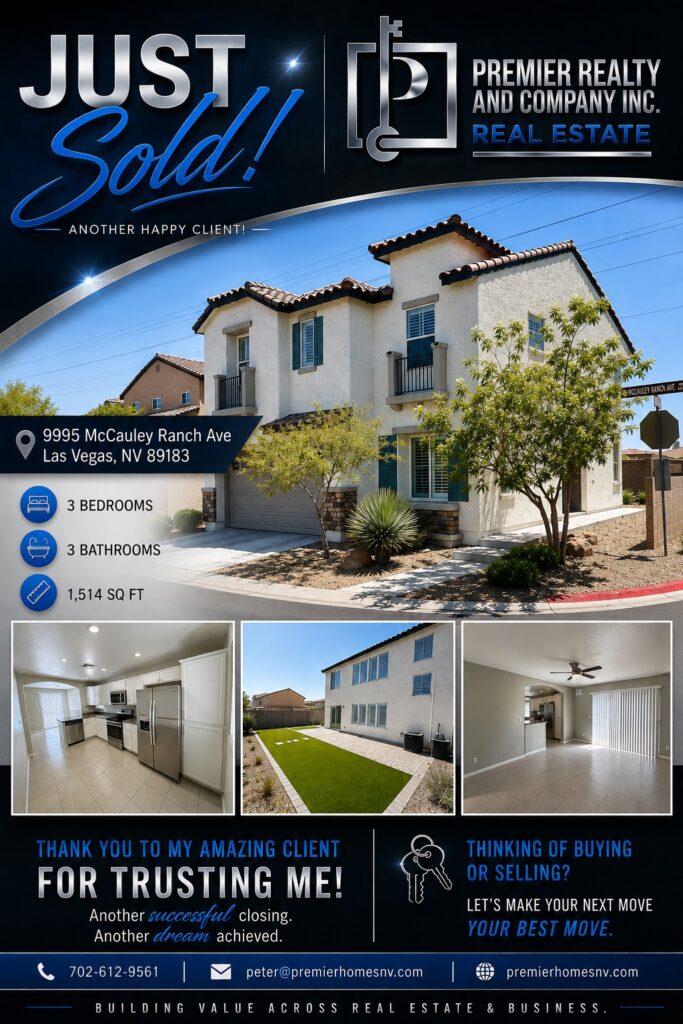
Another one is officially SOLD! We're thrilled to celebrate the successful closing of a home on McCauley Ranch Ave in Las Vegas, NV 89183 — a beautiful 3-bedroom, 3-bathroom home with 1,514 square feet of living space. To our client: thank you for trusting Premier Homes Real Estate with one of the biggest transactions of your life. Watching your dream come together is exactly why we do this. Minimum Effort Isn't in Our Vocabulary In today's Las Vegas market, listing a home isn't enough. Buyers have options, and sellers deserve a team that fights for maximum exposure from day one. That's why every Premier Homes listing gets the full-court press: professional signage that turns heads on the street, open houses that bring real buyers through the door, and a coordinated push from our entire team — not just one agent working alone. Making Sure the World Knows A home only sells for top dollar when the right buyers know it's available. We treat marketing as a promise we make to every seller: your listing won't sit quietly just hoping for a showing. Between targeted outreach, open house events, and boots-on-the-ground signage, we make sure your home is impossible to miss in the neighborhoods where buyers are actually looking. A Full Team, Not Just One Agent This is the Premier Homes difference. Our Real Estate, Business Brokerage, and Property Management departments meet regularly to talk through market conditions, so every client benefits from the perspective of the whole team, not just a single point of view. When you sign with Premier Homes, you're not hiring one agent — you're hiring a boutique firm built to give your sale everything it deserves. Every closing like this one at McCauley Ranch Ave is proof that showing up with real effort — signage, open houses, and a team working together — gets results. Another successful closing, another dream achieved. Thinking of buying or selling in Las Vegas, Henderson, or the surrounding valley? Contact Premier Homes Real Estate today and let's make your next move your best move.
Read more