


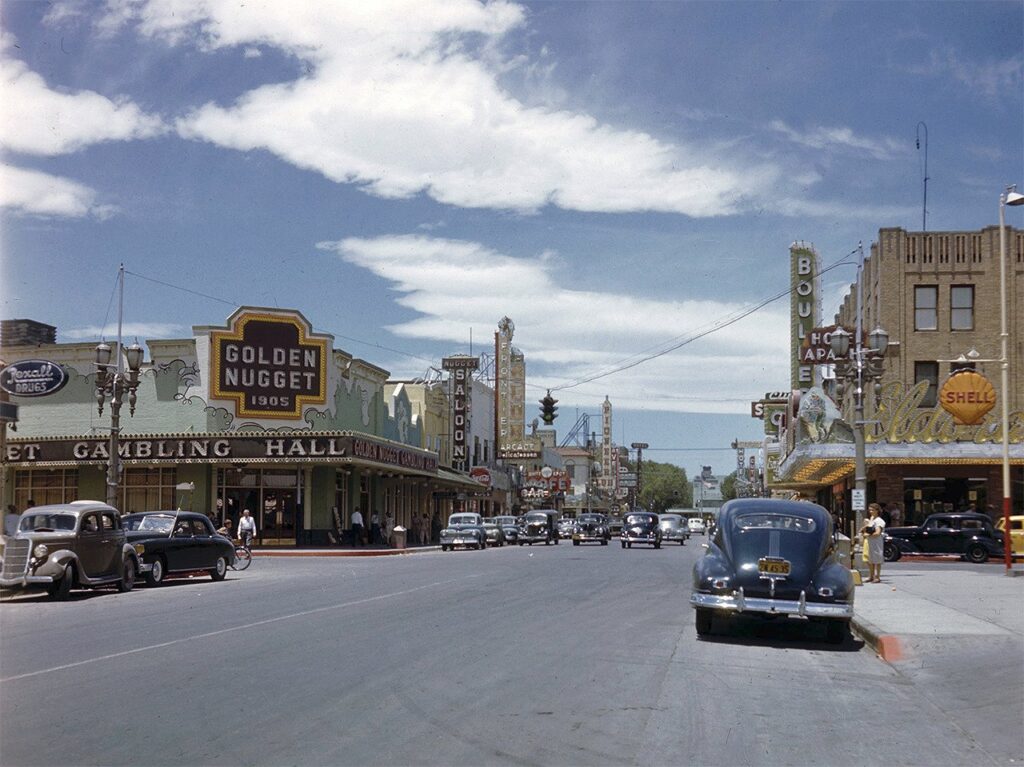
Today the Golden Nugget on Fremont Street turns 80. It opened its doors on August 30, 1946, and it's been throwing deals and specials all month to celebrate. Eighty years sounds like ancient history anywhere else in America. In Las Vegas, it practically qualifies the Nugget for landmark status — because this is a city that has spent seventy-plus years demolishing its own past almost as fast as it builds it. So in honor of the birthday, we dug into why the Nugget is still standing, which building actually beat it to the punch, and why so few of their neighbors made it this far. Eighty Candles, and Counting The Golden Nugget has been downtown since Bugsy Siegel was still alive and the Strip was mostly desert. It's changed hands, expanded, and remodeled more times than anyone can count, but it never got the wrecking-ball treatment — a genuine rarity for a Las Vegas property this old. Eighty years in, it's still one of the anchors of Fremont Street. But it isn't the oldest casino in town. Not even close. The Casino That's Actually Five Years Older That title belongs to El Cortez, which opened on November 7, 1941 — five years before the Nugget — and is widely recognized as the oldest continuously operating casino in Las Vegas. It has had a genuinely wild ownership history: built for $245,000, sold in 1945 to a group that included Bugsy Siegel and Meyer Lansky, bought back by its original owner a year later, and eventually taken over by Jackie Gaughan, who ran it for decades and lived in the tower penthouse until he died in 2014. Current owner Kenny Epstein has poured more than $50 million into the property since 2008 — and, crucially, kept the original neon signage and ranch-style facade largely intact. In 2013, El Cortez earned a spot on the National Register of Historic Places. It didn't survive by staying frozen in time; it survived by continuously reinvesting in the same building instead of leveling it and starting over. That's rarer in this town than you'd think. The Oldest Grand Building in the City Isn't a Casino at All Push the timeline back even further, and you land on Las Vegas High School, whose Art Deco academic building and gymnasium went up in 1930–31 — right around the time Hoover Dam was under construction, and well over a decade before either the Nugget or El Cortez existed. Designed by the Reno firm George A. Ferris & Son, the campus is considered the finest example of Art Deco architecture in the city, dressed up with a distinctive "Aztec Moderne" flourish in its stucco medallions and friezes. It was added to the National Register of Historic Places in 1986, with the historic district expanded as recently as 2022. Rather than get bulldozed for condos or a parking garage, the campus found a second act: since 1993, it's been home to the Las Vegas Academy of International Studies and Performing Arts, a magnet school that still fills those 1930s hallways with students every day. Meanwhile, Vegas's Real Hobby: Blowing Things Up Set those three survivors against everything else, and a pattern jumps out. Las Vegas doesn't renovate — it implodes. The Dunes came down in 1993 to make way for Steve Wynn's Bellagio and its fountains. The Stardust followed. Most recently, the Tropicana was imploded in October 2024 to clear the site for a new baseball stadium, and even the Mirage — itself once the height of 1990s luxury — has been getting torn into for its Hard Rock guitar-hotel makeover. As the Neon Museum notes, the pattern usually comes down to the same few forces: an aging property can't compete with flashier new neighbors, modernizing the existing structure costs more than starting fresh, the land underneath is worth more than the building on it, and Vegas's entire business model runs on novelty — nobody flies in for a casino that looks like it did in 1985. Preservation has just never been part of the math. Why the Survivors Survived What saved the Golden Nugget, El Cortez, and Las Vegas High School wasn't luck — it was the same move each time: owners (or, for the school, the district and the state) chose to keep reinvesting in the original building instead of clearing the lot. National Register status helped lock that decision in for El Cortez and the high school. For the Golden Nugget, it's simply never made business sense to tear down a Fremont Street anchor that already draws a crowd. Everywhere else in town, the economics have pointed the other way — which is exactly why implosions have become such a Las Vegas tradition that locals show up with lawn chairs to watch them. It's a fun bit of trivia, but it also says something real about buying here: in a city defined by reinvention, a property's age can be a feature, not a red flag — and knowing which neighborhoods and buildings have that kind of staying power is exactly the kind of local knowledge that makes a difference when you're choosing where to put down roots in Las Vegas or Henderson. Curious what a piece of Las Vegas or Henderson history — or a brand-new build — could look like for you? Reach out to Premier Homes Real Estate any time to talk through neighborhoods, historic districts, and everything in between across the valley.
Read more
Every month, Premier Homes works with buyers who are moving to Las Vegas or Henderson from somewhere else entirely — a job transfer, a retirement plan years in the making, PCS orders that arrived faster than the boxes could get packed, a family finally ready to leave a colder climate behind. Out-of-state buyers face challenges that local buyers never have to think about: they're making one of the biggest financial decisions of their lives in a market they've maybe visited twice. After years of relocation clients, a few lessons keep coming up again and again. Here's what we wish every relocating buyer knew before they started. Bring Your Agent to the Model Home Before You Ever Walk In If a new construction community is anywhere on your list, the single most important thing to know is timing, not the floor plan. Builders only recognize your buyer's agent if that agent is registered as the agent of record at your very first visit to the sales office or model home — not after you've already fallen for a lot and started talking upgrades. Tour without your Premier Homes Real Estate agent by your side on that first visit, and the builder will not add representation later, which means you lose the guidance you need on upgrade pricing, incentive fine print, and contract terms that are written to favor the builder by default. This is the lesson relocating buyers hear from us first, before we ever talk floor plans. Remote Doesn't Mean Blind Out-of-state buyers are a specialty of our new home specialist, who works with builders both directly and indirectly and structures nearly every part of the process so clients rarely need to be on-site at all. Video walkthroughs of model homes and available lots, DocuSign for contracts and disclosures, and regular phone updates mean he can represent a client who's still finishing out a lease two states away just as thoroughly as one who lives ten minutes from the community. What he doesn't skip, though, is showing up in person himself — he visits construction sites consistently throughout the build so a framing issue or a schedule slip gets caught and resolved before it ever becomes the buyer's problem at closing. Military Moves Come With Their Own Playbook — and We've Lived It A PCS move runs on a different clock than a civilian relocation: orders that can land with only a few weeks' notice, a house hunt that sometimes has to happen while one spouse is still finishing out a duty station elsewhere, VA loan and funding fee questions, and the added weight of deciding between on-base housing and buying in a neighborhood that will hold its value after the next set of orders comes in. Premier Homes has a team member who served in the military himself and another who grew up as a military dependent, moving with his family from base to base. Between them, they've seen firsthand where a PCS move can go sideways — a closing timeline that can't slip because leave was already approved, a lender who doesn't understand VA appraisal quirks, a family trying to house-hunt over video while still stationed overseas — and they know how to get ahead of those problems instead of reacting to them. No one can walk a military family through a relocation quite like someone who's already been the one on the other end of the orders. Your Utility Bill and Tax Bill Both Need a Second Look Clients moving from cooler climates are sometimes surprised by what a Las Vegas or Henderson summer does to a power bill — air conditioning alone can account for 60–70% of a home's summer electricity cost, and a typical single-family home can run several hundred dollars a month between June and September, depending on size and system efficiency. On the tax side, Nevada caps how much a property tax bill can increase each year, but the lower 3% cap only applies to a primary residence if the owner files the owner-occupancy paperwork — otherwise, the home defaults to the higher cap that applies to second homes and rentals. It's a form, not a formality, and it's one of the first things we walk new homeowners through after closing. A Trial Run Through Property Management Can Save You From a Rushed Purchase Not every relocating client is ready to buy the moment the moving truck arrives, and that's fine. Clients who aren't sure which side of the valley fits their commute, school preferences, or lifestyle often rent first through Premier Homes Property Management while they get their bearings, then buy once they actually know the difference between, say, the west side and Henderson rather than guessing from listing photos. It's a lesson we've learned from watching the alternative: buyers who purchase sight-unseen in an unfamiliar area and end up wishing they'd waited three months. One Team, Three Departments, Fewer Surprises Relocation rarely touches just one part of a move. A client might need a home, a rental for the interim, or — if they're bringing a business or franchise concept with them — commercial space to lease. Because Premier Homes Real Estate, Premier Homes Business Brokerage, and Premier Homes Property Management meet regularly to compare notes on Las Vegas REALTORS® market data and conditions across the valley, a relocating client benefits from the whole team's read on the market, not just the specific department they happened to call first. Moving across state lines is stressful enough without also having to become an overnight expert on a market you've never lived in. These are the lessons our relocation clients have taught us over the years, and they're the same things we walk every new client through, whether they're touring in person or watching from a laptop a thousand miles away. This is the same guidance we give every relocation client — not a one-time blog tip — and Premier Homes is always available to talk through a move to Las Vegas, Henderson, or anywhere in the surrounding valley, whether you're actively house hunting or still a year out. Reach out to Premier Homes Real Estate, Premier Homes Property Management, or Premier Homes Business Brokerage whenever you're ready, and let our new home specialist and the rest of the team make relocating from out of state feel a lot less like a leap of faith.
Read more
“Las Vegas is sort of like how God would do it if he had money.” — Steve Wynn, who opened The Mirage in November 1989 Longtime residents remember walking into The Mirage and finding white tigers, white lions, and dolphins right on the property at Siegfried & Roy's Secret Garden and Dolphin Habitat. Steve Wynn opened The Mirage in November 1989, and the Secret Garden followed a year later, forever tying Siegfried & Roy's stage act to a piece of Strip real estate. It's the same restless spirit Elvis Presley bottled up in “Viva Las Vegas” decades earlier, a city built to never quite sit still. So when the Secret Garden and Dolphin Habitat closed for good under Hard Rock International's new ownership, with the animals relocated to accredited facilities elsewhere in the country, it wasn't really the end of an era so much as Las Vegas doing what Las Vegas does. Here's where the valley's animal encounters live today, big to small, along with a bit of history and a few tips for visiting each one. The Strip's Aquarium Standout Shark Reef Aquarium at Mandalay Bay is the closest thing left to the old Mirage's scale. It's the only Nevada attraction accredited by the Association of Zoos and Aquariums, home to more than 3,400 animals across roughly 140 species, including 14 shark species, rays, and reptiles. Visitor tip: book timed tickets online ahead of a busy weekend for a better price and a shorter line, and aim for right after opening if you want the shark tunnel to yourself. A Real Working Wildlife Ranch in Henderson Lion Habitat Ranch in Henderson is a genuine sanctuary, not a photo-op storefront, and its lions carry their own Strip history. MGM Grand opened a $9 million, three-story lion habitat in 1999 that let guests watch lions from behind glass on the casino floor. MGM closed it in January 2012 after a string of safety incidents, and every lion moved full-time out to the ranch in Henderson, which had already been housing them part-time since 1989. Giraffes and ostriches round out the property today. Visitor tip: check the ranch's website for current operating days before driving out, since it's a working ranch rather than a daily attraction, and most of it is outdoors, so a cooler morning beats the afternoon heat. Free and Easy Right on the Strip The Flamingo Wildlife Habitat is a low-key, free stop tucked into the Flamingo's grounds on Las Vegas Boulevard, a four-acre garden with flamingos, pelicans, and koi. The animals are actually newer than the hotel itself. Legend credits Bugsy Siegel with dreaming up the Flamingo when it opened in December 1946, but Hollywood Reporter founder Billy Wilkerson conceived the resort and gave it its name a year earlier; Siegel only took over once Wilkerson ran short on financing. The live flamingos and the habitat came later, as the resort's gardens grew into the free wildlife stop that's still there today. Visitor tip: keeper talks run a few times a week, so check the schedule posted at the entrance, and plan for about 20 to 30 minutes if you're squeezing it between other Strip stops. Native Wildlife Just Off the Strip Springs Preserve is arguably the oldest wildlife spot in the valley, just not in the way most people expect. The natural springs on this site are why the Southern Paiute people settled here long before Las Vegas existed, and why Spanish traders passing through on the Old Spanish Trail later named the lush, spring-fed land “Las Vegas,” literally “the meadows.” Often called the birthplace of Las Vegas, the preserve today is home to native desert species, including frogs, lizards, foxes, and Gila monsters, a living tie back to the land that made the city possible in the first place. Visitor tip: wear comfortable shoes for the outdoor trails, and lean on the indoor exhibits during the hottest months, since a good portion of the preserve is air-conditioned. Sanctuary Farms Worth the Drive For anyone who specifically wants the old-fashioned barnyard experience, a few nonprofit rescue farms fill that role well. The Las Vegas Farm on West Grand Teton Drive is open Saturdays and Sundays, 10 a.m. to 4 p.m., for $5 a person, with chickens, peacocks, ducks, goats, pigs, horses, cows, a llama, and tortoises on-site, plus a weekend farmers market. Gilcrease Nature Sanctuary in the northwest valley is open Wednesday through Sunday and gives rescued animals lifetime care, with feeding cups available for the goats and ducks. And All Friends Animal Sanctuary, only about a mile off the Strip, is home to more than 170 rescued farm animals. Jane Goodall summed up what all three of these places are really doing when she wrote, “Only if we understand can we care. Only if we care will we help. Only if we help shall they be saved.” Visitor tip: these are volunteer-run nonprofits, so hours can shift; check each one's website or social media before you go, bring a few extra dollars for feeding cups, and confirm visiting arrangements directly with All Friends Animal Sanctuary before making the trip. What Happened to the Old Pig Farm Longtime locals sometimes ask about RC Farms, the North Las Vegas pig farm famous for recycling Strip buffet food waste into feed for decades. The city's land was sold for development years ago, and the family's operation relocated northeast of the valley near Apex, growing into a much larger commercial operation called Las Vegas Livestock. It's still run by the same family, but it's a working industrial farm today, not a spot set up for visitors. The bigger story here isn't really about animals. It's that Las Vegas keeps surprising the people who think they already know it. This is a valley where a world-class aquarium sits inside a casino resort, a wildlife ranch traces its lions back to a decades-old Strip legacy, a free hotel garden quietly outlives the myths told about the hotel itself, and a nonprofit farm feeding rescued goats operates a mile from the neon. Steve Wynn wasn't exaggerating much. That kind of variety, packed into one valley, is exactly what makes Las Vegas such an exciting and one-of-a-kind place to call home. Whatever draws you to Las Vegas and Henderson, whether it's afternoons at Lion Habitat Ranch, weekends at a rescue farm, or everything else this valley has to offer, the team at Premier Homes Real Estate would love to help you become part of it. Reach out any time to talk about making a home here.
Read more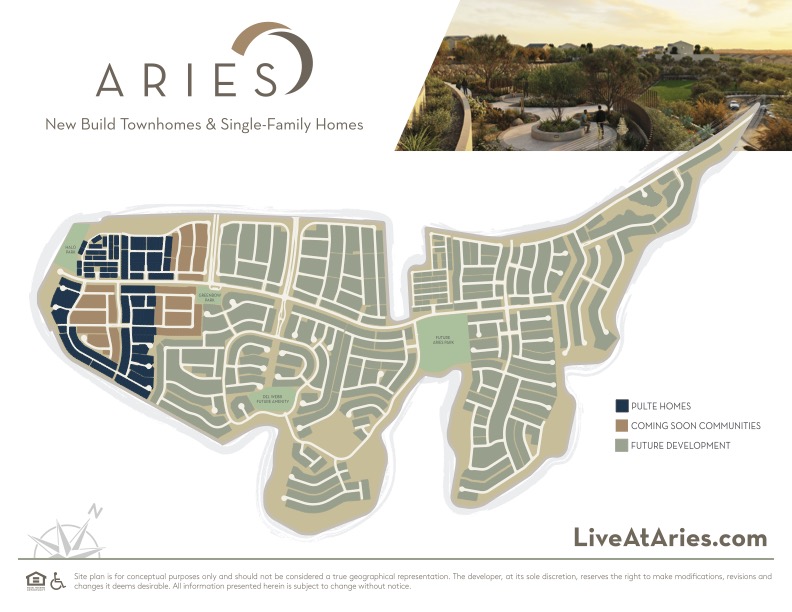
For buyers who see a new home as a basecamp for getting outside, not just a place to park the car, location does most of the heavy lifting. Aries was built with exactly that in mind. Spread across more than 1,100 acres in Henderson and on track for nearly 3,000 homes at full buildout, this master-planned community was designed around trails, open space, and a genuinely spectacular setting instead of squeezing recreation in as an afterthought. I am posting another home tour videofrom inside Aries, and before you watch it, it's worth understanding why this particular stretch of Henderson has become one of the first addresses we point active, outdoor-minded clients toward. Steps From 34 Miles of Trail The River Mountains Loop Trail runs right through this part of Henderson — a paved, 34-mile multi-use path wide enough for road cyclists and walkers to share comfortably, looping around the River Mountains and linking Henderson, Boulder City, Hoover Dam, and Lake Mead into one continuous route. It's the kind of infrastructure that quietly turns "we should get outside more" into something that actually happens, simply because the trailhead is close enough to reach without ever loading up the car. A National Park in Your Backyard Aries also sits just minutes from Lake Mead National Recreation Area — more than 1.5 million acres of desert and water that, back in 1964, became the very first National Recreation Area ever designated by Congress. Between Lake Mead and Lake Mohave, residents have boating, fishing, swimming, and over 200 miles of hiking trails at their disposal, along with some of the clearest night skies you'll find this close to the Strip. Most homeowners don't get a national park for a neighbor. Here, it's simply part of the package. Everyday Shopping, Elevated Errands don't have to feel like a chore when MonteLago Village at Lake Las Vegas is nearby, its lakeside shops and restaurants built for lingering rather than rushing through. For bigger-box needs, it's a short drive to The District at Green Valley Ranch, an open-air lifestyle center with more than 75 stores and restaurants — Whole Foods, REI, and Williams-Sonoma among them — laid out for the kind of walkable, resort-style shopping trip that doesn't feel like a Saturday chore list. The Prestige of Lake Las Vegas Then there's the neighbor right across the street: Lake Las Vegas itself, a resort community built around a 320-acre private lake within a 3,592-acre developed setting, complete with its own marina and waterfront dining. Golfers in particular take notice of Reflection Bay Golf Club, a par-72 course personally designed by Jack Nicklaus in 1998 that stretches more than 7,200 yards through desert terrain with lake views on hole after hole. It's the kind of resort-caliber neighbor that few new communities in the valley can claim, and it's a big part of what makes Aries feel like a destination rather than just an address. Room to Grow: Five Neighborhoods and Still Building Aries is being built out in phases across five distinct neighborhoods — Dalea, Desert Mesa, Oasis Canyon, Sora, and Sundale — with Pulte Homes offering single-family and townhome floor plans and Del Webb bringing a 55+ active adult section online soon. That means buyers touring today are getting in early, while there's still a choice of homesites and pricing that reflects a community just getting started. https://youtu.be/naJF4G6RuR8 A Note for New Construction Buyers: If you tour a builder's sales office or model home in Aries, bring your Premier Homes agent with you on your very first visit. Builders will not add buyer representation after that first visit, so lining up your agent beforehand is the only way to make sure you're represented throughout the process. Whether it's the trail out the front door, the national park down the road, or a Nicklaus-designed golf course a few minutes away, Aries is built around the way an active household actually wants to spend its weekends — and that's exactly why we keep sending clients here to see it for themselves. Ready to see it in person? Contact Premier Homes Real Estate — we're ready to help you explore Aries or any other community across Henderson, Las Vegas, and the surrounding valley, including matching you with our new home specialist if new construction is on your list.
Read more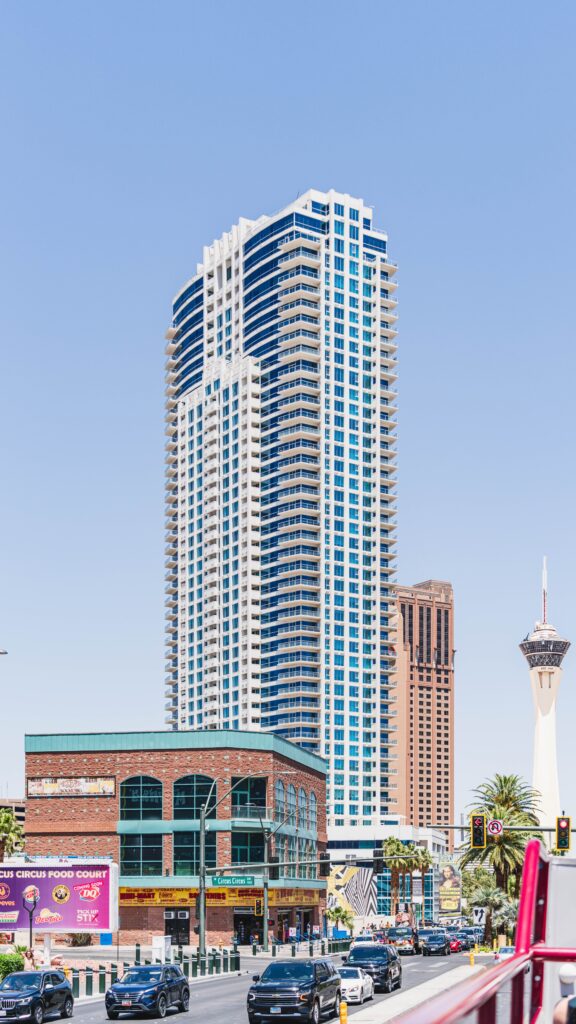
“Cap rate” gets thrown around in real estate conversation as shorthand for “good deal” or “bad deal,” but an investor who wants to screen properties with a spreadsheet instead of a gut feeling needs to know exactly what the number is, why it matters, and — just as important — what it can't tell you. Here's the mechanics of it, before getting into which parts of Clark County actually look attractive on that basis in 2026. What a Cap Rate Actually Measures A capitalization rate is net operating income divided by a property's current market value or purchase price, expressed as a percentage. Net operating income (NOI) is the rent a property collects in a year, minus operating expenses — property management, taxes, insurance, maintenance, HOA dues, and a realistic vacancy allowance — but before debt service (the mortgage payment) and before capital expenditures like a new roof. That last part matters: because cap rate deliberately ignores how a property is financed, it's an “unlevered” number. A house generating $28,000 a year in NOI on a $400,000 purchase price has a 7% cap rate whether it was bought in cash or with a mortgage, which is exactly what makes it useful for comparing two properties that might be financed completely differently. Why Spreadsheet-Driven Investors Lean on It For an investor who wants a repeatable process rather than a house they fell in love with, cap rate is the one number that lets wildly different properties get compared on equal footing — a $300,000 North Las Vegas house against an $800,000 Summerlin West listing against a Strip-corridor condo, all run through the same formula. That's what makes a flowchart-style screen possible in the first place: set a minimum acceptable cap rate, run every active listing in a target area through the calculation, and anything below the line gets filtered out before a showing ever gets scheduled — no neighborhood reputation, no “it feels like it's up and coming” bias creeping into the decision at the top of the funnel. Cap rate also works as a pricing signal in reverse: when cap rates compress in an area, buyers are generally paying more for the same income, usually because they're pricing in expected appreciation or lower perceived risk; when cap rates expand, the market is typically demanding a bigger income cushion against risk. That's exactly why the same price movement can mean two different things in North Las Vegas versus Henderson, which is the whole reason a neighborhood-by-neighborhood look matters more than one citywide average. What Cap Rate Doesn't Tell You Cap rate is a snapshot of one year's numbers, not a forecast — it says nothing by itself about future rent growth, appreciation, or which direction financing costs are headed. It's also entirely dependent on the accuracy of the rent and expense figures fed into it: optimistic rent assumptions or an underestimated vacancy allowance produce a cap rate that looks better than the property will actually perform. That's precisely why a calculation run on one specific address will always beat a neighborhood-wide average, no matter how well-sourced that average is. Context first: Las Vegas isn't the investor magnet it was a couple of years ago. Redfin found that investor purchases in the Las Vegas metro fell 20% year over year in the third quarter of 2025, the steepest pullback among the major metros it tracks. That's a real shift — Las Vegas was, as recently as the third quarter of 2024, one of the metros with the largest share of investor home purchases in the country. Less competition from other buyers on a given house can be an opening for an investor willing to underwrite an area on its current numbers rather than its recent reputation. North Las Vegas: The Cash-Flow Play North Las Vegas overall is running around a $415,000 median sale price, with homes moving in about 46 days on roughly 3.5 months of supply — the most affordable entry point of any major submarket in the valley. Inside North Las Vegas, Aliante has traded around $435,000, up 3.7% year over year, offering planned-community amenities at a noticeably lower price than Summerlin. A lower entry price relative to achievable rent is generally what pulls cash-flow-focused investors to this side of the valley, though it typically comes with more tenant turnover than the premium submarkets. Henderson: A Mixed Signal Right Now Henderson has been marketed for years as the valley's steady, appreciation-first submarket, and the last year of data is a reminder to underwrite current numbers rather than reputation. Zillow shows Henderson home values down roughly 8% year over year, a sharper pullback than Redfin's numbers for the same city, which is itself useful information about a market in transition. At the neighborhood level, Green Valley Ranch sold at a $575,000 median in March 2026, down 7.3% year over year, with homes now taking about 70 days to sell versus 38 days a year earlier — a real slowdown in turnover. Green Valley South was softer still, at a $447,000 median over the three months ending in May, down 10.6% year over year. None of these rules Henderson out for a patient, long-term hold, but it argues against treating the area's reputation as a substitute for current comps. Summerlin: Premium Entry, Two Different Stories Summerlin illustrates why neighborhood-level numbers matter more than a community's overall brand name. Summerlin as a whole priced around $642,000 last month, down 1.5% year over year, but Summerlin West sold around $805,000, up 5.2% year over year, while Summerlin South's average home value sat near $718,682 and roughly flat over the past year. Three sub-areas of one master-planned community, three different trend lines — for an investor, “Summerlin” isn't one market, it's several. Northwest Las Vegas: Three Neighborhoods, Three Signals The northwest corridor tells a similar story to Summerlin, just at a lower price point. Centennial Hills priced around $495,000, up about 1% year over year, with homes selling in roughly 52 days — steady, unremarkable, the kind of market that rewards patience. Skye Canyon, over the three months ending in March, sold at a $592,000 median, up 2.1% year over year, but homes are now taking about 83 days to sell versus 72 a year ago, with sales volume down from 76 homes to 46 over the same stretch — a slower-moving market than the price alone suggests. Northern Terrace at Providence, by contrast, sold around $477,000 with homes moving in just 26 days — the fastest turnover of the three. Same corridor, same general price band, three different absorption stories. Southwest: Enterprise and Spring Valley Enterprise ran a $488,000 median in March 2026, up 1.7% year over year, with a 66-day average time on market, while Spring Valley softened more noticeably, averaging $425,000 last month, down 12.4% year over year, with days on market stretching to 67 from 50 a year ago. Spring Valley's pullback in particular is worth digging into on a specific property before assuming it's still the safe middle path it's been in past cycles. The broader Southwest Las Vegas submarket is worth the same close look rather than a glance at the area's reputation. The Strip High-Rises: A Different Asset Class Entirely Cap rate logic changes almost completely once you leave single-family rentals for a Strip-corridor high-rise. Buildings like Turnberry Place, a four-tower, 720-unit complex technically located in Winchester, an unincorporated Clark County township rather than the City of Las Vegas, are governed first by their own HOA rules and only then by county ordinance. Whether a unit can be rented nightly, monthly, or only on a long-term lease is set building by building at the HOA level — and even where an HOA allows it, Clark County's own short-term rental licensing rules still have to be satisfied on top of it. Financing is its own consideration too: many Strip-corridor towers carry high enough investor-ownership concentrations that they fall outside conventional "warrantable" condo financing, pushing buyers toward cash or portfolio lending. None of this shows up in a per-square-foot price comparison, but it changes the actual return math more than location does. Downtown: Two Different Stories in the Urban Core Downtown splits into its own tale of two markets. The Arts District sold at a $525,000 median in November, up 12.8% year over year, but homes are now sitting for about 95 days versus 28 days a year earlier — rising prices with cooling turnover, a combination worth noting rather than assuming means the same thing it usually does. A few blocks over, Downtown Las Vegas's broader housing market averaged $322,000 last month, down 26.2% year over year — a much cheaper, much more volatile entry point than the Arts District a short walk away. New luxury apartment supply is also opening in the Arts District and nearby Symphony Park, which is worth factoring into any rental assumptions for the area — more competing supply generally means less pricing power for an existing rental. Boulder City: Scarcity by Law, Not by Market Boulder City is the one Clark County market where supply is limited by ordinance, not by land, lenders, or builder appetite. The city's decades-old Controlled Growth Ordinance caps new residential building permits at 120 per year, with no more than 30 allotments going to any single development, and because so much of the surrounding land is federal or part of Lake Mead National Recreation Area, there's little developable ground left even for whatever permits are issued. Zillow puts the average Boulder City home value at $471,425, down about 1.2% over the past year, and Redfin's tracking shows a similarly quiet market relative to the rest of the valley. For an investor, Boulder City isn't a cash-flow or appreciation play in the conventional sense — it's a bet on structural scarcity that the rest of Clark County simply doesn't have. Why We're Not Giving You One Cap Rate Number As the numbers above show, price alone swings by close to $500,000 depending on whether a property sits in North Las Vegas or Summerlin West, and a Strip high-rise or a Boulder City home plays by an entirely different set of rules than either one. Two independent, neutral starting points are worth bookmarking for estimating either side of the rent-versus-price equation on a specific property: HUD's FY2026 Fair Market Rent documentation for the Las Vegas-Henderson-North Las Vegas metro for a rent baseline, and Las Vegas REALTORS' current housing market statistics for pricing. An area-wide average cap rate is a rough guide at best; the only cap rate that actually matters is the one calculated on the specific address being considered. Nevada's investor pullback doesn't mean Clark County stopped being worth paying attention to — it means the properties that still cash flow or appreciate are more specific to their block, their building, or even their city's own zoning history than they were two years ago, and are worth underwriting that way. This is the same neighborhood-by-neighborhood analysis our team walks every investor through — not just something we're writing about — and we're glad to help whether you're comparing submarkets across the valley, weighing a Strip high-rise, or looking at Boulder City for the first time. Reach out to Premier Homes Real Estate to look at specific properties, or Premier Homes Property Management if you'd like a read on achievable rent before you buy.
Read more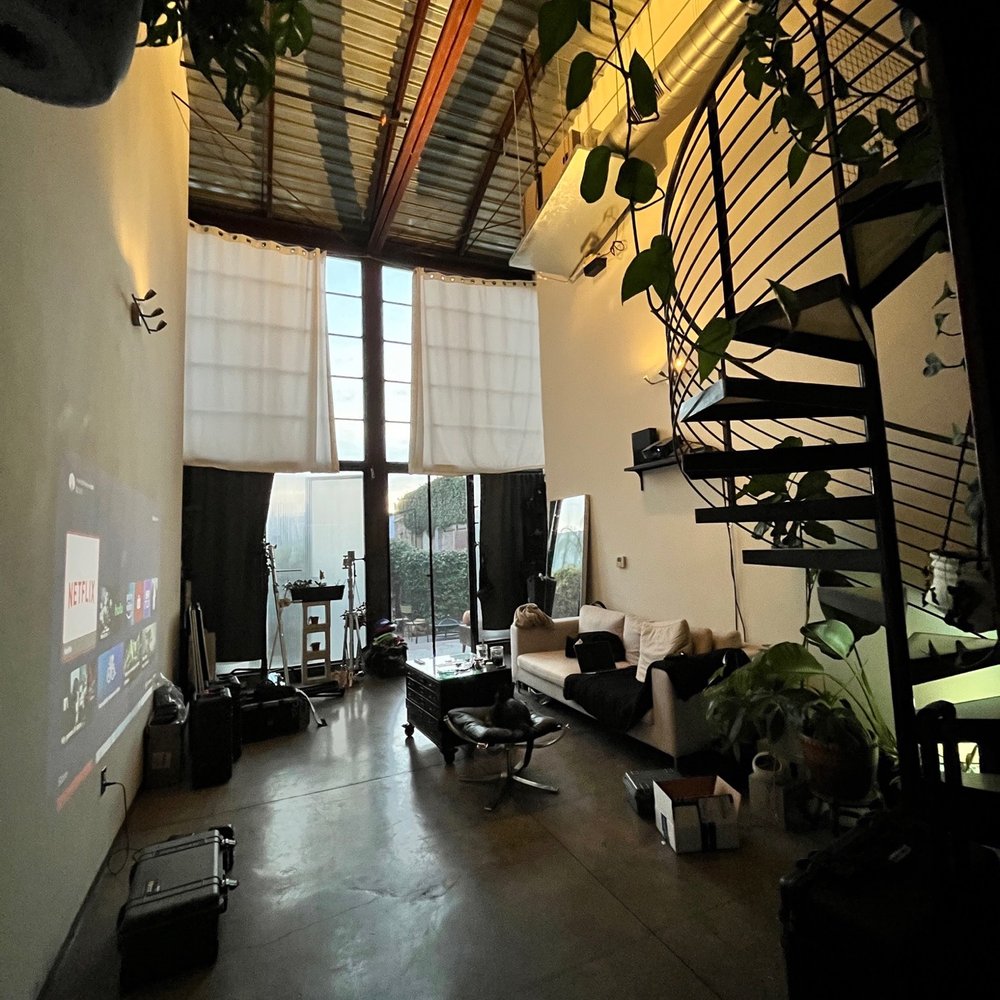
More of our clients are asking the same question: can I live and run my business from the same address? Between the rise of remote work, the growth of the Downtown Las Vegas Arts District, and small business owners looking to cut overhead, live/work living has become one of the fastest-growing lifestyle requests we hear at Premier Homes. But “live/work” actually covers two different situations under valley zoning rules, and knowing which one applies to you — and what it does and doesn’t allow — can save you a costly surprise down the road. Two Different Live/Work Situations The first is a formally zoned live/work unit — a property built and permitted specifically to combine a residence with a workspace. The City of Las Vegas defines it as a structure that combines a low-intensity nonresidential work space with an integrated residential space, with the residential space subordinate and accessory to the nonresidential use. You’ll find the clearest example of this in the Downtown Las Vegas Arts District, where converted lofts and studios let working artists, gallery owners, and creative entrepreneurs live above or behind their own workspace. The concept traces back to a broader live/work movement that started with artists needing affordable, industrial-style space to both live and create in — part of why the district’s live/work inventory still skews toward working artists today. The second, far more common, situation is a home occupation: running an income-producing activity out of an ordinary residential home. This covers everything from consultants and online sellers to tutors and freelancers working out of a spare bedroom. It doesn’t require a special zoning designation, but it does come with its own set of city rules. What You Can Do For most home occupations, the standard the City of Las Vegas applies is straightforward: the business needs to have no impact on the neighborhood and be essentially invisible to neighbors. Desk-based, phone-based, and online businesses generally qualify without issue. Tutoring is specifically called out as allowed, with up to two students on-site at a time. In a formally zoned live/work unit, you get more latitude, since the space was designed and permitted for both uses — but you’re still bound by unit-specific limits, like how much of the floor area can be used for work versus living space. Industries That Thrive in a Live/Work Setup Some industries fit the live/work model more naturally than others, largely because they don’t need much foot traffic or physical inventory. Creative and artistic businesses are the classic example, and the reason the Arts District exists in the first place: painters, photographers, graphic designers, and muralists all do work that’s largely self-contained and easy to tuck into a home studio or loft. Professional and consulting services also fit well, since consultants, bookkeepers, insurance agents, real estate agents, and marketing or IT consultants mostly meet clients by phone, video, or off-site rather than at the front door. Online retail and e-commerce sellers — Etsy shop owners and small resellers who ship product rather than host walk-in customers — are another strong fit, provided storage and shipping activity stay within home occupation limits. Tutoring and coaching businesses line up especially well with the rules, since the two-student, on-site exception was practically written for private tutors, music teachers, and test-prep coaches. And tech-based work, such as software development, virtual assistant services, and remote IT or bookkeeping support, tends to be effectively invisible to the neighbors by design, which is exactly what the city is looking for. We also regularly hear from clients outside the usual desk-and-laptop mold. Cirque du Soleil aerialists and other circus and stage performers based in the valley often want space where they can train, and coach students, in aerial arts or acrobatics, and musicians and producers frequently ask us about home recording studio setups. Both tend to need more than a standard home occupation allows, since they usually involve non-resident students or clients coming to the property to train or record. That pushes them toward what live/work planning literature calls work/live space — where more work-intensive activity and outside visitors are the point, not the exception — rather than a basic home-based business, and it often calls for a formally zoned live/work or work/live property with the right ceiling height for rigging or the soundproofing a studio needs. What You Should Not Do A handful of activities are flatly prohibited from a home occupation, no matter how low-key you try to keep them: sales of weapons, ammunition, or explosives; motor vehicle repair; and commercial food preparation. Customers and employees generally aren’t allowed to come to the residence at all, outside of the tutoring exception above. Running a home occupation also requires a home occupation permit (roughly a $50 fee in Las Vegas) on top of your state business license and Nevada Sales & Use Tax Permit — so it needs to be set up properly before you open your doors, even when those doors are your own front door. And don’t stop at city rules: if you’re in an HOA community, which describes a large share of the Las Vegas and Henderson valley, the HOA’s covenants can be stricter than the city’s, especially around signage, parking, and customer or delivery traffic. Henderson runs its own business licensing process as well, since requirements shift depending on which city, or unincorporated Clark County, your address falls in. One Thing to Watch For: Residential Reversion One dynamic worth knowing before you buy: live/work developments, especially newer “lifestyle loft” condo projects, have a well-documented tendency toward residential reversion — drifting back to purely residential use over time, even when the units were originally built and marketed as live/work. That doesn’t make them a bad buy, but it does mean the workspace on paper isn’t a guarantee of an active work community around you five or ten years from now. If keeping the ability to run a business from your unit long-term matters to you, it’s worth asking how a building or HOA has actually evolved, not just how it was originally zoned. Setting Up the Right Space (and Growing Out of It) The right move depends on where you are today and where your business is headed. If you’re house hunting and want to make sure a property will actually support how you plan to work from it, Premier Homes Real Estate can help you evaluate a property’s zoning, HOA rules, and layout before you buy or lease, so there are no surprises after closing. And if your home occupation has outgrown the spare bedroom — or you’re ready to lease, buy, or value dedicated commercial or live/work space — Premier Homes Business Brokerage specializes in exactly that kind of transition, helping business owners find space that fits both the work and the budget. It’s a common enough path that live/work planning literature has a name for it: the incubator cycle — a business growing from a spare bedroom, to a live/work unit, to fully dedicated commercial space. Live/work living can be one of the most efficient ways to run a small business in this valley, but only when it’s set up correctly from day one. Knowing which category you fall into, what’s allowed, and what requires a permit is the difference between a smooth setup and a code enforcement visit. Whether you’re eyeing a loft in the Arts District or trying to figure out how much room your growing business actually needs, Premier Homes Real Estate and Premier Homes Business Brokerage walk every client through exactly this kind of decision — and that’s true whether you’re closing next month or just starting to think it through. Reach out any time; we’re here for buyers, renters, and business owners across Las Vegas, Henderson, and the rest of the valley.
Read more
Last time in this series, we sent you to Boulder City to watch wild bighorn sheep graze next to a playground. This time we're heading about an hour northeast of Las Vegas to Nevada's oldest and most photographed state park — a place where the rock itself looks like it's on fire. Nevada's Original State Park, in Living Red Rock Valley of Fire State Park became Nevada's first state park back in 1935, and it's easy to see why it was worth protecting. Wind and water carved 150-million-year-old Aztec sandstone into waves, domes, arches, and beehive-shaped mounds, and at sunrise and sunset, the iron oxide in the rock glows a deep, almost animated red-orange. Ancient Puebloan petroglyphs are carved into several of the rock faces, some more than 2,000 years old. It's the kind of landscape that looks like Mars with a Nevada license plate, and it's less than an hour from the Strip. What You'll Actually Get to See Right Now One honest note for anyone planning a trip this month: several of the park's marquee hikes, including Fire Wave, White Domes, and the Seven Wonders Loop, are under a seasonal closure that runs May 15 through September 30 every year, because those exposed, shadeless trails have a real history of heat-related search and rescue calls. That doesn't mean skip the trip. Elephant Rock, Atlatl Rock's petroglyph panel, and the Rainbow Vista overlook are all short, roadside-accessible stops that stay open year-round, and the scenic drive itself is worth the visit on its own. If you want the full slot-canyon hiking experience, circle back after October 1 when the trails reopen and temperatures drop. How to Dress and Prepare Bring at least one gallon of water per person, more if you're visiting between May and September. Wear a wide-brimmed hat, sunglasses, and sunscreen, and pick closed-toe shoes with real grip. There's no food or water sold inside the park, so pack snacks and fill up before you go. Cell service is spotty to nonexistent once you're past the entrance, so download offline maps in advance. If you're coming from Las Vegas via I-15, note that the park's west entrance is closed Monday through Thursday through the end of 2026 for construction; use the east entrance on those days. Day-use entry runs $10 per vehicle for Nevada residents and $15 for out-of-state visitors. Where to Eat and Extend the Day Once you're back on pavement, drive into nearby Overton and stop at The Inside Scoop, the town's top-rated spot for ice cream, sandwiches, and small-town hospitality. It's a fitting way to cool off and stretch the day a little longer before the drive back into town, and it turns a half-day hike into a full afternoon out of the valley. The Shot Worth the Drive If you only take one photo, make it Elephant Rock: a short, easy quarter-mile walk from a marked pullout leads to a sandstone arch that genuinely looks like an elephant's head and trunk, and it's one of the best spots in the park to catch sunset. Time it for the last hour of daylight, when the rock turns deep red and you can frame the arch as a silhouette against the sky. Atlatl Rock's petroglyph platform is a solid backup if the light isn't cooperating. Why Moapa Valley Is Worth a Second Look for Buyers Valley of Fire sits right at the edge of the Moapa Valley, a rural pocket about an hour from Las Vegas that looks nothing like the rest of the metro area's real estate market. In August 2026, Overton's median home price sat around $465,000, but the bigger draw for a lot of buyers isn't the houses, it's the land: half-acre and larger lots are common and livestock-friendly, and multi-acre parcels with room to build, garden, or keep animals are realistically attainable in a way they simply aren't closer to the Strip. It's a different trade than Boulder City's capped-supply scarcity from our last post, this is more about buyers who want space, quiet, and a small-town main street, and are willing to make the drive for it. If a slower pace and more land sounds appealing, Premier Homes Real Estate can help you weigh a place like Overton against the rest of the valley and walk you through what buying acreage involves. And if you're eyeing a small storefront to catch some of the tourist traffic headed to and from the park, that's a conversation for Premier Homes Business Brokerage. We'll be back with the next stop in this series soon. Southern Nevada keeps giving us reasons to get out of town. Thinking about a move to Overton, Moapa Valley, or anywhere else in the Las Vegas region? Contact Premier Homes today — our Real Estate, Business Brokerage, and Property Management teams work together so you get the whole team's knowledge, not just one agent's.
Read more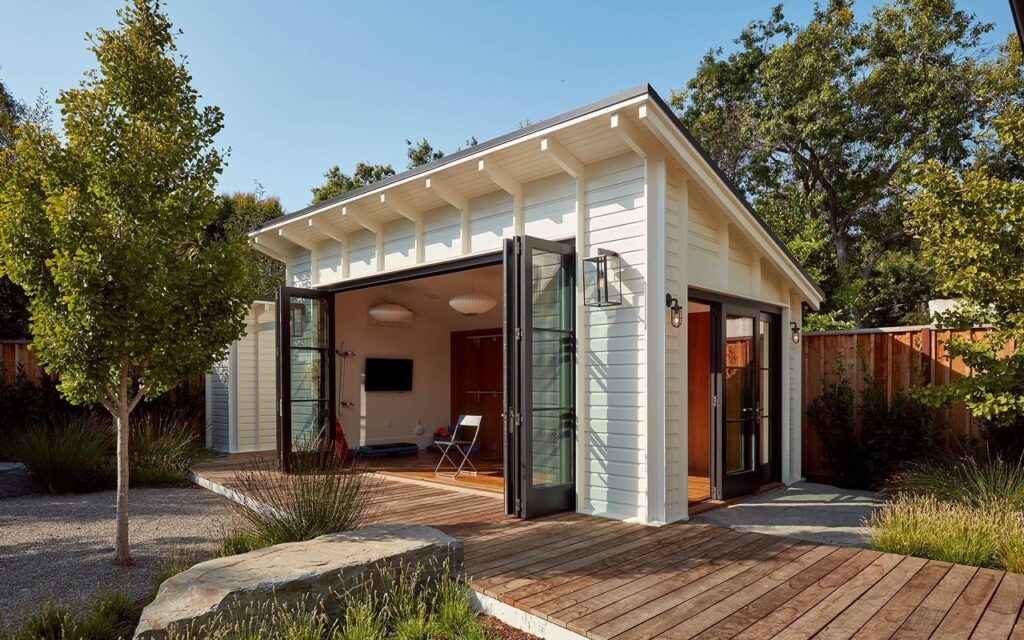
For years, adding a rentable casita to a Las Vegas or Henderson investment property meant a discretionary hearing, a large lot-size minimum, and no guarantee of approval at the end of it. That changed with Assembly Bill 396, Nevada's new statewide “casita law,” which forced cities and counties across the state to open the door to accessory dwelling units. For an investment property owner, that's a second rental income stream sitting in the backyard of a property they may already own. Here's what the law actually requires, what's changed locally, and where a popular local prefab option — Boxabl — fits in. What AB 396 Actually Requires Assembly Bill 396 requires every county with 100,000 or more residents (Clark and Washoe) and every city with 60,000 or more residents (Las Vegas, Henderson, North Las Vegas, Reno, and Sparks) to adopt an ordinance allowing accessory dwelling units on residential lots. The law sets a floor, not a ceiling, on how restrictive those local ordinances can be: they cannot ban a separate kitchen in the ADU, cannot require more than one extra parking space if existing parking already covers the need, cannot impose a side or rear setback on the ADU stricter than what applies to the primary home, and — with a narrow exception for short-term or transient rentals — cannot stop the owner from renting the unit out. Jurisdictions that missed the July 1, 2026 deadline lose the ability to restrict ADUs on residential parcels at all. Setbacks: What Changed by City Las Vegas adopted Bill No. 2026-24 (Ordinance No. 6963) on July 1, 2026, setting a 3-foot minimum setback for a detached casita with 6 feet of separation from the main house, and no setback at all where the lot backs up to an alley. Henderson's rules, under its Development Code (Section 19.9.4.B.6), set a 5-foot setback for casitas 14 feet or shorter, while taller units have to meet the same rear setback required of the primary home — 25 feet in RS-1/RS-2 zoning, 15 feet in RS-4/RS-6/RS-8. In both cities, the fully codified text is still catching up to the new ordinances in places, so it's worth confirming exact numbers with Las Vegas Planning & Zoning or Henderson's Development Services Center before finalizing a design. Does the Casita Have to Match the House? Not according to AB 396 itself — the state law is entirely silent on exterior materials, rooflines, or color, and neither Las Vegas's nor Henderson's base zoning ordinance appears to impose a blanket matching requirement either. Where it does show up is inside HOA-governed communities: AB 396 did not touch homeowner association authority, so a recorded HOA declaration can still require an Architectural Review Committee to sign off on a casita's exterior materials, roofline, and color palette, entirely independent of what the city allows. If the investment property sits inside a master-planned community, that committee is the review to check before ordering anything — not the state law. An “Instant Casita” Option: Boxabl One local option worth knowing about is Boxabl, a manufacturer headquartered in North Las Vegas that builds a 361-square-foot prefabricated studio casita — full kitchen, one bathroom — that folds flat for shipping and unfolds on site rather than being framed board by board. Pricing generally starts in the mid-$50,000s to around $60,000 before delivery and site work, with all-in costs (foundation, utility connections, delivery) commonly landing somewhere between $70,000 and $100,000 depending on the site, and financing available from roughly $900 a month. At 361 square feet, a Boxabl casita comfortably clears the size limits both cities allow, and it's exactly the kind of fast-to-install unit AB 396 was written to make easier to add. The one thing worth checking first: its exterior is a distinct, modern, boxy design — exactly the kind of detail an HOA architectural review committee may have an opinion about, worth confirming before signing a purchase agreement, for the reason above. The Investment Case For an investment property owner, a casita is the difference between one rental income and two off the same lot — the exact opportunity we walked through in our guide for out-of-state investors buying rental property in Las Vegas. Whether a specific property has the lot size, setback room, and zoning to make a casita work is worth checking before closing, not after, and once it's built, filling and managing that second unit is its own job. Nevada's new casita law opened a real opportunity for property owners in Las Vegas and Henderson, but the details — setbacks, HOA review, and matching a unit to a specific lot — still take some checking before ground breaks. This is the same guidance our team walks every investment property owner through — not just something we're writing about — and we're glad to help whether you already own a Las Vegas or Henderson rental property or are evaluating one with a casita in mind. Reach out to Premier Homes Real Estate to check whether a property qualifies, or Premier Homes Property Management to help manage the second unit once it's built.
Read more
Every August, the same thing happens: the easy pace of summer collides with alarm clocks, permission slips, and lunch boxes — and the house feels it first. Backpacks pile up by the door, the kitchen counter turns into a paperwork graveyard, and mornings that used to be relaxed suddenly feel like a countdown. Most of that back-to-school chaos isn't a parenting problem, it's a systems problem, and a few well-placed fixes around the house can take the daily friction out of the school year for the whole valley's families. The Rise of the Electronic Task Board One of the most talked-about home organization products this year is the electronic task board — a wall-mounted touchscreen replacing the dry-erase chore chart in a lot of households. Parents set up recurring chores and morning routines once, and kids check them off themselves instead of being reminded five times. Skylight Calendar is the one most families have seen on social media — built primarily as a shared calendar (starter models run around $200, larger displays $500+), with a chore chart feature layered on top, and no subscription required for core use. Hearth Display is the pricier, kid-first option ($700 plus a required subscription), built with child-development input and a points-based reward system that younger kids tend to engage with more independently. DAKboard is the DIY-friendly route, syncing with task apps like Todoist, Trello, or Google Tasks so tech-comfortable families can build their own version for less. Consumer Reports recently put four of these displays through testing — the Skylight Calendar Max, Hearth Display, Amazon Echo Show 21, and Cozyla Calendar Plus 2 — and its reviewer's main takeaway was about placement: a several-hundred-dollar display tucked away in a home office does little good, while one mounted in the kitchen, where the family actually gathers in the morning, earns its keep. If a screen isn't the right fit at all, the same idea works with a dry-erase chore chart or a magnetic checklist on the fridge — the win is having one visible, consistent place where tasks live outside of a parent's memory. Build a Launch Pad Near the Door Professional organizers consistently point to one fix as the highest-impact change a family can make: a dedicated “launch pad” near the front or garage door — a bench, a row of hooks, or a small shelf where backpacks, shoes, and coats live. An over-the-door backpack rack gets bags off the floor entirely. The habit that makes it work: everything going out the door gets loaded onto the launch pad the night before, not scrambled for in the morning. Tame the Paperwork Before It Piles Up Backpacks come home every day with flyers, permission slips, and worksheets, and without a system, that paper sits on the counter indefinitely. Empty the backpack together each afternoon, sort into “sign and return,” “recycle,” and “keep,” and reset the bag for the next day. Pair that with a small wall file or bin per child near the launch pad, and the counter stays clear. Stock a Grab-and-Go Supply Caddy You don't need a full desk setup to solve homework stalling — if you want ideas for building out an actual home workspace, we covered that in our recent post, The Home Office Reimagined: Comfort, Culture, and the Rise of the Listening Assistant. For kids, the fix is usually smaller: a portable caddy or drawer with pens, a stapler, a calculator, and scratch paper that can move to the kitchen table, a bedroom, or wherever homework actually happens. Restock it each weekend, and pair it with a planner or the same task board used for chores so older kids learn to track their own deadlines. Get Ahead of Mornings the Night Before Nearly every organizer's back-to-school advice comes back to the same principle: whatever can be decided or prepped the night before should be — clothes picked out, lunches packed or staged, backpacks by the door. A simple lunch-packing station, with a bin in the pantry and a designated fridge shelf, turns lunch-making into a five-minute task instead of a search-and-assemble project. Sync the Family Calendar Once, Not Ten Times Between practices, pickups, early-release days, and school events, the back-to-school calendar fills up fast. Whether it's a shared digital calendar or a paper one on the fridge, the goal is the same: one place everyone checks, updated once, instead of information scattered across texts and memory. Many electronic task boards double as a family calendar, which is worth checking before buying two separate tools. None of these fixes requires a renovation or a big budget — a hook by the door, a bin in the pantry, and a consistent afternoon routine do most of the work. Pick one or two to set up this week, and the rest of the school year gets noticeably calmer. It's our pleasure to pass along advice and tips like these to our former, present, and future clients throughout Las Vegas, Henderson, and the surrounding valley — whenever we learn something useful, we like to share it. Reach out to Premier Homes Real Estate or Premier Homes Property Management anytime we can help.
Read more
If you live in the desert, you already know the house doesn't heat evenly. Central air keeps the whole place at a reasonable temperature on paper, but there are always a few rooms that never quite feel right — the west-facing bedroom that turns into an oven by 4 p.m., or the garage you've turned into a gym or workshop that your central system was never designed to touch in the first place. This is exactly the gap a ductless mini-split is built to fill, and it's worth understanding what it actually fixes, what it doesn't, and whether pairing it with solar makes sense before you commit. The bedroom that bakes all summer In most desert homes, heat gain isn't evenly distributed. A bedroom with a west-facing window absorbs direct sun for hours in the late afternoon and evening, right when the rest of the house is trying to cool down for the night. Central air handles this by running longer and harder, which cools the whole house to compensate for one hot room — that's expensive, and it still may not get that specific bedroom comfortable without overcooling everywhere else. A mini-split solves this by treating that room as its own zone. You set it to whatever temperature makes the room comfortable, independent of the rest of the house, and it only runs when and where it's needed. For a room that's consistently the problem child of your cooling system, this is usually the single best fix — better than upsizing your central system, and far cheaper than trying to re-insulate or re-window the whole house to solve one room's problem. The garage that's now a gym or workshop This is the other classic case, and it's a different problem than the bedroom. Garages typically aren't on the central system's ductwork at all — they were built to store cars, not to be occupied space. Once you turn one into a home gym, a workshop, or a studio, you're asking a room with little to no insulation, a large uninsulated door, and zero conditioning to somehow be usable in July. Extending your central ductwork out to the garage is usually impractical (the garage is often on a different air path, structurally separated, or too far from the air handler) and even if you can do it, feeding a barely-insulated space off your main system means your central unit works harder to condition a room that leaks heat constantly. A dedicated mini-split solves this cleanly: one outdoor condenser, one indoor head in the garage, sized for that specific space. You get a room you can actually use in August without your whole HVAC system paying the tax for it. Does a mini-split solve "all" the problems with a desert home? It solves a specific category of problem very well — uneven heat gain and unconditioned rooms — but it's not a cure-all, and it's worth being honest about that before you spend the money. What it fixes: hot spots from sun exposure, rooms with no ductwork, garages and additions, and the general inefficiency of cooling an entire house to fix one room's problem. What it doesn't fix: poor insulation, single-pane windows, attic heat gain, or an aging central system that's already struggling elsewhere in the house. If your west-facing bedroom bakes because there's no attic insulation above it, a mini-split will still cool the room, but it'll be working overtime against a building envelope problem that a mini-split alone can't solve. In some cases, air sealing, attic insulation, or better window film gets you more comfort per dollar than adding equipment — and doing both together is often the real answer, not one or the other. The negatives worth knowing about A few tradeoffs are worth weighing honestly: Upfront cost. A single-zone mini-split typically runs a few thousand dollars installed, and multi-zone systems (multiple indoor heads off one outdoor unit) cost more per zone than you might expect. It's not the cheapest way to cool a single room, just the most effective one for a room central air can't reach well. Visible equipment. Unless you go with a ducted concealed unit or a ceiling cassette (both more expensive), you're looking at a wall-mounted indoor head, which some homeowners find aesthetically intrusive. It's a real design tradeoff, not just a minor detail. Maintenance is now split across two systems. You've added a second piece of HVAC equipment with its own filters, refrigerant, and eventual service needs — one more thing to maintain, and one more outdoor condenser taking up space and adding noise outside. Outdoor unit placement in desert heat. Mini-split condensers work harder in extreme ambient heat, same as any AC condenser, so placement (shade, airflow, distance from reflective surfaces like stucco or gravel) actually matters for efficiency and unit longevity in a way it might not in a milder climate. It adds electrical load, not removes it. A mini-split is efficient, but it's still new electrical demand on top of whatever your central system already draws. It doesn't replace your existing cooling costs — it adds a new cooling zone with its own draw, ideally while letting your central system work less overall. Should you add solar at the same time? This is a good instinct, but the financial case has shifted, so it's worth understanding where things actually stand before assuming it's a straightforward pairing. As of 2026, the 30% federal residential solar tax credit (the one homeowners have relied on for over a decade) ended for systems purchased and owned outright — it applied only through systems placed in service by December 31, 2025, under the One Big Beautiful Bill Act. If you buy and own a home solar system now, you're not getting that federal credit anymore. Third-party-owned arrangements like solar leases or power purchase agreements (PPAs) may still route through a different, commercial-side credit that the leasing company claims rather than you, so if solar is still financially attractive to you, that structure is worth asking a solar installer about directly — but the economics are meaningfully different than they were even a year ago. State-level incentives, utility net metering programs, and local rebates still vary a lot by state, so what's true in Arizona or Nevada may not match Texas or California, and it's worth checking what your specific state and utility currently offer before assuming solar pays for itself the way it used to. Practically speaking, adding a mini-split and adding solar don't need to happen at the same time, and there's a reasonable case for sequencing them. Get the mini-split installed, run it for a season, and look at the actual increase on your electric bill — that gives you real numbers instead of estimates when you sit down to size a solar system. If you install solar first based on guesswork about future loads, you risk undersizing or oversizing the system for what you actually end up using. Doing it in that order also means you're financing one thing at a time instead of stacking two large expenses into a single decision, especially now that the tax credit isn't there to offset the solar side. The bottom line A mini-split is genuinely one of the best fixes for the specific problem of "one room won't cool no matter what I do," whether that's a sun-baked bedroom or a garage that's become a second living space. It's not a fix for a poorly insulated house, and it does add real electrical load rather than eliminating it. Solar can help offset that load, but the federal incentive picture changed in 2026, so it's worth running the numbers with current information rather than assuming the math that used to work still does — and there's a solid argument for getting the mini-split's real energy impact on paper before deciding how big a solar system you'd actually need. Sources on the 2026 federal solar tax credit changes: The Federal Solar Tax Credit: What's New in 2026 (SolarReviews) The Federal Solar Tax Credit is changing: What homeowners need to know before 2026 (Enphase) Solar Tax Credit 2026: How Homeowners Still Get 30% via Lease/PPA + State (NuWatt) Has the Federal Solar Tax Credit Expired? 2026 ITC Status Update (SwapToSolar)
Read more