



For years, the retirement playbook said the same thing: once the kids move out, you move down. Smaller house, smaller yard, fewer rooms to heat and cool. But that script is being rewritten. A growing number of retirees and pre-retirees are doing the opposite — trading their old house for a bigger one, not a smaller one. And for anyone considering a Las Vegas or Henderson property as a home away from home or a gathering spot for the whole family, that shift is worth paying attention to — especially now that Las Vegas has another draw stacking on top of the usual sunshine, dining, and entertainment: it is quickly becoming one of the country's genuine sports cities. The National Trend: Bigger, Not Smaller A recent Builder analysis, drawing on research from Zonda, lays out just how far this has moved from anecdote to data. Back in 2015, a Merrill Lynch and Age Wave study, “Home in Retirement: More Freedom, New Choices,” found that 30% of recent retirees moved into a larger home, compared to only 19% who moved into something the same size. That lines up with how people 55 and older are positioned today. Census Bureau housing data puts homeownership among adults 65 and up at 78.6% as of the second quarter of 2026 (75.1% for ages 55–64), and Federal Reserve figures for the first quarter of 2026 show Americans aged 55 to 69 holding 41.2% of U.S. household wealth, with those 70 and older controlling another 32.7%. That is a lot of equity sitting in the hands of people who are choosing, not just needing, their next home. Floor plan sales tell the same story from the builder side. Data from Houseplans.com, cited in the analysis, shows accessibility and aging-in-place plans rising from 10.3% of sales in 2019 to 20.5% so far in 2026, plans built around multigenerational living climbing from 4% to 12.2%, first-floor primary suites up from 58.6% to 68.4%, main-floor bed-and-bath layouts up from 39.7% to 54.9%, and guest suites nearly tripling from 3.9% to 11%. None of those are small moves — they represent a real shift in what buyers are asking builders for. Not Every Retiree — But a Growing Number Peter Dennehy, a principal at Zonda who focuses on 55-plus housing, is careful to frame this correctly. “Traditionally, it was, you retire from your job, and you immediately sell your family house because your kids were gone, and you moved down to a three- or four-bedroom house on a golf course in Florida,” he says. “And that narrative doesn't necessarily suit today's retirees.” At the same time, he's clear this isn't universal: “I don't know that we want to emphasize that every boomer or every retiring person has all the cash in the world to do that. But a lot of people do, because they have benefited from home equity buildup over the last five or six years. Since the pandemic, they've saved up their money.” Dennehy describes these buyers as discretionary — choosing a home based on how they want to live in retirement, not simply staying put because of a low mortgage rate. Zonda's Baby Chaser Index finds roughly a quarter of boomers plan to retire near their children or grandchildren, and Age Wave's 2023 “The New Age of Aging” research found 71% of adults 65 and older believe their best years are happening now or still ahead of them — a mindset that shows up directly in what they're willing to spend on a home. Kristen Kiefer, executive director of Generations United, a national nonprofit focused on intergenerational living, describes the mindset behind these moves this way: “For many older adults, the decision is no longer simply about downsizing or remaining in the family home. It is increasingly about choosing housing that can adapt to changing needs, relationships, and responsibilities across generations.” She adds that “the most successful homes balance togetherness with independence, allowing family members to remain connected while maintaining privacy and autonomy,” — which is really a description of what a bigger, well-laid-out home away from home is built to do. Las Vegas Is Becoming a Genuine Sports City Layer a second trend on top of the upsizing story, and Las Vegas starts to look like an obvious answer for buyers thinking about a home base for family visits: the city is fast becoming a legitimate professional sports town, not just a tourism town with a couple of arenas. The Vegas Golden Knights, an expansion franchise that took the ice less than a decade ago, already have a Stanley Cup championship, and owner Bill Foley launched a formal bid in June 2026 to bring an NBA franchise to T-Mobile Arena, after the NBA's Board of Governors voted in March 2026 to formally explore expansion. “Las Vegas has earned its place among great sports cities in America, and an NBA team belongs here,” Foley said. That's on top of the Raiders at Allegiant Stadium, the Athletics' $2 billion ballpark on track for a 2028 opening on the former Tropicana site on the Strip, and Formula 1, which extended its Las Vegas Grand Prix contract through 2037 in a new ten-year deal. For a family scattered across a few states, that is a real reason to plan trips around Las Vegas rather than just through it — a Golden Knights or Raiders game, an F1 weekend, or eventually a ballgame at the new stadium, built around a home base that's actually big enough to host everyone who wants to come along. Add Nearly Year-Round Sunshine, Entertainment, and Dining Pair the sports calendar with what already draws people to the valley — close to 300 sunny days a year, a Strip and downtown dining and entertainment scene that keeps expanding, and easy direct flights from most major U.S. cities — and a larger Las Vegas or Henderson home stops looking like an indulgence and starts looking like a genuinely useful asset. It's a place people will actually want to fly in for, more than once a year, which changes the math on how much space is worth having. New Construction Communities Built for the Way Families Live Now Builders have noticed the same shift that the national data shows. Communities we work in regularly — Desert Mesa at Aries, Lake Las Vegas, and Union Village — are exactly where this shows up: floor plans with flexible bonus rooms, semi-private living areas, casitas and connected suites, and enough storage and gathering space to host a full house without anyone feeling cramped. These are not the retirement floor plans of a decade ago — they are built for a family that wants one home to do several jobs at once: full-time residence, seasonal getaway, and standing gathering spot, all at once. What Buyers Should Know Before They Tour a Model Home If a Las Vegas home away from home is on your radar and you live elsewhere, there are two things worth knowing before you ever set foot on a builder's lot. First, our new home specialist works with out-of-state and remote buyers as a specialty — coordinating directly and indirectly with builders, using video tours and DocuSign so you rarely need to be on-site for paperwork, and visiting the construction site in person consistently to check progress and flag concerns before they become problems. Second, and this is important: you need to bring your Premier Homes Real Estate agent with you on your very first visit to any new home builder's sales office or model home tour. New home builders generally will not add a buyer's agent after that first visit — representation has to be registered at the door, on day one, or you lose the ability to have your own agent represent your interests in the transaction. Plan for this before you ever schedule a model home tour, not after. Whether the goal is a true retirement home, a seasonal escape from colder weather, or a standing gathering place for a family spread across a few states, the same practical questions apply: how much space do you actually need for the way your family gathers, which communities are building for that today rather than the downsizing playbook of the past, and how much more fun is that gathering place once there's an F1 weekend or a Golden Knights playoff run to build a trip around? The sports calendar and the entertainment scene are also worth a mention to anyone eyeing the valley from the business side — the growth around these new venues is opening real opportunities for restaurant, retail, and hospitality concepts, which is where Premier Homes Business Brokerage spends a lot of its time. There's another layer to the upsizing story we haven't touched on yet, and it deserves its own post: for a lot of families, more space isn't about a vacation home at all — it's about aging parents who need to be close by, or grown kids who haven't quite launched yet and are expected to pull their weight under the same roof. That's Part 2. Thinking about upsizing into a Las Vegas or Henderson home — whether it's a future retirement plan, a seasonal home away from home, or a gathering spot for family visits? This is the same guidance we walk every client through, whether you're actively touring model homes this month or just starting to plan. Reach out to Premier Homes Real Estate any time; if you'll need someone keeping an eye on the property while you're away, Premier Homes Property Management can help with that too; and if the sports and entertainment boom has you thinking about a business opportunity in the valley, Premier Homes Business Brokerage is a resource as well. We're here for the whole valley, from Las Vegas to Henderson, whenever you're ready.
Read more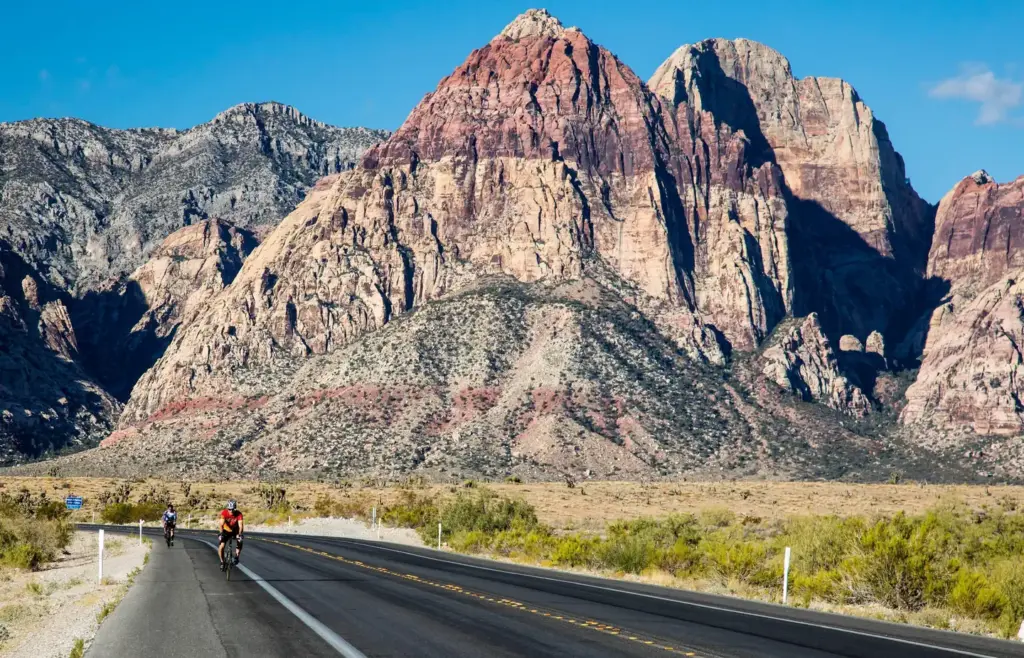
It's Friday, which means it's time for another Have You Seen? close-visit — our running series on the spots around Las Vegas and Henderson that are easy to drive past and hard to forget once you've actually stopped. This week we're heading just west of the Strip to one of the valley's true backyard wonders: the 13-mile Scenic Drive at Red Rock Canyon National Conservation Area. If you haven't looped it yet — or haven't been back since before the reservation system started — here's what to expect. A Loop Built Around 180-Million-Year-Old Rock The Scenic Drive is a one-way, 13-mile paved loop through the heart of the conservation area, about 17 miles west of the Strip via West Charleston Boulevard and State Route 159 — roughly a 30-minute drive from the resort corridor. Budget one to two hours if you plan to stop at the overlooks, longer if a hike pulls you off the road. The draw is the geology as much as the drive itself. The red-and-tan banding across the cliffs comes from ancient sand dunes — Aztec sandstone, roughly 180 million years old — stained by iron oxide over time. Farther along the loop, the Keystone Thrust Fault puts older gray limestone directly on top of younger red sandstone, one of the more visible examples of a thrust fault anywhere in the country. Where to Stop A few stops worth the brakes, in order around the loop: Calico Hills — the red-orange sandstone formations that show up on every postcard of the park, with trailhead access for scrambling. Sandstone Quarry — the trailhead for Calico Tanks and Turtlehead Peak, and a look at blocks of stone still bearing tool marks from a quarry operation that ran from 1905 to 1912. High Point Overlook — the highest stop on the drive, with views back across the Calico Hills. Ice Box Canyon — a narrow, shaded canyon cutting into the Spring Mountains, noticeably cooler than the open desert around it. Pine Creek Canyon — steep walls on both sides and one of the more dramatic overlooks on the back half of the loop. Get the Shot If you only stop for one photo, make it Red Rock Overlook, the pull-off on SR-159 right where the loop rejoins the highway. It's outside the fee area, so no reservation or entrance fee needed just to grab the shot, and it hands you the full sweep of the escarpment in one frame. Go late in the day if you can — the sandstone turns a much deeper red as the sun drops, which is why sunset is the busiest (and best) time there. Just mind the traffic pulling in and out. Make It a Whole Outing Save room to stretch the trip past the drive itself. Right at the loop's exit in the village of Blue Diamond, Cottonwood Station is the only sit-down restaurant actually inside Red Rock Canyon, with an outdoor patio looking straight back at the cliffs you just drove past. It's a casual American menu — burgers, paninis, salads, a full breakfast until 11am — and a good excuse to turn a two-hour loop into a half-day outing. Know Before You Go The Scenic Drive requires a timed-entry reservation for vehicles between 8am and 5pm, every day from October 1 through May 31 — including fee-free days. Reservations are booked through Recreation.gov or by calling (877) 444-6777. If you hold an annual or lifetime pass, you'll still need the timed-entry reservation — just select your pass type at checkout so you aren't charged twice. Arriving before 8am or after 5pm skips the reservation requirement entirely, and it's a nice way to catch the light on the Calico Hills. Current entrance fees run $20 per vehicle, $10 per motorcycle, $8 per bicycle, and $5 per pedestrian for a one-day pass; a Red Rock annual pass is $50. The Visitor Center is open 8am–4:30pm daily, and the Scenic Drive itself keeps seasonal hours — 6am–5pm November through February, 6am–7pm in March and October, and 6am–8pm April through September. Why It's Worth Knowing If You Live Nearby For clients we work with in Summerlin and across Southwest Las Vegas, Red Rock Canyon isn't a once-a-year tourist stop — it's the view out the back window and the trailhead five minutes from the driveway. That kind of proximity to open, protected land is genuinely rare this close to a major city, and it's a detail worth weighing alongside schools, commute, and floor plan when you're comparing neighborhoods on that side of the valley. The Takeaway Whether you're planning a Saturday drive or thinking about what it would mean to live within sight of those cliffs every day, Red Rock Canyon is one of the best reasons the western valley keeps pulling people in. Thinking about a move to Summerlin, Southwest Las Vegas, or anywhere else in the valley with Red Rock in view? Premier Homes Real Estate knows these neighborhoods block by block — reach out any time and we'll help you find a home near the views you love, whether you're buying, selling, or just starting to look around Las Vegas and Henderson.
Read more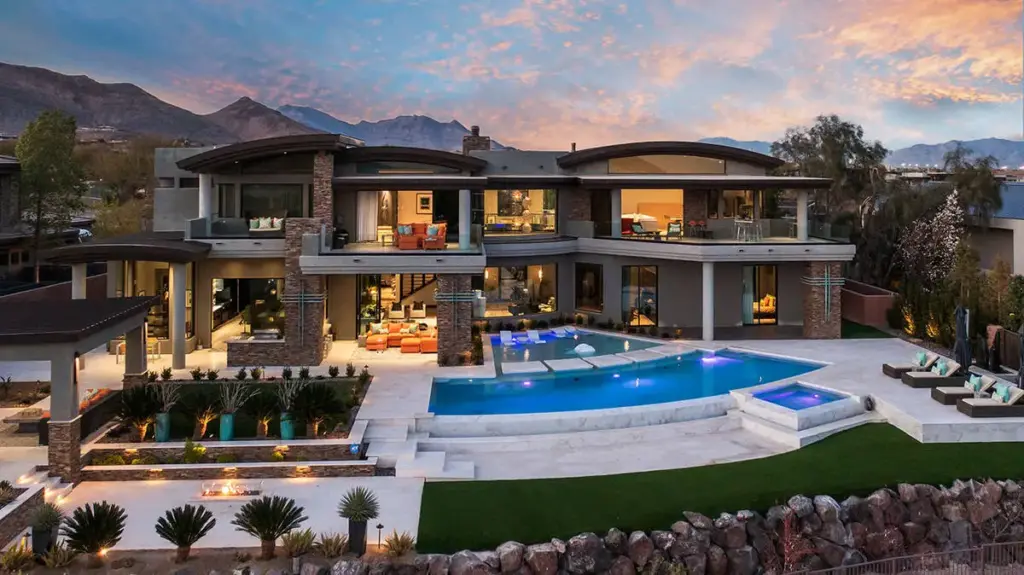
If you're getting ready to list in Las Vegas, Henderson, or anywhere else in the valley and you want the fastest possible sale at the best possible price, the research is remarkably consistent on what actually moves the needle. In the National Association of REALTORS® 2025 Profile of Home Staging, 91% of agents said decluttering was the single most valuable thing a seller can do before listing, followed by cleaning (88%) and improving curb appeal (77%). None of that requires a full renovation. Below is our rundown of the moves that reliably pay off, ordered from cheapest to most expensive, so you can start where your budget allows and keep going as far as it makes sense. 1. Declutter and Depersonalize — Free This is the one every agent agrees on, and it costs nothing but time. Clear countertops, thin out closets to about half-full so they photograph as spacious, pack away family photos and collections, and box up anything you won't need in the next few months. Buyers need to picture their own life in the space, and a house full of someone else's belongings makes that harder. It's the highest-leverage item on this list precisely because it's free. 2. Rent a Storage Unit for the Overflow — About $120 a Month Once you've decluttered, the boxes, extra furniture, and off-season items need somewhere to go besides the garage (which buyers will also open). A standard 10′×10′ storage unit runs around $120 a month nationally, though it swings quite a bit by city, so it's worth a quick call to a couple of local facilities. A smaller unit for a condo or townhome will run less. Think of it as a short-term rental on square footage that makes every room in your actual listing show bigger. 3. Deep Clean the Whole House, Especially What Buyers Touch and See Up Close — $230 to $600 Cleaning ranked as the second most-recommended prep step in the NAR staging report, and it's the category most sellers underestimate. This is where steam cleaning earns its keep: tile and grout backsplashes, stovetops and oven interiors, range hoods, and ceiling fan blades all hold visible grime that a regular wipe-down won't touch, and buyers notice it during a walkthrough even when they can't articulate why a kitchen feels “off.” A professional deep clean for an average-size home runs roughly $230 to $600, and a move-out-level clean on a larger home can reach $500. If you'd rather do it yourself, a rental steam cleaner for the day is a fraction of that and covers backsplashes, fans, and appliances in an afternoon. 4. Refresh the Curb Appeal — A Few Hundred Dollars Curb appeal was the third most common recommendation in the NAR report, and in our desert climate, it's often as simple as a weekend of maintenance rather than a redesign: pressure wash the driveway and walkway, trim overgrown bushes, refresh the front bed with new rock or mulch, and touch up the front door and trim paint. First impressions form in the driveway, before a buyer ever crosses the threshold, so this is money that shows up immediately in showing feedback. 5. Paint the Rooms That Show the Most Wear — A Few Hundred to a Few Thousand Dollars Scuffed walls and dated colors read as deferred maintenance even when nothing is actually wrong. A neutral repaint of the entry, living areas, and any bold accent walls is one of the most consistently recommended prep items among agents, and pricing scales with square footage, so you can paint just the rooms that need it most, or the whole interior if the budget allows, and stop wherever makes sense for your timeline. 6. Swap Dated Hardware and Light Fixtures — A Few Hundred to $1,000 New cabinet pulls, faucets, and light fixtures are a low-cost way to make a kitchen or bathroom feel current without touching the layout or the cabinets themselves. It's a project most sellers can do over a weekend, and it photographs well, which matters since most buyers see your listing photos before they ever see the house. 7. Replace the Garage Door — About $4,300 This one surprises people: a new garage door is consistently the single highest-returning project a seller can make. The 2026 Cost vs. Value data puts it at roughly $4,300 installed with about $8,300 in added value — close to 190% of the cost recouped, better than any kitchen or bathroom remodel on the list. It's the largest visible surface on most home exteriors, and buyers register it before they register almost anything else about curb appeal. 8. Bring in a Professional Stager — $1,500 and Up Staging is where the numbers get compelling: 83% of buyers' agents in the NAR report said staging helped buyers picture themselves living in the home, and nearly half of sellers' agents said it shortened time on market, with some reporting a meaningfully faster sale. On price, 29% of agents reported staging drove a 1% to 10% increase in offers. Costs vary widely depending on whether you're staging a vacant home or working with what you already have, but it's the step most directly tied to a faster, higher offer, which is exactly what a quick-sale seller is optimizing for. A Word on the Old Cookie-in-the-Oven Trick Since we're on the subject of staging, here's a bit of real estate folklore worth a laugh: for years, new agents were taught to pop something fragrant in the oven right before an open house — a tray of cookies, a loaf of bread — on the theory that a warm, cozy smell sells a home as well as any staged sofa. It's not bad advice in theory. The trouble is that an open house is also the exact moment an agent is busiest: greeting buyers, answering questions, keeping track of who's wandered into which bedroom. More than one well-meaning realtor has gotten so wrapped up in hosting that the goodwill gesture in the oven turned into a smoke alarm and a lingering smell of char instead of cinnamon. If you like the idea, a warm cup of coffee, a lit candle, or a diffuser gets you most of the coziness with none of the fire-department risk. 9. A Minor Kitchen Refresh — $25,000 and Up (For Sellers With More Runway) If your timeline and budget allow for one bigger project, a minor kitchen remodel — refaced or repainted cabinets, new countertops, updated appliances, without moving plumbing or gutting the layout — recoups close to 95% of its cost on average nationally, among the better returns of any major renovation. It's the most expensive item on this list by far, and most sellers on a quick-sale timeline won't need it, but it's worth knowing where it ranks if your kitchen is the clear weak point in an otherwise strong home. None of these steps requires a gut renovation, and you don't have to do all nine to see a difference — even working through the first three or four items puts you ahead of most listings in the valley. Just as important: not everything on this list is necessary for every home. A well-kept two-bedroom condo may need little more than a deep clean and a declutter, while a longtime family home might benefit from working further down the list. The right combination depends on your home, your timeline, and your budget, which is exactly the kind of judgment call worth talking through before you put a sign in the yard. This is the same pre-listing advice our agents walk every seller through, not a one-off blog list — and we're always glad to go further: walk your specific home with you, tell you plainly which of these steps you can skip, and give advice tailored to your situation rather than a generic checklist. So if you're weighing where to spend your prep dollars on a home in Las Vegas, Henderson, or anywhere in the surrounding valley, reach out to Premier Homes Real Estate any time, whether you're a few weeks from listing or just starting to plan.
Read more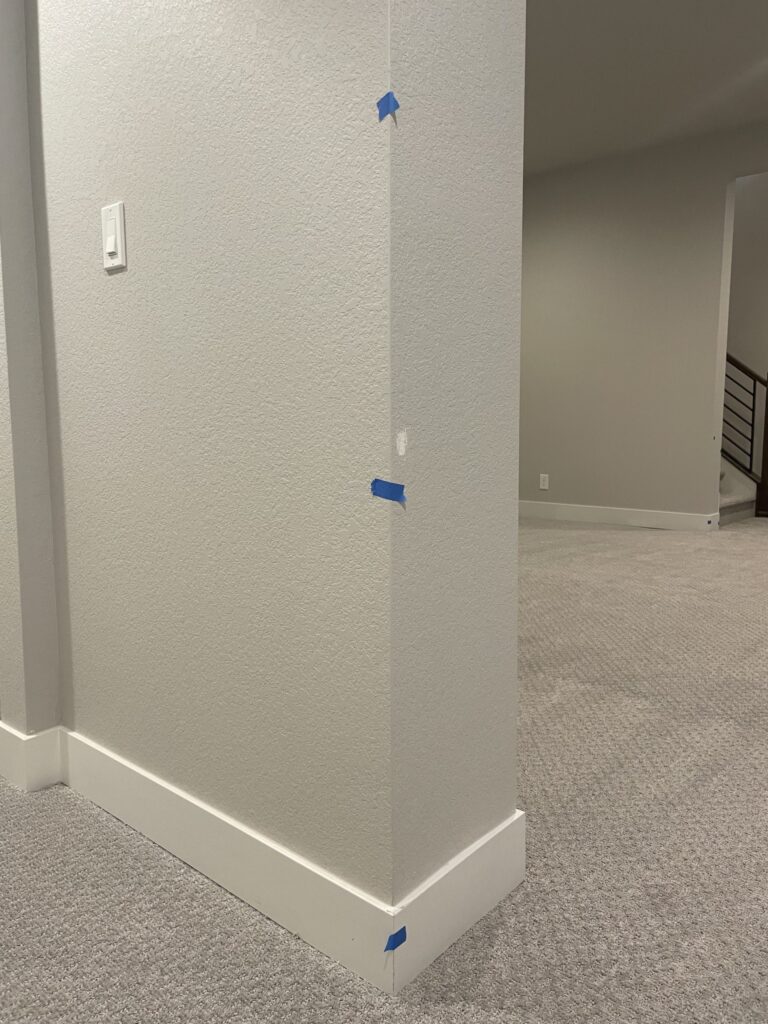
Buying a brand-new home in Las Vegas or Henderson is one of the most exciting things you can do — but it also comes with a unique set of steps that a typical resale purchase doesn't require. One of the most critical, and most overlooked, is the Dusty Shoe Inspection — also called the pre-drywall inspection. It happens at a very specific moment in the construction timeline, and if you miss it, you lose it forever. At Premier Homes, our new home specialist walks every new construction client through this process before they ever set foot on a builder's lot — because knowing what to look for, and when, is the difference between a smooth closing and a years-long headache hidden behind painted walls. Important: Register Your Agent Before Your First Builder Visit Before you visit any new home builder's sales office or model home — even just to browse — you must bring your Premier Homes Real Estate agent with you on that very first visit. Builders will not allow a buyer's agent to be registered after the initial visit. If you walk in alone first, you permanently lose your right to representation from that builder. This is one of the most important things we tell every new construction client before they start touring. What Is the Dusty Shoe Inspection? The pre-drywall inspection takes place after framing, rough-in electrical, rough-in plumbing, and HVAC ductwork are all complete — but before a single sheet of drywall is installed. At this stage, the home's skeleton is fully exposed. Every wire, every pipe, every duct run is visible and accessible for inspection. It gets its name simply from the job site conditions — it's dusty, it's active, and you'll want to wear closed-toe shoes. But don't let the rough conditions fool you: this is arguably the single most valuable walkthrough you'll do during your entire new construction purchase. Once drywall goes up, those systems are sealed inside the walls for the lifetime of the home. If there's a problem — a misrouted duct, a missing outlet, a pipe in the wrong location — finding it after drywall means cutting through finished walls to fix it. Finding it before means a quick correction before any finishing work begins. What to Bring to Your Pre-Drywall Walkthrough Come prepared — this isn't a casual stroll. Bring: A flashlight or headlamp — wall cavities and corners are dark Your phone or a camera — photograph every wall cavity before drywall covers it; these images are invaluable if you ever need to locate a wire or pipe years down the road A copy of your floor plan and all signed change orders — you're verifying that what was built matches what you paid for A tape measure — useful for confirming rough opening sizes for windows and doors An independent home inspector — the builder's inspector works for the builder; your inspector works for you. The cost is minimal compared to the protection What to Check Before Drywall Goes Up Here is a room-by-room breakdown of what to examine during your pre-drywall walkthrough: Framing Walk through every room and visually compare the framing to your floor plan. Look for cracked, warped, or missing studs, and verify that window and door openings are the correct size and properly positioned. Check that load-bearing walls are framed correctly and that no wood shows signs of moisture damage or mold — especially important in a desert climate that still sees monsoon moisture each summer. Electrical Rough-In Confirm that outlet and switch box locations match your floor plan. Verify the electrical panel location is accessible, and that all wiring is properly stapled and routed. If you ordered upgrades — extra outlets, a dedicated circuit for a home office, or an EV charger rough-in — now is the time to confirm they are in the wall, not just on a change order. Plumbing Rough-In Check that drain, waste, and vent pipe locations match the plan for every sink, toilet, shower, tub, and refrigerator ice maker line. Verify the water heater location and size match what was contracted. If you ordered a gas line for a fireplace, range, or outdoor connection, it should be roughed in now and visible. HVAC Ductwork Trace the duct runs and confirm they are going to the correct rooms. Count the supply and return vents per room against your plan. Las Vegas summers are unforgiving — a missing return vent in a bedroom or a crimped duct to a bonus room will make that space uncomfortable for years. This is the moment to catch it. Windows, Exterior Doors & Moisture Barriers If windows are installed, verify they are square, properly shimmed, and sealed at the rough opening. Confirm the house wrap or moisture barrier on all exterior walls is intact with no tears or gaps — this is your home's first line of defense against water intrusion. Document Everything — Seriously Take photos and video of every single wall cavity before drywall is installed. Photograph the electrical panel area, every plumbing rough-in, and every HVAC trunk line. Store these somewhere permanent — cloud backup, a dedicated folder, an external drive. Years from now, if you need to hang a heavy cabinet, add an outlet, or a plumber needs to locate a supply line, these photos will save you hours and potentially thousands of dollars. Any concern you identify during the walkthrough should be submitted in writing to the builder immediately. A verbal conversation on a job site is easily forgotten. A written record — email is fine — creates a paper trail that protects you. Buying New Construction From Out of State? A significant number of Premier Homes' new construction clients are purchasing from outside Nevada. Our new home specialist works with remote buyers regularly — he uses video walkthroughs and DocuSign so that out-of-state clients rarely need to be on-site. He visits construction sites consistently in person to check progress and address concerns before they become problems. If you're relocating to the Las Vegas valley and purchasing new construction remotely, this kind of on-the-ground representation is exactly what you need. What Comes Next: The Blue Tape Inspection The pre-drywall walkthrough is the first of two major buyer inspections in a new construction purchase. The second is the Blue Tape Inspection — also called the final walkthrough or punch list walk — which takes place once the home is substantially complete, typically one to two weeks before closing. That's when you and the builder's rep walk every finished room together, placing blue painter's tape on anything that needs to be corrected before you take ownership. We cover the Blue Tape Inspection in depth in a separate guide. New construction can be a phenomenal path to homeownership in Las Vegas and Henderson — the ability to choose your finishes, lock in a brand-new home warranty, and move into something no one else has lived in is hard to beat. But it requires a different kind of representation than a resale purchase, and the pre-drywall walkthrough is one of those moments where having the right agent in your corner makes all the difference. At Premier Homes, this is the exact guidance we walk every new construction client through — it's not just blog content, it's how we work with buyers every day. Whether you're just starting to explore communities in the Las Vegas and Henderson area or you're already under contract with a builder, Premier Homes Real Estate is always available to help. Reach out to our team any time — we're here when you need us.
Read more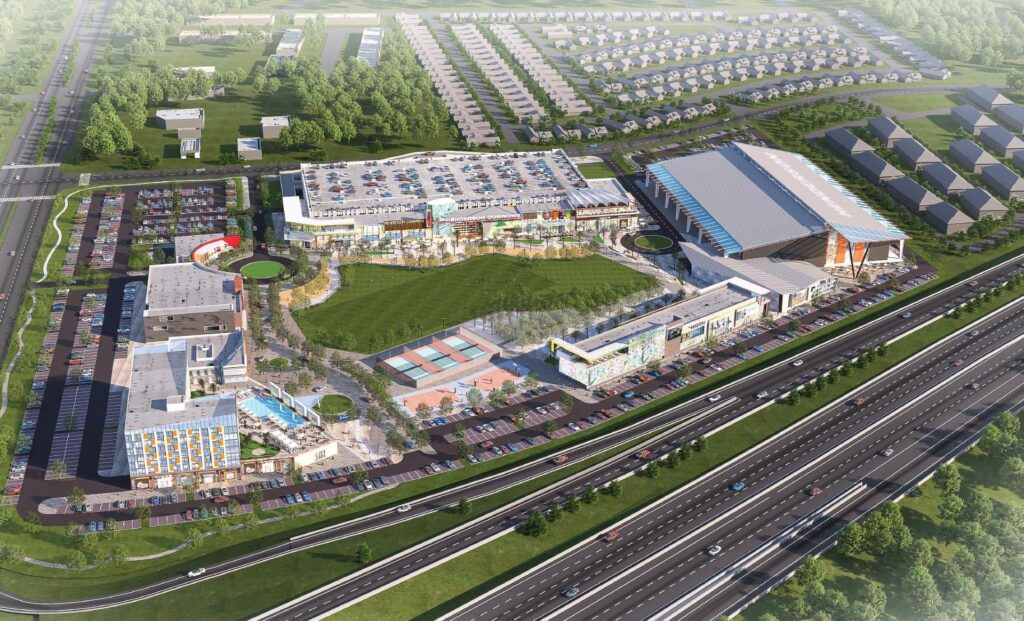
On September 8, 2026, the City of Henderson and California-based developer Agora Realty & Management announced conceptual plans to transform the long-vacant 35-acre former Fiesta Henderson site — at the intersection of I-11 and I-215 — into a mixed-use hub anchored by an indoor tournament sports complex and a 145-room hotel. For a property that's sat empty since the casino closed, and after one previous redevelopment deal fell apart, this is the most concrete step yet toward finally activating what Henderson Mayor Michelle Romero has called "the ideal gateway to the downtown Henderson area." What's on the Drawing Board According to the plans and renderings released alongside the announcement, the project calls for an indoor sports complex with more than 24 combined basketball and volleyball courts plus batting cages as its centerpiece, a multipurpose outdoor field able to host six different sports, a 145-room hotel positioned next to the sports complex, a fieldhouse and welcome center, and medical office space, a restaurant, retail shops, and additional office space rounding out the site. Agora founder and CEO Cary Lefton described the sports facility as “a major indoor tournament sports facility designed for basketball, volleyball, and other community programmed activities,” while Mayor Romero pointed to real demand behind the plan: Henderson's existing sports fields are booked out at about 99 percent, and she called new indoor facilities “extremely welcome.” A Long Road to This Announcement The city bought the 35-acre site from Station Casinos back in December 2022, then spent the years since trying to land the right development partner. A deal with Utah-based Woodbury Corp. was struck in 2024 but fell apart in early 2025, sending Henderson back through a new solicitation process that ultimately landed on Agora — which also has an active redevelopment project on the former Fiesta Rancho and Texas Station sites in North Las Vegas. Community input shaped the direction, too: in a September 2023 survey, more than 5,600 Henderson residents ranked an indoor sports facility as their top priority for the site, ahead of family entertainment, arts, and dining options. What's Still Ahead This is, for now, a conceptual plan. Both Agora's purchase of the property and the development agreement still need a public hearing and a vote from the Henderson City Council, and the city hasn't released a construction budget or a firm timeline. Cost figures for the actual buildout are, in the developer's own words, “still being hashed out.” For anyone watching the Henderson market, this corridor is worth keeping an eye on. Projects of this scale tend to shift traffic patterns, open new employment and retail centers, and often become anchors that pull further development toward them. If you're exploring a move to Henderson, or you want to understand how a project like this could shape values and demand in the surrounding neighborhoods, Premier Homes Real Estate is here to help you make sense of the Las Vegas and Henderson market — reach out any time.
Read more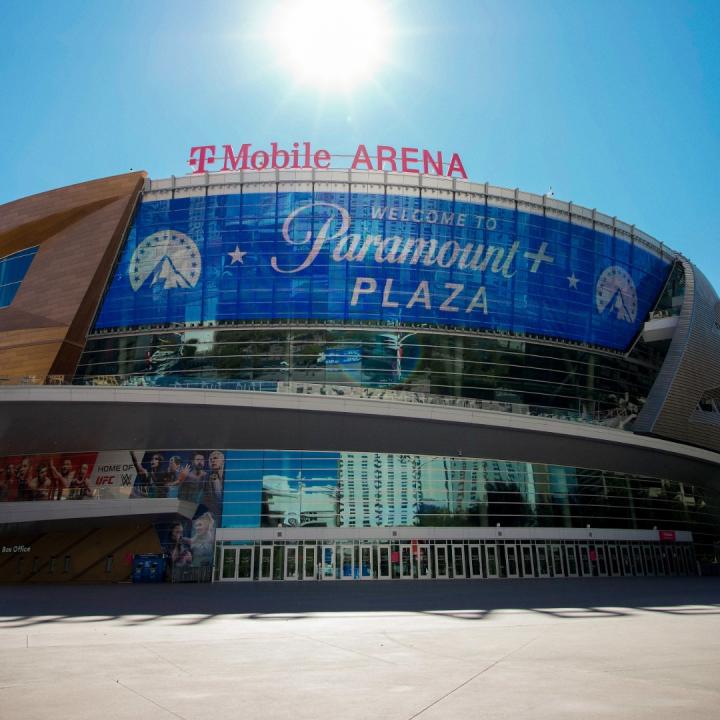
The Las Vegas Strip has always sold spectacle, but two of the biggest names in streaming are about to make that literal. Paramount just announced a permanent outdoor destination outside T-Mobile Arena, and it lands on the Strip just as CoStar reported Netflix is finalizing its own major Strip venue. For a market that has spent years watching casino operators duke it out over resort fees and residencies, this is a different kind of rivalry, and it is worth understanding as more than entertainment news. It is a real estate story about how the Strip is being used. What Paramount Just Announced Paramount+ Plaza is a two-acre, year-round outdoor space built directly outside T-Mobile Arena, debuting this month during Zuffa Boxing's Garcia vs. Benn fight week. The space is built for live events and public gatherings: large outdoor screens, a customer lounge called "The Cube" with immersive activations tied to Paramount+ shows like MobLand, and programming timed to UFC and boxing broadcasts. Paramount+ is now UFC's exclusive streaming partner, and the plaza is developed with AEG's Global Partnerships team. In short, this is a fast-moving, sports-and-live-event play built around an arena that already draws crowds. The Bigger Story: A Merger Fight and a California Exit Threat This plaza is landing at an unusually turbulent moment for Paramount. The company is in the middle of a $110 billion bid to acquire Warner Bros. Discovery, a deal that would combine its studios and streaming platform with HBO, CNN, and the DC and Harry Potter libraries. The deal is not a done one: a coalition of 12 state attorneys general, led by California, sued in July 2026 to block it on antitrust grounds, and a trial is currently set for March 2027 unless the sides settle first. In August, Paramount CEO David Ellison said he would begin relocating the company out of California starting October 1, the date a $7 million-a-day fee starts accruing to Warner Bros. Discovery shareholders if the deal remains unclosed, unless California's attorney general comes to the table on a settlement. California's AG called the threat an attempt to "blackmail the state," and no destination has been finalized. Notably, Nevada is itself one of the twelve states suing to block the deal, so this Strip plaza is best read as a marketing and content investment, not a signal about where Paramount's corporate home base is headed. Still, it is a reminder that this expansion is happening against the backdrop of a company that, a year from now, may look very different from what it does today. Netflix's Bigger, Longer Play Netflix's project is a different animal. It will be its third Netflix House location, following Philadelphia and Dallas, both of which opened in late 2025. The Las Vegas version is planned for over 100,000 square feet inside the BLVD Las Vegas shopping center at 3743-3755 S. Las Vegas Blvd., with an opening targeted for 2027. Rather than a live-event plaza, it is an enclosed, retail-anchored entertainment center: interactive experiences built around Netflix shows, Netflix Bites restaurants, mini golf, a merchandise shop, and virtual reality games. It is being built inside an existing shopping center owned by developer Eli Gindi, alongside neighbors like Puma, Adidas, and Lululemon, so this reads as a retail leasing story as much as an entertainment one. This Corner Is Also Becoming a Sports District Here is what makes this stretch worth watching even more closely: it is not just two streaming giants building next to each other. BLVD Las Vegas sits directly across Las Vegas Boulevard from T-Mobile Arena, home of the Vegas Golden Knights, and just steps from where crews are now building the Athletics' new $2 billion ballpark at Las Vegas Boulevard and Tropicana Avenue, the former Tropicana site, on track for a 2028 opening. That is a hockey arena and a baseball stadium, essentially sharing the same corner where Paramount+ Plaza and Netflix House are both landing. Add Allegiant Stadium, home of the Raiders, a short drive down I-15, and a possible fourth: one of the NBA expansion arena proposals, the Diamond Arena project, is pitched for Las Vegas Boulevard at Four Seasons Drive, just across from Mandalay Bay, though it is competing with other proposed sites, and nothing is finalized yet. Picture what that stretch of the Strip could look like on a night with a Golden Knights game, an A's game, and a Raiders game all drawing crowds within minutes of Paramount+ Plaza and Netflix House. That is the kind of overlapping foot traffic that turns a single corner into a year-round entertainment engine, and it is exactly the kind of momentum that makes nearby retail, dining, and hospitality real estate worth a second look. Same Strip, Different Real Estate Bet It is tempting to frame this as a head-to-head fight, but the two companies are not really building the same product. Paramount is renting proximity to an existing arena and live sports calendar, an outdoor, fast-to-open activation timed to fight nights and streaming premieres. Netflix is committing to a multi-year, enclosed retail buildout, the kind of project that behaves more like a mall anchor tenant than a pop-up. One is a marketing plaza; the other is closer to a destination retail center. Investors and business owners watching the Strip should read those as two distinct real estate plays, not a single trend. Is a Competitive Stretch Actually Forming? That said, the underlying instinct is the same, and that is the part worth watching. Both companies are staking permanent, physical ground on or near the Strip specifically to promote streaming content, and both are betting that Las Vegas crowds will show up for branded, immersive experiences the way they already show up for residencies and sportsbooks. Once Paramount+ Plaza is live this month and Netflix House Las Vegas opens in 2027, the Strip corridor will have two major streaming platforms running year-round programming, a short walk apart. That sets up real potential for overlapping premiere events, press days, influencer activations, and dueling promotional calendars, especially around fight nights, award season, and new show launches. Whether that becomes an outright rivalry or just parallel bets on the same tourist base, it is a meaningful new category of Strip real estate: entertainment placemaking built by media companies rather than casino operators. Why This Matters Beyond Entertainment News For anyone watching Las Vegas commercial real estate, this is a trend worth tracking. Media and streaming companies leasing and building out large-format Strip-adjacent space is a relatively new category of tenant, and it signals confidence in foot traffic and tourism demand that extends well beyond gaming, especially with a hockey arena, an incoming baseball stadium, a football stadium down the road, and a possible NBA arena all pulling event crowds toward the same corner. Our Premier Homes Business Brokerage team works with clients evaluating retail and hospitality opportunities in exactly these kinds of growth corridors, and this is the type of development we flag for clients thinking about where the valley's foot traffic and its next wave of leasing demand are headed. Whether you are watching the Strip evolve out of curiosity or you are actively evaluating property, business, or investment opportunities in Las Vegas or Henderson, Premier Homes is here to help you make sense of what these changes mean for the local market and to connect you with the right department, Real Estate, Business Brokerage, or Property Management, whenever you are ready to talk. Reach out any time.
Read more
Ask ten homeowners in Las Vegas or Henderson what they think of their HOA, and you'll get ten different answers — some grateful for a well-kept neighborhood, others frustrated by a fine letter over a trash can left out an hour too long. Homeowners associations are one of the most misunderstood parts of buying a home here, largely because most buyers never sit down and think through what an HOA actually does, how differently they can be structured, or what recourse exists when one stops working for the people it's supposed to serve. This is a longer, more detailed look at HOAs than we usually publish, because the topic deserves it — and because the decisions you make around HOAs, before and after you buy, have a real, lasting effect on your finances and your day-to-day quality of life. Why Does an HOA Matter in the First Place? At its core, an HOA is a legal entity, usually a nonprofit corporation, created to enforce a set of rules called the Covenants, Conditions & Restrictions (CC&Rs) and to maintain whatever the community owns collectively — common areas, gated entries, walking trails, community pools, sometimes even the exterior appearance of the homes themselves. In Nevada, HOAs operate under Nevada Revised Statutes Chapter 116, which governs everything from board elections to how reserve funds must be handled and disclosed. The value an HOA provides is easy to underestimate until you've lived without one. A functioning HOA keeps a neighbor from parking a work truck on the lawn for six months, keeps weeds from taking over a vacant lot, and keeps the community's curb appeal consistent enough that appraisers and buyers see it as a cohesive, well-maintained neighborhood rather than a patchwork. That consistency shows up directly in resale value. It also funds a reserve account for large, unavoidable expenses — roof replacement on a clubhouse, resurfacing private streets, repairing a community pool — so that when those bills come due, the community isn't blindsided by a massive special assessment with no funds set aside. None of this means every HOA does its job well, and we'll get to that. But the reason HOAs exist, and the reason most master-planned neighborhoods in the valley have one, is genuinely to protect the thing you're buying: not just your house, but the neighborhood around it. Single-Neighborhood HOA or a Master-Planned Community With Layered HOAs — Which Is Better? This is one of the most common questions we get from buyers who are new to the Las Vegas valley, and the honest answer is: it depends on what you're optimizing for. Let's break down both structures. The single-HOA neighborhood. Many subdivisions across the valley have one HOA that handles everything for that specific neighborhood — landscaping of common areas, gate maintenance if there is one, architectural review, and rule enforcement. Dues are usually lower than what you'd pay in a large master-planned community, the governance is simpler (one board, one set of CC&Rs, one budget), and it's generally easier to understand exactly what you're paying for and why. The tradeoff is fewer shared amenities — you likely won't have community centers, resort-style pools, or miles of maintained trails unless your specific neighborhood built them. The master-planned community with a master HOA and a sub-HOA. Communities like Summerlin, Cadence, Inspirada, and Skye Canyon are structured differently. A master HOA governs the amenities and infrastructure that serve the entire master-planned community — regional parks, trail systems, community centers, major boulevards and landscaping. Your individual neighborhood within that larger community then has its own sub-HOA (sometimes called a sub-association) that handles the closer-to-home items: your specific streets, smaller pocket parks, and architectural approval for your particular product type. You end up paying two sets of dues, sitting under two sets of governing documents, and potentially dealing with two boards if something goes wrong. So which is better? For buyers who want resort-style amenities, a strong sense of community identity, and don't mind paying more for it, the master-planned structure tends to deliver more value per dollar in trails, parks, and community programming than a single neighborhood could fund on its own. For buyers who want to keep costs down and prefer straightforward governance with fewer moving parts, a single-HOA neighborhood is usually the better fit. Neither is objectively superior — it's a question of what you're actually going to use and how much complexity you're willing to live with. One important note for anyone considering a newer section of a master-planned community: if you plan to tour builder model homes or visit a builder's sales office, you need to bring your Premier Realty agent with you on that very first visit. New home builders will not add buyer representation after the fact — if your agent isn't registered with the builder at that first visit, the builder won't recognize the representation, and you lose the benefit of having an advocate on your side of the transaction. This catches buyers off guard more than almost anything else in the new-construction process, and it's worth knowing before you ever set foot on a builder's lot. One of our agents spent years working the builder side of new-home sales before joining our team, and he now represents buyers exclusively — walking them through builder contracts, upgrade pricing, and incentive fine print that's easy to misread if you haven't seen it from the builder's side of the table. Should Homeowners Be Active Participants in Their HOA? Yes, and this is where we see the most avoidable regret. An HOA board is made up of volunteer homeowners, elected by whichever residents actually show up to vote. In a lot of communities, turnout for board elections and annual meetings is low — sometimes just enough to hit quorum. That means decisions about your dues, your reserve fund, your rule enforcement, and your special assessments are often being made by a small, self-selecting group of neighbors, for better or worse. Being an active participant doesn't have to mean running for the board, although more homeowners doing exactly that would probably improve a lot of HOAs. At a minimum, it means reading your CC&Rs and bylaws when you move in, rather than filing them away unread, showing up to the annual meeting, reading board meeting minutes when they're published, and voting in board elections. If your community sends out a proposed budget or a special assessment vote, read it before you approve or reject it. Homeowners who engage early tend to catch problems — a rushed budget, a vague rule change, a board quietly building in extra fees — long before those problems turn into the kind of dispute that ends up costing real money or going to mediation. Ideas to Bring to Your HOA to Make Community Living More Fun Participation doesn't have to mean showing up to argue about budgets and fence heights. Some of the most engaged, best-loved HOAs got there because a homeowner brought a genuinely fun idea to a board meeting, and the board said yes. If you want your neighbors to actually show up — and want your community to feel like more than a set of rules — here are some ideas worth pitching: A seasonal block party or a National Night Out event, using the clubhouse or a common area that everyone already has access to. Food truck nights in the community parking lot, rotating vendors month to month. A holiday lighting or yard decorating contest, with small prizes and a homeowner-voted winner. A private neighborhood group chat or app for informal updates, lost-pet alerts, and borrowing a ladder from three doors down. A coordinated, community-wide garage sale day, advertised together so it draws more traffic than any one household could alone. Outdoor movie nights at the pool or park using a rented screen and projector. A welcome committee that greets new homeowners with a small gift and a rundown of what the neighborhood actually offers. Volunteer clean-up or beautification days, followed by a cookout — a good way to fund a shared project without a special assessment. Walking groups, fitness classes, or a community garden using green space that the HOA already maintains. Youth sports leagues or a summer day camp using courts and parks that the community already has. None of these requires a big budget, and most boards are more receptive to this kind of proposal than homeowners expect — it's an easy way for a board to show it's listening, and it tends to be the single best way to get more residents to actually attend meetings and care about who's on the board. What If the HOA Becomes a Nightmare? How Do You Fix It? It happens. A board oversteps its authority, enforces rules selectively, mismanages the reserve fund, or simply stops communicating with residents. If you're in that situation, you're not without options, and escalation should generally follow a sequence rather than jumping straight to a lawsuit. Start with the governing documents. Boards are legally bound by the CC&Rs, bylaws, and Nevada Revised Statutes Chapter 116. If a board is enforcing a rule that isn't actually in the CC&Rs, or skipping required notice and hearing procedures before issuing fines, that's a documented violation you can challenge in writing, on the record. Request records and put concerns in writing. Nevada homeowners have a right to request HOA financial records and meeting minutes. A paper trail matters — verbal complaints get forgotten, written ones create a record you can point to later if the dispute escalates. Use Nevada's Ombudsman for Owners in Common-Interest Communities. This is a state office that exists specifically for HOA disputes, and most homeowners don't know it's available. It offers mediation and, if that fails, arbitration — both considerably cheaper and faster than filing a lawsuit. For disputes over fines, rule enforcement, or board conduct, this is usually the right next step before hiring an attorney. Organize with your neighbors. A board that ignores one homeowner's complaint tends to take notice when a dozen homeowners raise the same issue at a meeting, or when enough residents show up to a recall election. Since boards only reflect the residents willing to serve on them, running for a seat yourself — or recruiting a neighbor who will — is often the most durable long-term fix, not just a workaround for the current dispute. Bring in an attorney for serious cases. If you're dealing with financial mismanagement, a board that's ignoring state law outright, or a dispute that mediation hasn't resolved, an attorney who specializes in Nevada HOA law can help homeowners force compliance, and in some cases, petition for board removal. A Note for Investors and Landlords If you own — or are considering buying — a rental property inside an HOA community, read the rental restrictions in the CC&Rs closely before you close. Some HOAs cap the percentage of homes that can be rented out at any given time, require landlords to register tenants, or limit lease terms. Getting this wrong can mean you're unable to rent out a property you were counting on as an investment. Our property management specialists help investors work through exactly this — reviewing HOA rental caps before purchase, handling tenant screening and rent pricing once you own, and staying on top of HOA compliance so a violation notice never becomes a surprise. An HOA can be one of the strongest reasons a neighborhood holds its value for decades, or a genuine source of frustration when it's poorly run or ignored by the very homeowners it's meant to serve. The difference almost always comes down to engagement — both the board's and yours. Whether you're weighing a single-HOA neighborhood against a master-planned community, trying to understand your rights in a dispute with your current HOA, or evaluating a rental property's HOA restrictions before you buy, our team meets regularly to compare notes across the whole valley, so you get the benefit of everyone's experience, not just one agent's. Reach out to Premier Realty — we work with buyers, sellers, and investors across Las Vegas, Henderson, and the surrounding valley, and we're happy to walk you through any HOA question before you sign anything.
Read more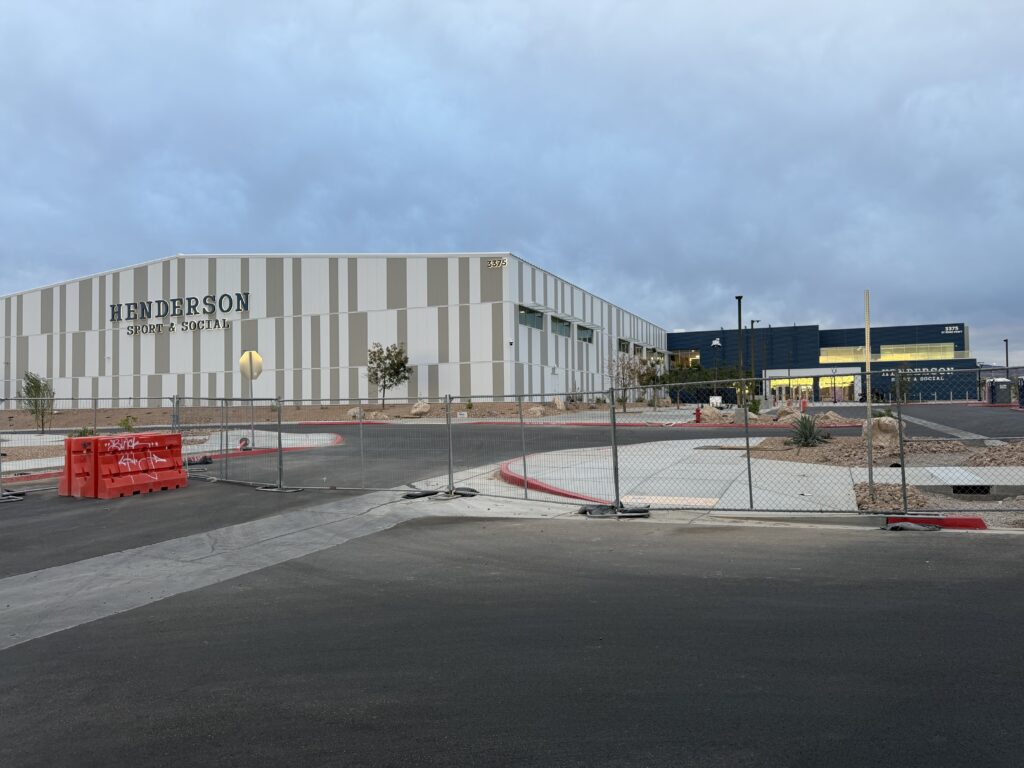
Henderson is about to get a lot more competitive for weekend plans. Next month, the city and KemperSports will open Henderson Sport & Social, a 180,000-square-foot sports and entertainment complex at 3375 St. Rose Parkway. It's the kind of amenity that doesn't just change where families spend a Saturday afternoon — it changes how buyers, renters, and business owners think about the surrounding neighborhood, and that's worth a closer look. A Public-Private Deal, Not a Typical City Rec Center The $70 million price tag is split between a $60 million contribution from the City of Henderson and $10 million from KemperSports, the private operator the city has brought on to run the facility long-term. The city owns the asset and put up most of the capital, but KemperSports is the one managing day-to-day operations, staffing, programming, and the restaurant and bar — bringing the food-and-beverage and recreation-management expertise a city parks department typically doesn't have in-house. That's the structural difference from a standard municipal rec center: instead of Henderson absorbing the annual operating costs itself, a private operator runs the building and generates the revenue to cover those costs, while residents still get a public benefit built into the deal — a 20% discount on memberships and programming. General Manager Jeff Swanlund summed up the logic directly: a traditional city-funded rec center costs taxpayers money every year, but layering in additional amenities is what makes the economics work. The facility opens in phases: a first event on October 1, a public soft opening October 5, and a full grand opening October 16 headlined by the Border League's Wooten Classic 150, an ESPN-televised high school basketball tournament expected to draw more than 2,000 players and spectators. What's Inside The complex is built to stay busy year-round. Sports facilities include four full-size indoor basketball courts that convert into eight volleyball courts, plus two hybrid turf fields for soccer and flag football. A full gym runs extended hours (6 a.m. to 11 p.m. on weekdays, 6 a.m. to 1 a.m. on weekends), with memberships starting at $55 and a 20% discount for Henderson residents. A separate 30,000-square-foot entertainment wing adds 20 bowling lanes, an arcade, laser tag, mini golf, a full-service restaurant and bar, event spaces for groups of 25 to 75, and an on-site day care center. Weekend tournament slots are already sold out through the end of 2026, and the facility is still hiring roughly 100 of the 200 staff it needs to run at full capacity. Does This Close Henderson's Park-Access Gap? Henderson does have a long-standing park-access target, though it's tighter than the one-mile figure that sometimes circulates: the city's actual goal, in place since the 1990s growth boom, is a park, trail, or recreation amenity within a half-mile of most homes, as Mayor Andy Hafen has described it. Henderson had reached that mark for roughly 70% of residents by the mid-2010s, and more recent scoring — the city's Parks and Recreation Master Plan cites the Trust for Public Land's ParkScore index — puts about 74% of residents within a 10-minute walk of a park as of 2024. Does Henderson Sport & Social move that number? Probably not directly. The half-mile standard is built around neighborhood-level parks, trails, and greenspace people can walk to — it's a walkability metric. Henderson Sport & Social is a single large-format regional complex on St. Rose Parkway that most residents will drive to, not stroll over from home, so it isn't the type of amenity that ParkScore or the city's walk-to-a-park tally typically counts. What it does add is a different tier of recreation investment on top of that network — a $70 million anchor for youth sports, leagues, and events in a fast-growing part of the city — which matters for the area's profile even if it isn't the same thing as closing the walkability gap. Why It Matters for Henderson Real Estate Amenities like this tend to raise the profile of everything around them regardless of walk score. St. Rose Parkway sits close to several of the communities we work in most, including Lake Las Vegas and Union Village, and a facility of this scale — sold-out tournaments, a televised opening event, year-round programming — is the kind of draw that keeps a corridor in demand. For buyers weighing new construction nearby, such as Desert Mesa at Aries, it's one more reason the area is worth a serious look, alongside the schools, commute times, and builder incentives we'd normally walk through together. One reminder for anyone shopping new construction near this corridor: bring your Premier Homes Real Estate agent with you on your very first visit to a builder's sales office or model home. Builders won't add buyer representation after that first visit — if your agent isn't registered with the builder from day one, you lose that representation for the rest of the transaction. It's a rule worth knowing before you ever set foot on a builder's lot, not just before you sign a contract. Opportunity for Local Business & Renters A complex expecting steady weekend crowds and sold-out tournaments creates ripple effects beyond the facility itself. Restaurants, retail concepts, and service businesses along St. Rose Parkway stand to benefit from the foot traffic, and it's worth a conversation with Premier Homes Business Brokerage about whether a space near this corridor fits a growth plan. On the residential side, a new anchor amenity like this often firms up rental demand nearby, which is exactly the kind of shift our Premier Homes Property Management team tracks for clients who own investment property in the area. Henderson Sport & Social is one facility, but between the public-private funding model and its place alongside the city's broader park network, it's a good example of how Henderson actually invests in its neighborhoods — and that kind of investment tends to show up in home values, rental demand, and business activity for years afterward. It's the kind of local development our three departments discuss together, so clients get the full picture instead of just one piece of it. Curious what a project like Henderson Sport & Social could mean for your home value, your search for a new construction community, or a business space near St. Rose Parkway? Reach out to Premier Homes Real Estate, Premier Homes Business Brokerage, or Premier Homes Property Management — we work across Las Vegas, Henderson, and the surrounding valley, and this is the same on-the-ground insight we share with every client, whether you're actively buying, selling, or renting or simply keeping an eye on the market.
Read more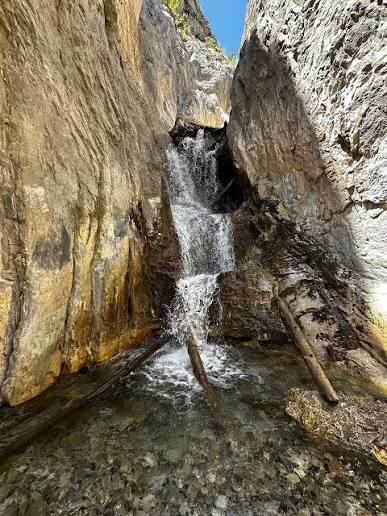
If it's August and you're reading this from the Las Vegas Valley, you already know why this stop in the series exists: it's hot, and Mount Charleston is the fastest way out of it. Less than an hour from the Strip, the Spring Mountains climb to nearly 12,000 feet, and the temperature drops roughly 20 to 30 degrees the higher you go. This time, we're sending you to a genuine waterfall, in the desert, thirty minutes from a slot machine. A Real Waterfall in the Spring Mountains Little Falls is a spring-fed, 30-to-50-foot waterfall tucked into a narrow limestone box canyon off the Cathedral Rock Trailhead in Kyle Canyon. Unlike a lot of Southern Nevada's seasonal flows, this one runs reliably even in the dry months, which is exactly why it's worth the drive. The short spur trail winds through a shaded canyon with pine and fir overhead, a genuinely different world than the desert floor forty minutes back down the mountain. What You'll Actually Get to Hike Right Now A quick and important note: several of Mount Charleston's best-known trails were damaged by Tropical Storm Hilary back in 2023, and recovery has moved trail by trail rather than all at once. Cathedral Rock Trail itself reopened in May 2025 after nearly two years of repair work. Mary Jane Falls Trail and Trail Canyon Trail are still closed, with the Forest Service targeting a fall 2027 reopening for Mary Jane Falls once a rerouted trail and rebuilt parking area are finished. None of that affects this trip, though: the Cathedral Rock Trailhead has stayed open throughout, and it's the access point for both Little Falls and the South Loop Trail. The out-and-back to Little Falls runs about 1.5 miles round trip with roughly 300 feet of elevation gain, an easy-to-moderate hike that includes a bit of scrambling over smooth logs and rock near the falls. Trail status on this mountain shifts throughout the year, so it's worth a quick check of the Forest Service's current conditions and closures page the morning you head up. How to Dress and Prepare Pack layers even in August, the mountain runs 20 to 30 degrees cooler than the valley floor, and afternoon monsoon storms are common in summer, so aim for a morning start. Wear closed-toe shoes with a good grip for the log scrambles near the falls, which get slick when wet. Bring water and sun protection, even though you're in the trees, elevation still means stronger UV exposure. Stage One fire restrictions are currently in effect on the mountain, so campfires are only permitted in developed fire pits and grills. Cell coverage is inconsistent past the trailhead, so download a map ahead of time. Where to Eat and Extend the Day Skip the old Mt. Charleston Lodge for now; it burned in a 2021 fire, and its rebuild is still under construction with no reopening date yet. Instead, make a loop of it: drive the scenic 20 minutes over Deer Creek Highway to Lee Canyon and grab a burger at Bighorn Grill, open Friday through Sunday, 10 a.m. to 5 p.m., with a patio looking out over the ski resort. It's a fitting way to close out a series that started with a literal bighorn sheep herd and a canyon full of their petroglyphs, now capped off with a restaurant named after them. The Shot Worth the Hike Little Falls itself is the shot: frame it from the canyon floor looking up through the narrow limestone walls, with the water catching whatever light filters down through the pines. It photographs well even at midday, since the canyon stays mostly shaded, which is rare for anything in this series so far. Why Kyle Canyon Is Its Own Kind of Market Kyle Canyon's housing stock doesn't look like anything else in the Las Vegas valley: A-frame and log cabins, custom mountain homes, and full-time residences scattered through a community surrounded almost entirely by the Humboldt-Toiyabe National Forest. Prices range from A-frames starting around $400,000 up past $1.5 million for larger custom builds, and because there's essentially no room left to build, that limited inventory tends to hold its value well. A lot of buyers here aren't looking for a primary residence at all; they're buying a second home or a vacation rental specifically to escape valley heat the way we did today, and cabins here stay in demand with renters for exactly that reason. If a mountain cabin sounds like the right kind of real estate diversification, Premier Homes Real Estate can walk you through what buying in a national forest gateway community involves. And if you're thinking about the rental income side of a Kyle Canyon property rather than living there yourself, Premier Homes Property Management can help you figure out what that actually looks like. That's four stops into this series, from a city park herd to a canyon full of their ancestors' artwork to the mountain that gets you away from all of it. We'll keep finding reasons to leave the valley. Thinking about a move to Mount Charleston, the Las Vegas valley, or anywhere in between? Contact Premier Homes today — our Real Estate, Business Brokerage, and Property Management teams work together so you get the whole team's knowledge, not just one agent's.
Read more
Clark County has a new answer to a problem every buyer in this valley has felt: entry-level homes keep getting bought up by relocators with bigger budgets, and longtime Las Vegas and Henderson families are getting squeezed out of the low end of the market. According to Nevada Current, the county's new community land trust is aiming to keep entry-level product priced in the low $300,000s for the long term — not just for the first buyer, but for every buyer who comes after. How the Welcome Home Community Land Trust Works The Welcome Home Community Land Trust separates the home from the land underneath it. Buyers purchase and mortgage the house itself, while the county retains ownership of the land through a long-term ground lease. Stripping land cost out of the sale price is what lets the county hold prices in the low $300,000s at a time when the median price for an existing single-family home in the valley is pushing toward $489,000. Commissioner Marilyn Kirkpatrick, who has championed the program, has been direct that it isn't meant to build wealth for a lucky first buyer — it's meant to stay attainable for the next family in line, and the one after that. The first development, Rebecca Place, sits off Tropical Parkway near Rainbow Road in northwest Las Vegas — 30 homes between roughly 1,900 and 2,100 square feet, on lots over 8,000 square feet, with three-car garages. Eligibility is limited to first-time buyers under income caps (roughly 80–100% of area median income), and the county is structuring mortgages to land around a third of household income. Groundbreaking happened in December 2025, with the first move-ins targeted before the end of 2026 — and more than 800 households were on the interest list before applications even opened. A second, larger phase called Cactus Trails is planned for roughly 200 units on former federal land the county acquired for $1 an acre. The Question We Think Deserves More Attention A lower price tag solves one problem. It doesn't automatically solve the others that come with where a home sits. Public reporting on Rebecca Place notes a park across the street and a school next door, which is a genuinely good sign — but we haven't seen the county's plan speak directly to bus service and transit access, or to whether police, fire, and EMS response times and staffing are being scaled up alongside the rooftops. That gap matters more, not less, for the buyers this program is built for: a family stretching to make a mortgage payment equal to a third of their income is also the family least able to absorb the cost of a second car because transit doesn't reach the neighborhood, or the risk of slower emergency response on the edge of the valley. It's worth asking that question even more pointedly about Cactus Trails. Land that was cheap enough for the county to acquire for a dollar an acre from the federal government is, by definition, land that was sitting undeveloped at the edge of the valley — exactly where transit routes are thinnest and fire and police coverage tends to lag population growth rather than lead it. Building 200 affordable homes on that kind of parcel is a real win for supply. Whether the county is pairing it with a real commitment to transit, roads, and public-safety staffing — or simply filling in cheaper rooftops and leaving services to catch up later — isn't something the coverage we've seen has answered yet. It's a fair question for prospective buyers to raise directly at the mandatory homebuyer education classes the county requires before you can apply. What It Means If You're Shopping in the Low $300Ks If you qualify and the numbers work, a program like this can be a legitimate path into homeownership in a valley where that path has narrowed. Just price out the whole picture before you commit: what a longer commute or thin transit access does to your monthly budget, what your homeowners insurance looks like if you're further from a fire station, and how the resale and equity restrictions (the program is designed around modest, not windfall, equity) fit your longer-term plans. One more note for anyone comparing this against new construction on the open market elsewhere in the valley: because Rebecca Place and Cactus Trails are run directly through the county's housing office rather than a builder's sales team, the usual rule doesn't apply the same way here — but if you're also touring builder communities, remember that builders will only recognize your agent if they're with you on that very first visit to the sales office, not added afterward. An attainable price is the headline, and it's a real one. But the families this program is designed to help deserve the full picture — schools and parks, yes, but also the bus line, the ambulance response time, and the police patrol that make a house into a neighborhood. You don't have to wait on a lottery number or the county's timeline to start moving toward a home in this price range. Premier Homes Real Estate can start that search with you today — on the open market, in Las Vegas and Henderson neighborhoods that already have the transit access, school proximity, and public-safety coverage you'd want to confirm before signing up for any new community. This is the same due diligence we walk every client through, not just a blog observation, and we're glad to help whether you end up applying to the Welcome Home Community Land Trust, buying elsewhere, or simply want to compare your options.
Read more